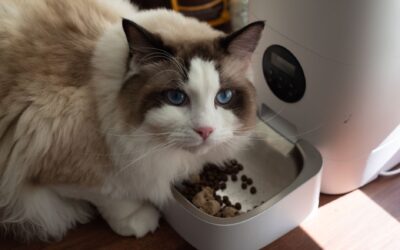

Yes, automatic feeders can be good for dogs when used correctly, but they are not the right choice for every pet. Automatic feeders provide consistent portions and schedules, which can help with weight management and digestion. However, they may not be suitable for dogs with specific medical conditions or behavioral issues, and they cannot replace the bonding that comes with hand feeding. Understanding the benefits and potential drawbacks is essential before deciding.
Portion Control and Weight Management
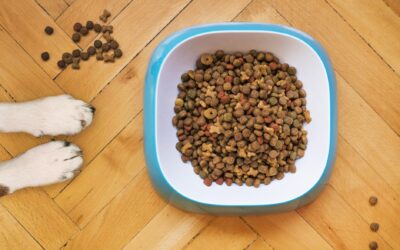
Automatic feeders dispense exact portions, preventing the risk of overfeeding. This is especially helpful for dogs that tend to gain weight easily or need strict calorie control. By programming specific amounts, you can maintain your dog’s ideal body condition without constant supervision.
However, some feeders release food too quickly, leading to gulping and potential digestive issues like bloat. If your dog eats rapidly, consider a feeder with a slow-feed feature or use a separate slow-feed bowl. Monitoring your dog’s eating speed is important.
Consistent Feeding Schedule
Dogs thrive on routine, and automatic feeders can deliver meals at the same times every day. This is especially beneficial for dogs with medical conditions such as diabetes, where timing meals is critical. A consistent schedule also helps with house training and reduces begging behavior.
Keep in mind that a scheduled feeder cannot adapt to changes in your dog’s appetite or health on a given day. You may still need to occasionally adjust feeding times manually. But for most healthy dogs, a reliable schedule improves their sense of security.
Convenience for Owners
Busy schedules often mean missed or delayed meals. An automatic feeder ensures your dog gets fed even when you are stuck in traffic or working late. This convenience reduces stress for both you and your pet, especially if your dog relies on multiple small meals per day.
Many models allow you to program multiple feedings, making them ideal for dogs that need breakfast, lunch, and dinner. However, you should still check the feeder daily to ensure it is working properly and that the food supply hasn’t run out.
Potential for Overeating and Obesity
Even with set portions, some dogs learn to break into the feeder or manipulate the dispenser to release extra food. This can lead to overeating and obesity over time. Choose a feeder with a tamper-proof lid and sturdy construction to minimize this risk.
Regularly weigh your dog and adjust portions as needed. An automatic feeder does not replace the need for you to monitor your dog’s body condition. If your dog is already overweight, consult your vet before relying solely on a feeder.
Mechanical Failure and Safety Risks
Automatic feeders are electronic devices that can malfunction. A jammed mechanism, dead battery, or power outage could result in missed meals or excessive food dispensing. Always choose a model with a battery backup and test it thoroughly before depending on it.
Inspect the feeder regularly for signs of wear, and clean it according to the manufacturer’s instructions to prevent mold and bacteria growth. Safety should always be your top priority when using any automated pet product.
Reduced Human-Dog Bonding
Feeding time is a natural opportunity for interaction and bonding. Relying on a machine may diminish that daily connection, especially if you are frequently away. Dogs that already experience separation anxiety may feel more isolated when a feeder replaces your presence.
If bonding is a concern, consider using the feeder for only some meals and hand-feeding others. The key is maintaining balance between convenience and the emotional needs of your dog.
Not Suitable for All Dogs
Dogs with medical conditions like pancreatitis, kidney disease, or those requiring precise medication timing may not benefit from automatic feeders. Always consult your veterinarian before introducing one, as some conditions require flexible feeding schedules that a machine cannot provide.
Additionally, dogs with resource guarding or extreme food motivation may become obsessed with the feeder. In such cases, a behavioral assessment is essential. Automatic feeders work best for calm, well-adjusted dogs with straightforward dietary needs.
How to Decide If an Automatic Feeder Is Right for Your Dog
- Evaluate your dog’s health and dietary needs with your veterinarian.
- Assess your dog’s behavior around food, are they obsessive or anxious?
- Choose a feeder with reliable safety features like a secure lid and battery backup.
- Test the feeder with supervision for the first few days.
- Continue to provide fresh water separately, automatic feeders do not replace water bowls.
By following these steps, you can make an informed decision. For more insights on dog feeding and care, explore our blog for additional articles.
Frequently Asked Questions
Can automatic feeders cause overfeeding?
Yes, if the portion settings are incorrect or if the dog learns to access the food storage. Always set portions based on your vet’s recommendation and monitor your dog’s weight regularly to prevent obesity.
Are automatic feeders safe for puppies?
Puppies have different feeding schedules and may need supervised meals. Automatic feeders can work if used with a puppy-safe model and set for appropriate portions, but consult your vet first to ensure it meets your puppy’s growing needs.
Can I use an automatic feeder for wet food?
Most automatic feeders are designed for dry kibble. Wet food feeders exist but require refrigeration and frequent cleaning to prevent spoilage. Not all models are suitable, so read carefully before purchasing.
Do automatic feeders help with separation anxiety?
No, they don’t address the root cause. Removing human interaction may actually worsen anxiety for some dogs. They should not be used as a substitute for proper behavior training or increased bonding time.
How do I clean an automatic feeder?
Follow the manufacturer’s instructions. Most have removable parts that can be washed with mild soap and warm water. Regular cleaning prevents mold, bacteria, and unpleasant odors from developing.
Related Guides
Conclusion
Automatic feeders can be a helpful tool for managing your dog’s meals, but they are not a one-size-fits-all solution. Evaluate your dog’s specific needs and consult professionals to make the best choice. For more guidance on dog feeding practices, visit our blog.