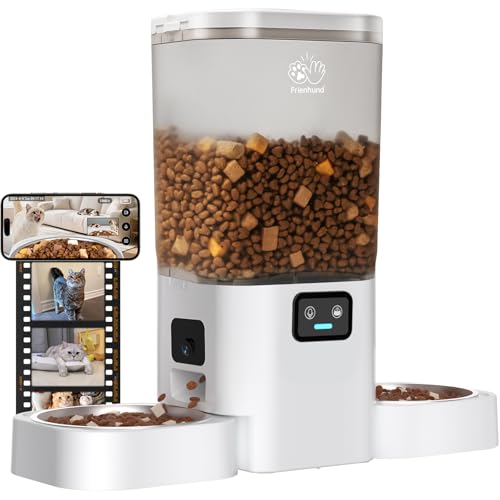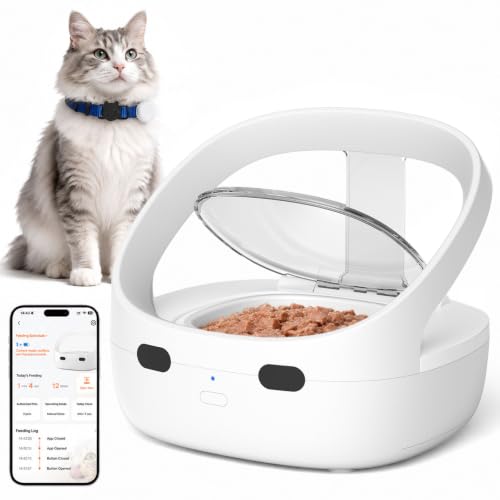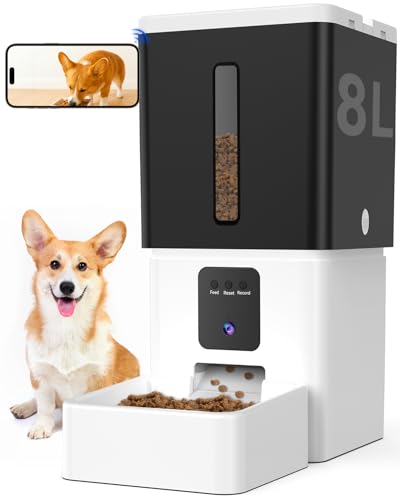

An automatic pet feeder works by using a built in timer or programmable control system to dispense a predetermined amount of food at set intervals throughout the day. Most models combine a food storage hopper, a dispensing mechanism such as a rotating drum or an auger, and a digital or mechanical timer to deliver meals when you are not home. The core concept is simple: instead of your pet eating whenever it wants, the feeder releases food only at the times you schedule.
Basic Mechanism: Gravity Feed vs Motorized Feed
The most common automatic pet feeders use gravity to drop food into a bowl. A hopper sits above a shallow tray, and as your pet eats, more food slides down by its own weight. These gravity feeders rely on no moving parts, but they cannot control portions or timing.
Motorized feeders, by contrast, use an electric motor to turn an auger or rotating drum that pushes food from the hopper into the bowl. A timer triggers the motor at programmed intervals. This design allows precise portion sizes and multiple daily meals.
Types of Automatic Pet Feeders
Automatic pet feeders fall into two main categories: gravity feeders and programmable feeders. Gravity feeders are the simplest, with no electronics, and they suit pets that need constant access to dry food. Programmable feeders use a control panel or smartphone app to set meal times and portion amounts.
Within programmable feeders, you will find models with mechanical dial timers, digital displays, and Wi Fi enabled smart feeders that integrate with voice assistants. The type you choose depends on your pet’s feeding needs and your willingness to manage batteries or power cords.
Programming and Scheduling Options
Most automatic pet feeders let you program up to four or more meals per day. You set the time of each meal and the portion size, usually by pressing buttons or using a smartphone app. Some advanced models allow you to pre record a voice message that plays before dispensing food.
Smart feeders can sync with your calendar or adjust feeding times if you are away longer than expected. The scheduling logic is straightforward: the internal clock keeps time, and when the programmed minute arrives, the motor activates for a set duration.
Power Sources and Backup Systems
Motorized feeders require electricity. Most plug into a wall outlet, but many also include a battery backup for power outages. Without a backup, a scheduled meal will be missed if the power goes out.
Gravity feeders do not need power at all, so they are an option if you want a fail safe design. However, they cannot provide timed feedings or portion control. For programmable feeders, check whether the backup batteries keep the clock running or only the dispensing function.
Food Storage and Dispensing Methods
The hopper stores dry kibble or freeze dried food. An auger, which looks like a screw, rotates to push food toward an opening. A rotating drum uses compartments that align with a chute when the motor turns. Both methods drop a measured amount into the bowl.
Some feeders include a desiccant pack inside the hopper to keep kibble fresh. The design of the dispensing opening matters: wider openings reduce the risk of jams with irregularly shaped kibble. Gravity feeders have no such moving parts, so they rarely jam.
Portion Control and Sensor Technology
Portion control in automatic pet feeders is achieved by timing the motor’s run duration or by using a rotating drum with fixed compartments. Each compartment holds a specific volume, so you know exactly how much your pet gets per meal. Some models have weight sensors that stop dispensing once a preset amount is reached.
Sensors can also detect when the bowl is empty or when a jam occurs. A jam detection feature stops the motor and alerts you via an app. Infrared sensors on some gravity feeders prevent overfilling by blocking the chute when the bowl is full.
What to Consider When Setting Up an Automatic Feeder
To get the most out of an automatic pet feeder, start by selecting the right location. Place it on a flat, dry surface away from walls to prevent food from spilling behind. Program the meals gradually, matching your pet’s usual feeding schedule.
Test the feeder for a day while you are home to watch for jams or misaligned portions. Clean the hopper and dispensing mechanism regularly to keep kibble flowing smoothly. If you use a smart feeder, keep the Wi Fi connection stable and replace backup batteries each month.
- Check the portion size by weighing a test dispense.
- Verify that the backup batteries are fresh and installed.
- Inspect the dispensing opening for any kibble dust or debris.
- Listen for unusual noises that might indicate a mechanical issue.
- Update the timer or app after daylight saving time changes.
Following these steps helps ensure your pet receives the right amount of food at the right time. For a deeper look into the different designs available, you can read our full article on automatic pet feeder types and features on the Pettech Picks blog.
Frequently Asked Questions
Can automatic pet feeders handle wet food?
Most automatic pet feeders are designed for dry kibble only. Wet food can spoil if left in the hopper for hours, and it may clog the dispensing mechanism. If you need to feed wet food, look for models with a sealed ice pack or a refrigerated compartment.
How do I prevent food from jamming in the feeder?
Jams usually happen with irregularly shaped kibble or leftover moisture. Use kibble that is small and uniform, and keep the hopper dry. Many motorized feeders include a jam detection feature that stops the motor and alerts you. Clean the auger or drum regularly.
What happens if the power goes out?
If your feeder has battery backup, it will continue to dispense meals during a power outage. Without backup, the feeder stops and you must manually feed your pet. Gravity feeders require no power, so they work regardless of electricity.
How long does the hopper last between refills?
Hopper capacity varies widely, but most hold enough dry food for several days to a few weeks. A larger hopper reduces how often you need to refill, but it also takes up more space. Check the capacity against your pet’s daily portion to estimate refill frequency.
Do automatic feeders work for multi pet households?
Some feeders have a lid that opens only when a specific microchip or collar tag is detected. This prevents other pets from stealing food. Standard feeders without this feature are best used when each pet has its own separate feeding area.
Related Guides
Closing
An automatic pet feeder simplifies meal management by combining a timer, a hopper, and a dispensing mechanism into one device. For more detailed guidance on choosing the right type for your pet, explore our blog posts on the topic.