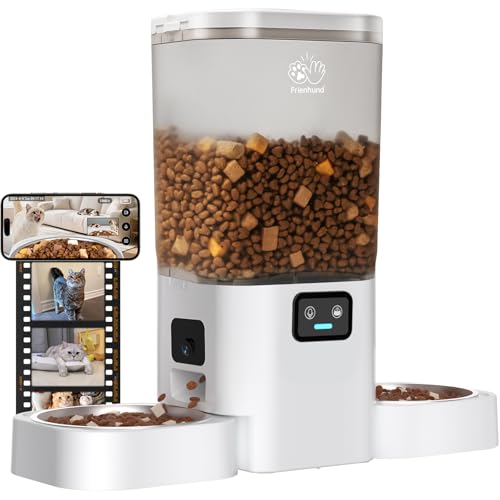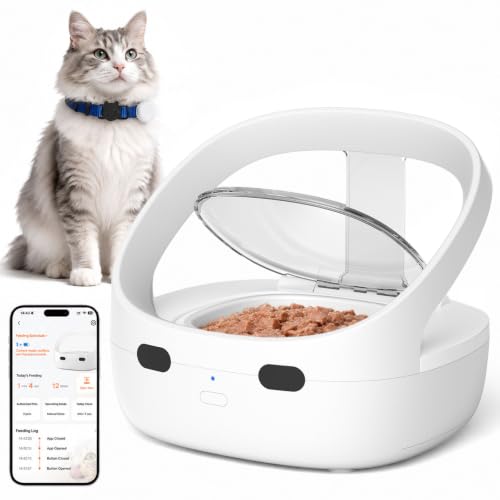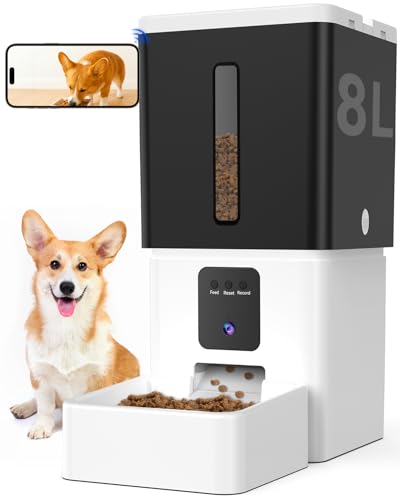

To choose an automatic pet feeder, start by assessing your pet’s feeding routine, your daily schedule, and the feeder’s reliability and safety features. Every feeder handles food differently, so matching these details to your pet’s needs prevents wasted money and keeps your pet healthy. This guide walks you through the seven most important factors so you can make an informed decision without being overwhelmed by options.
Feeding Schedule and Portion Control
The first decision is how often and how much your pet needs to eat. Automatic feeders offer scheduled meals, portion control, or both. Some allow you to program up to six meals per day, which helps pets that require small, frequent feedings.
Portion sizes matter for weight management. Look for feeders that dispense in small increments like one-eighth cup or one gram. If your pet is prone to overeating, a feeder with locked portion settings prevents accidental double meals.
Pet Size and Eating Style
Your pet’s size directly affects feeder compatibility. Small dogs and cats need smaller bowls and lower dispensing heights, while large breeds require larger hoppers and bowl capacities. A feeder that is too small may cause frustration or spillage.
Eating style also matters. Fast eaters benefit from feeders with built-in slow-down features or maze designs. For pets that paw at bowls, choose a sturdy, weighted base to prevent tipping. If you have multiple pets, some feeders include microchip or collar tag recognition to keep each pet eating from its own bowl.
Power Source and Backup Options
Most automatic feeders run on household electricity, but power outages can disrupt feeding schedules. A feeder with a battery backup ensures your pet still gets meals during a blackout. Check the backup runtime: some last several days, while others only hold a few feedings.
Battery type matters too. Standard alkaline batteries are easy to replace, while rechargeable lithium packs may offer longer life. Consider how often you want to change batteries and whether the feeder displays a low-battery warning.
Food Type Compatibility
Not every feeder handles every food type. Dry kibble is the most common, but some feeders also accommodate semi-moist or wet food. Wet food feeders often include ice packs to keep food fresh for several hours.
Kibble size is another factor. Large kibble pieces can jam in some dispensers. Look for feeders that state they handle your pet’s specific kibble diameter. For mixed diets, consider a feeder with separate compartments for different food types.
Cleaning and Maintenance
Food residue and bacteria build up quickly in feeders. Choose models with removable, dishwasher-safe bowls and hoppers. Nonstick surfaces or stainless steel parts are easier to clean than plastic and resist odors.
How often you clean depends on the feeder design. Open hoppers collect dust and should be wiped weekly. Sealed systems keep food fresher but may require disassembly for deep cleaning. Always check the manufacturer’s instructions before disassembling.
Connectivity and Smart Features
Wi-Fi enabled feeders let you schedule meals and monitor feedings from your phone. Some send notifications when food is low or a meal is served. Smart features are useful if you travel often or have irregular work hours.
However, connectivity adds complexity. App reliability, software updates, and network outages can affect performance. If you prefer simplicity, a programmable timer without Wi-Fi may be more dependable. Always read user reviews on app stability before choosing a smart model.
Safety Features to Look For
Your pet’s safety is non-negotiable. Look for feeders with jam detection that stops operation if food gets stuck, preventing motor burnout. Soft-close lids protect curious paws and noses from pinching.
BPA free materials and food grade plastics are important for long term health. Some feeders include anti scratch or non slip bases that also prevent the unit from sliding during use. Check the lock mechanisms if you have a clever pet that might try to open the lid.
How to Make Your Final Decision
- List your pet’s specific feeding needs: meal frequency, portion size, and food type.
- Measure the space where the feeder will sit to ensure it fits your kitchen or feeding area.
- Decide on required power backup based on how often you experience outages.
- Choose cleaning compatible materials that match your willingness to maintain the feeder.
- Prioritize safety features like jam detection and secure lids over extra smart functions if your pet is prone to accidents.
- Read user reviews focused on reliability and long term durability rather than just features.
Once you have narrowed down your requirements, the next step is comparing specific models. For a closer look at popular automatic feeders and their real world performance, visit our pet feeder reviews on the Pettech Picks blog.
Related Guides
Frequently Asked Questions
Can automatic feeders handle wet food reliably?
Yes, but only with feeders specifically designed for wet food. These models include ice packs to keep food fresh and removable bowls that are easy to clean. Avoid using wet food in a standard dry food feeder, as it can spoil quickly and clog the dispenser.
How long do battery backups typically last in automatic feeders?
Battery backup duration varies widely. Some feeders run for 24 to 48 hours on batteries alone, while others last several days. Always check the manufacturer’s specifications and replace batteries twice a year to ensure they are fresh.
Are smart feeders with Wi-Fi safe for my pet if the internet goes down?
Most Wi Fi feeders still operate on a preprogrammed schedule even when offline, but you lose remote control and notifications. For critical reliability, choose a feeder with a physical timer and battery backup as a fallback.
What size automatic feeder do I need for a large dog?
Large dogs require a feeder with a hopper capacity of at least 10 to 12 pounds of kibble and a bowl wide enough for their snout. Look for feeders labeled for large breeds, as they also have sturdier construction to resist tipping.
Can I use an automatic feeder for kittens or puppies?
Yes, but choose a feeder with small portion increments to match their growing needs. Avoid feeders that dispense too much at once, as young pets may overeat. Also ensure the bowl height is accessible for small animals.
Choosing an automatic feeder for your pet comes down to matching features to your pet’s unique habits and your lifestyle. Start by identifying your pet’s feeding needs, then compare those against the safety and convenience features outlined above. For model specific comparisons, head over to our dedicated pet feeder reviews to see which feeders best meet your criteria.