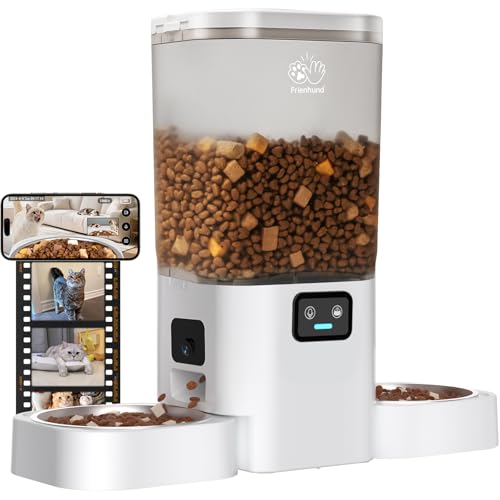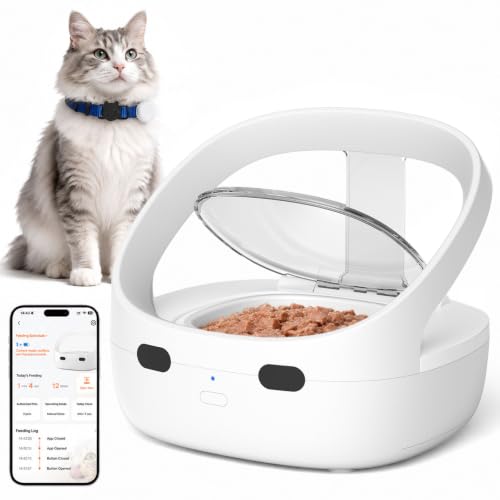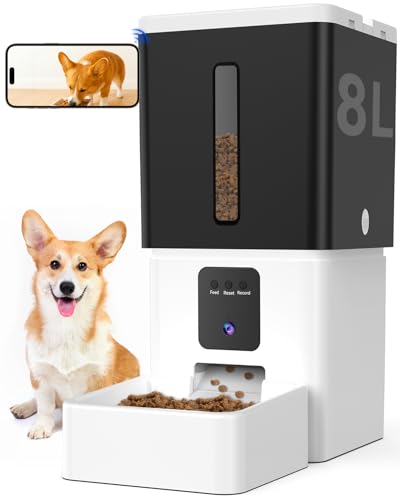

The best way to prevent automatic feeder jams is to use uniform, dry kibble and keep the feeder clean and properly assembled. Most jams happen because the kibble is too large, too oily, or has absorbed moisture, which makes it stick together in the dispenser. Regularly inspecting the auger, clearing any debris, and checking that the power supply is steady can also stop jams before they start. These steps apply to most automatic feeders for cats and dogs, regardless of brand or model.
Inconsistent Kibble Size and Shape
Kibble that varies widely in size or has irregular shapes is the most common cause of jams. When one piece is slightly larger than the opening in the auger or dispensing wheel, it can block the flow of the rest. Many budget or generic kibbles have this issue, especially if the bag is near the bottom where smaller pieces settle and larger ones are left behind.
Stick to kibble that is described as uniform or consistent in shape. Feeder manufacturers often list recommended kibble dimensions in the manual; using kibble that fits within those limits dramatically reduces jams. If you switch brands, test a small batch in the feeder first before filling the whole hopper.
Humidity and Moisture Clumping the Kibble
Kibble is dry by design, but it can absorb moisture from the air if stored in a humid environment or if the feeder is placed near a sink or dishwasher. Damp kibble becomes sticky and clumps together, easily jamming the dispensing mechanism. This is especially common in warmer months or in basements and laundry rooms.
Store the feeder in a dry area of your home, and consider adding a food-safe silica gel packet or a small desiccant pack to the hopper. Some feeders also have a sealed lid that helps keep humidity out. If you notice the kibble feels soft or smells musty, discard it and clean the feeder before refilling with fresh, dry food.
Incorrect Feeder Assembly or Auger Alignment
Many jams happen right after a cleaning or battery change because the auger, dispensing wheel, or other moving parts weren’t reassembled correctly. Even a slight misalignment can cause the mechanism to bind, preventing kibble from moving through. Some feeders have a specific position for the auger or a locking tab that must snap into place.
Always refer to the manual when reassembling the feeder. Check that the auger spins freely by hand before closing the cover. If it feels tight or catches, something is off. A quick visual check of the parts against the diagram in the manual can save you from a jam later.
Power Fluctuations or Low Battery
An automatic feeder that isn’t receiving steady power may not rotate the auger with enough force to dispense kibble properly. Weak batteries, a loose power cord, or a failing adapter can cause the motor to stall when it meets resistance from a slightly packed hopper. This often results in a jam that seems to come from nowhere.
Use fresh batteries from a reputable brand and replace them before the low-battery indicator lights up. If your feeder uses an AC adapter, ensure the connection is secure and the cord isn’t damaged. For feeders with both options, running on AC power is generally more reliable than batteries alone.
Debris Buildup in the Dispensing Mechanism
Over time, small crumbs, dust, and oils from the kibble accumulate on the auger, inside the chute, and around the dispensing wheel. This buildup creates friction and eventually causes the mechanism to stick. Jams from debris are gradual you may notice increasingly irregular portions before a full jam occurs.
Clean the dispenser thoroughly every two weeks, or more often if you use a particularly oily or dusty kibble. Remove all parts that contact food and wash them with warm, soapy water, then dry completely before reassembling. A clean mechanism is much less likely to jam.
Overfilling the Hopper
Filling the hopper to the absolute top can sometimes cause the weight of the kibble to press down too hard on the dispensing mechanism, especially in feeders with a vertical auger. This extra pressure can make the auger harder to turn, leading to a jam. It can also cause kibble near the bottom to pack tighter than expected.
Leave at least an inch of space at the top of the hopper. If your feeder has a capacity marking, respect it. Overfilling rarely happens with smaller feeders, but larger ones (holding 5 pounds or more) are more prone to this issue. A moderate fill level works best.
How to Fix and Prevent Automatic Feeder Jams
- Use kibble that is uniform in size and shape, and test new brands before committing.
- Keep the feeder in a dry location and add a desiccant pack to the hopper in humid conditions.
- Refer to the manual when reassembling after cleaning ensure the auger rotates freely.
- Replace batteries before they get low, or use the AC adapter if available.
- Clean the dispenser mechanism every two weeks to remove crumb and oil buildup.
- Do not overfill the hopper leave an inch of space at the top.
Following these steps will resolve the vast majority of jams. For more detailed guidance on specific feeder types and troubleshooting signs, the PetTechPicks blog covers maintenance tips for a variety of automatic feeders. That resource can help you identify which cause is most likely based on the symptoms you are seeing.
Related Guides
- Best Smart Feeder with Camera Reviews for 2026
- How Does an Automatic Pet Feeder Work
- How to Program an Automatic Pet Feeder
Frequently Asked Questions
Can I use any type of kibble in an automatic feeder?
Most feeders work best with dry kibble that is small and uniform in size. Large, irregular, or soft kibble can easily cause jams. Check your feeder’s manual for recommended kibble dimensions before choosing a food brand.
Why does my feeder jam only in humid weather?
Humidity causes kibble to absorb moisture, making it sticky and prone to clumping. This is especially noticeable in summer or in rooms without air conditioning. Using a desiccant pack or moving the feeder to a drier room can prevent these jams.
How often should I clean my automatic feeder to avoid jams?
Cleaning the dispensing mechanism every two weeks is a good rule of thumb. If you use oily kibble or live in a humid area, clean it weekly. A thorough cleaning removes crumb buildup that can otherwise cause gradual jams.
My feeder jams even though I just cleaned it. What else could be wrong?
Check that you reassembled the feeder correctly, especially the auger and dispensing wheel. Even a small misalignment can cause binding. Also verify that the power supply is steady weak batteries can make the motor struggle against light resistance.
Can overfilling the hopper really cause a jam?
Yes. When the hopper is packed to the top, the weight of the kibble can compress the food near the auger, making it harder for the mechanism to turn. Leaving a little space at the top prevents this pressure and reduces jamming.
Avoiding automatic feeder jams comes down to choosing the right kibble, keeping the feeder dry, cleaning regularly, and assembling it correctly. For deeper insights into feeder maintenance and troubleshooting, explore the PetTechPicks blog for articles that dive into specific problem signs and solutions.