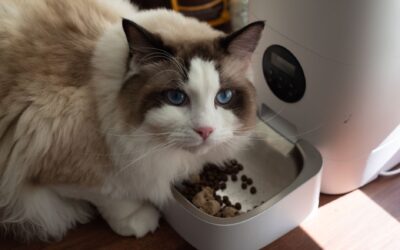

Yes, automatic feeders can be good for many cats, but their effectiveness depends on your cat’s health, personality, and your feeding goals. These devices offer consistent portion control and scheduled meals, which can benefit cats on a diet or with medical conditions like diabetes. However, they are not a one-size-fits-all solution. Mechanical failures, power outages, and your cat’s individual preferences can turn a convenience into a problem. Understanding when an automatic feeder helps and when it hinders is the key to making the right choice for your feline companion.
How Automatic Feeders Support Your Cat’s Health
One of the biggest advantages of an automatic feeder is precise portion control. You can set exact serving sizes and feeding times, which helps prevent overeating and obesity. For cats with weight management needs, this consistency is often more reliable than hand-feeding, especially if your schedule is unpredictable.
Automatic feeders also shine for cats that require multiple small meals per day. Many veterinarians recommend this feeding pattern to mimic a cat’s natural hunting rhythm and reduce begging behavior. With a feeder, you can offer four or five small meals even when you’re at work or asleep.
For diabetic cats or those with other medical conditions that demand strict meal timing, an automatic feeder can be a lifesaver. It eliminates the risk of forgetting a meal or feeding late, which can destabilize blood sugar levels or cause other health complications.
Common Risks and Downsides of Automatic Feeders
Mechanical reliability is a real concern. If the feeder jams, loses power, or runs out of batteries, your cat might miss a meal. Some feeders use moving parts that can break over time, and a stuck mechanism may either dispense too much food or none at all.
Power outages or dead batteries can also disrupt feeding. While many feeders have backup battery compartments, they still require monitoring. A multi-day outage without a manual backup plan could leave your cat hungry.
Another downside is the potential for reduced human interaction during feeding time. Many cats bond with their owners during meal preparation and feeding. Removing that daily ritual might increase anxiety or dependence on the device, especially in cats that thrive on routine and attention.
When an Automatic Feeder Might Not Be a Good Fit
Some cats are picky eaters or prefer fresh food over kibble that has been sitting in a hopper for hours. If your cat is a grazer or turns up its nose at stale dry food, an automatic feeder may lead to reduced food intake and weight loss. Wet food feeders are available but have their own challenges with spoilage and cleaning.
Multi-cat households can face conflicts when one cat dominates the feeder. Some models have microchip or RFID recognition to allow only specific cats access, but these are more expensive and not foolproof. Without such features, the dominant cat may overeat while the other goes hungry.
If your cat has a history of anxiety or stress, a sudden change to a machine feeder might cause behavioral issues. Cats are creatures of habit, and introducing a mechanical dispenser without a gradual transition can create fear or refusal to eat.
Key Features to Look for in an Automatic Feeder
When considering an automatic feeder, focus on reliability and ease of use. Look for models with a sealed food hopper to maintain freshness, a sturdy design that resists jamming, and clear control panels that let you set exact portions and schedules.
Battery backup is a must, especially if you live in an area prone to power fluctuations. Some feeders also offer app connectivity, which lets you monitor feeding activity and adjust schedules remotely. However, smart features add complexity and potential points of failure.
For multi-cat homes, microchip or collar key recognition can prevent food theft. These feeders only open for the registered cat, ensuring each pet gets the right amount. Consider the cleaning difficulty as well; feeders that disassemble easily are much easier to keep bacteria-free.
How to Introduce an Automatic Feeder to Your Cat
Start by placing the feeder in a familiar spot and leaving it turned off for a few days. Let your cat investigate it, smell it, and get comfortable. Then, fill it with a small amount of their regular food and manually trigger a dispensing session while they watch.
Once your cat associates the machine with food, begin using the timer for one meal per day while you still hand-feed the others. Gradually increase the number of automated meals over a week or two. Monitor your cat’s eating habits and body condition during this transition.
If your cat shows signs of stress, such as hiding, not eating, or excessive vocalization, slow down the process. Some cats take weeks to accept a feeder, and forcing it can create long-term aversions. Patience pays off.
What to Do If You Decide to Try an Automatic Feeder
- Assess your cat’s specific health and behavioral needs before buying.
- Choose a feeder with reliable reviews and a proven track record.
- Test the feeder manually for a few days before relying on it full-time.
- Always have a backup plan for power outages or malfunctions (e.g., a manual feeding schedule or a neighbor check-in).
- Monitor your cat’s weight and eating behavior for at least two weeks after introduction.
If you are still unsure whether an automatic feeder is right for your cat, you might find it helpful to browse general cat care advice or explore different feeding strategies. For more tips on keeping your cat healthy and happy, visit our blog.
Frequently Asked Questions
Can automatic feeders cause overeating?
If you set the portion sizes correctly, automatic feeders can actually prevent overeating. However, some feeders may dispense more than programmed if the mechanism malfunctions. Always test the dispensed amount with a measuring cup after setup.
What happens if the power goes out?
Most automatic feeders rely on electricity but have a battery backup that kicks in during a power outage. The battery life varies by model, so check the manufacturer’s specifications. It’s wise to keep spare batteries on hand and have a manual feeding plan for extended outages.
Are automatic feeders safe for kittens?
Automatic feeders can be used for kittens, but only after they are weaned and eating solid food. Kittens often need frequent small meals, so a feeder with multiple meal settings is useful. Monitor your kitten’s growth and adjust portions accordingly.
How often should I clean an automatic feeder?
You should wipe down the hopper and dispensing area every one to two weeks, and do a thorough disassembly and wash once a month. Stale food and bacteria can build up, especially in humid environments, and may cause digestive upset.
Can automatic feeders be used for wet food?
Yes, there are automatic feeders designed for wet food, but they require a cooling mechanism to prevent spoilage. Without refrigeration, wet food left out for more than a few hours can develop harmful bacteria. These models are typically more expensive and need frequent cleaning.
Related Guides
- Best Smart Feeder with Camera Reviews for 2026
- How Does an Automatic Pet Feeder Work
- How to Program an Automatic Pet Feeder
Final Thoughts
Automatic feeders can be a valuable tool for many cats, especially when used thoughtfully and with proper precautions. The key is matching the feeder to your cat’s unique needs and making a gradual transition. For more detailed guidance on caring for your feline friend, explore the articles on our blog.