
Yes, automatic feeders can keep food fresh, but the answer is more nuanced than a simple yes or no. The feeder’s design, materials, seal quality, and how you use it all determine whether your pet’s food stays crisp and free from moisture, pests, and spoilage. Understanding these factors helps you pick a feeder that works for your home and your pet’s eating habits.
Feeder Type: Gravity vs. Programmable
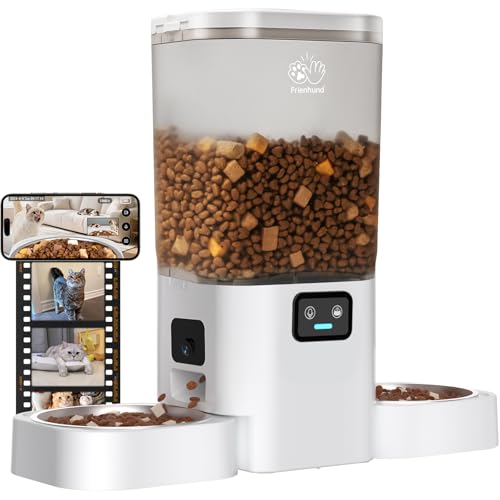
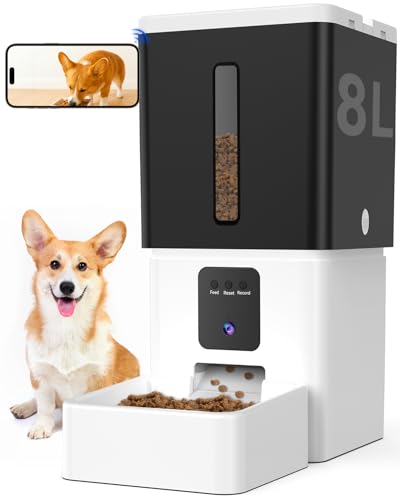
Gravity feeders rely on a hopper that dispenses food as your pet eats, which means the food in the bowl is constantly exposed to air. Over time, that exposure can lead to staleness and moisture absorption, especially in humid environments. Programmable feeders, on the other hand, release a measured portion at set times, keeping the bulk of the food sealed inside the hopper until the moment it’s dispensed. This design inherently limits how long the food sits out, helping preserve freshness.
The type you choose directly affects how much air and humidity reach the food. If you live in a damp climate or your pet grazes slowly, a programmable feeder typically offers better protection against spoilage.
Material and Build Quality
The material the feeder is made from matters more than many owners realize. Plastic components can absorb oils and odors from the food over time, and they may develop tiny scratches where bacteria hide. Stainless steel or BPA-free, food-grade plastic resists odor absorption and is easier to clean thoroughly. Some feeders also use silicone seals around the lid or dispensing mechanism to create a tighter barrier against moisture and pests.
Higher material quality usually means a longer lifespan and better freshness retention. When evaluating feeders, check what the hopper and bowl are made of, not just the outer shell.
Seal and Lid Design
An airtight seal is one of the most critical features for keeping food fresh. If the lid doesn’t close securely or the dispenser opening is large, humidity and pantry pests can get inside. Look for feeders with a gasket or rubber seal around the lid and a dispensing mechanism that closes after each portion drops. Some models also include a desiccant pack compartment to absorb excess moisture inside the hopper.
Even a well-sealed feeder can lose effectiveness if the seal wears out over time. Regularly inspect the gasket for cracks or deformation, especially if you live in a humid area.
Placement and Environmental Factors
Where you place the feeder affects how long the food stays fresh. Direct sunlight heats the hopper, accelerating fat oxidation and causing kibble to go rancid faster. High humidity areas like a laundry room or near a dishwasher add moisture to the air inside the feeder every time the lid opens. Even the temperature of the room matters: warmer environments speed up spoilage, while cooler, dry locations preserve food longer.
To maximize freshness, put the feeder in a shaded, low-humidity spot away from heat sources. A pantry or a corner of a climate-controlled room is ideal. Avoid bathrooms, kitchens near the stove, or garages that fluctuate in temperature.
Food Type: Dry Kibble vs. Wet Food
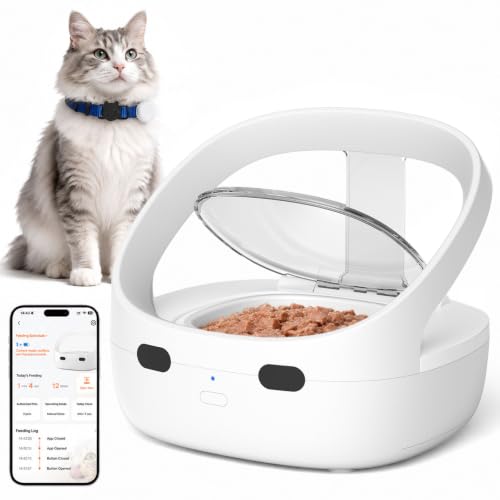
Automatic feeders are designed primarily for dry kibble, which has a longer shelf life once exposed to air. Wet or semi-moist food spoils much faster, especially if left in a bowl for hours. Most programmable feeders can handle wet food if they have an ice pack compartment or a sealed bowl, but the risk of bacterial growth is higher. If you feed wet food, choose a feeder with a cooling element or one that dispenses into a refrigerated bowl.
For dry food, freshness depends more on the feeder’s ability to block moisture and pests than on the food itself. Always store the bulk bag of kibble separately in an airtight container, and only fill the hopper with a week’s worth at a time.
Cleaning Frequency and Residue Buildup
Even the best feeder can’t keep food fresh if it’s not cleaned regularly. Old crumbs, grease, and saliva from your pet create a breeding ground for bacteria and mold. Over time, residue in the hopper or dispensing chute can contaminate fresh food as it passes through. Most manufacturers recommend disassembling and washing the hopper, bowl, and lid with warm soapy water every one to two weeks.
Neglecting cleaning not only compromises freshness but can also clog the dispenser, leading to missed meals. Set a recurring reminder to clean the feeder thoroughly, and dry all parts completely before reassembling to prevent mold growth.
How to Keep Food Fresh with an Automatic Feeder
- Choose a programmable feeder over a gravity model to limit air exposure.
- Opt for a feeder with a stainless steel or food-grade plastic hopper and an airtight seal.
- Place the feeder in a cool, dry, shaded location away from humidity and sunlight.
- Use the feeder primarily for dry kibble; if feeding wet food, ensure it has a cooling feature.
- Clean the entire feeder every one to two weeks, drying all parts before reassembly.
These steps address the most common causes of food spoilage in automatic feeders. If you’re still unsure which design best fits your home, browsing the blog for more tips on pet feeding and feeder maintenance can help you make an informed choice.
Frequently Asked Questions
How long does dry food stay fresh in an automatic feeder?
Dry kibble can stay fresh for up to two weeks in a well-sealed, programmable feeder kept in a cool, dry place. However, once dispensed into the bowl, it should be eaten within 24 to 48 hours to avoid staleness and moisture absorption. Always check the food for signs of rancidity before refilling.
Can automatic feeders keep food fresh for wet food?
Standard automatic feeders are not ideal for wet food because it spoils quickly at room temperature. Some models include ice packs or refrigerated compartments to keep wet food cool, but these require careful monitoring and regular ice pack changes. For wet food, a manual feeding schedule or a specialized chilled feeder is often safer.
Do automatic feeders prevent pests like ants and cockroaches?
Many automatic feeders have ant moats or raised designs that deter crawling insects, but no feeder is completely pest-proof. An airtight seal helps block entry, but crumbs around the bowl can still attract pests. Regular cleaning and placing the feeder on a smooth, clean surface reduce the risk of infestation.
How often should I clean my automatic feeder to keep food fresh?
Most manufacturers recommend cleaning the hopper, bowl, and lid every one to two weeks. If you live in a humid climate or feed wet food, clean it weekly. Disassemble all parts, wash with warm soapy water, rinse thoroughly, and dry completely before reassembling to prevent mold and bacteria buildup.
What material is best for an automatic feeder to preserve freshness?
Stainless steel is the best material for the hopper and bowl because it resists odor absorption, scratches, and bacterial growth. Food-grade, BPA-free plastic is a good alternative if stainless steel isn’t available. Avoid feeders with exposed plastic that can degrade over time and compromise the seal.
Related Guides
- Best Smart Dog Feeders with WiFi for 2026
- How to Prevent Automatic Feeder Jams
- How Does an Automatic Pet Feeder Work
Closing
An automatic feeder can keep food fresh when you choose the right design, place it wisely, and clean it consistently. For more detailed guidance on selecting a feeder that matches your pet’s needs, explore the blog for additional feeding tips and product insights.