

If you have cats or dogs on prescription diets, weight management plans, or simply different food preferences, mealtime can quickly become a battle. Food stealing, overfeeding, and missed meals are common headaches. That is where smart pet feeders designed for special diets come in. These devices use RFID collar tags, app-based scheduling, and portion control to ensure each pet gets exactly what they need. In this guide, we have reviewed five top models that excel at handling specialized feeding routines for multi-pet households in 2026.
Whether you need to keep a food-motivated cat away from a sibling’s prescription kibble or want to track each pet’s eating habits from your phone, the products here offer reliable solutions. For more general advice on feeding multiple pets, check out our multi-pet feeders guide.


Buying Guide: What to Look for in a Smart Feeder for Special Diets
RFID Recognition and Anti-Stealing Features
When each pet has a different diet, you need a feeder that opens only for the designated animal. RFID collar tags are the most reliable method. The feeder locks when an unregistered pet approaches, preventing food theft. Look for models that support multiple tags and allow you to assign each tag to a specific feeder unit. The multi-pet feeders category offers more details on how these systems work.
Diet Tracking and App Logs
Knowing who ate what and when is essential for managing special diets. Smart feeders with app-based tracking let you view feeding history for each pet individually. Some models even provide real-time updates and alerts if a pet misses a meal. This feature is especially valuable for pets on medication or strict portion control.
Freshness and Food Protection
Special diet kibble can be expensive, so keeping it fresh is a priority. Look for feeders with sealed lids, silicone gaskets, and airtight rotors. Some models include desiccant bags and stainless steel bowls that are easy to clean. For wet food options, a feeder that can accommodate both wet and dry food with ice packs is a plus.
Portion Control and Scheduling Flexibility
Consistency is key for weight management or medical diets. The best feeders allow you to set multiple meals per day with precise portion sizes. App-controlled scheduling lets you adjust portions remotely, which is great for busy pet parents. Some models also offer battery backup to keep routines intact during power outages.
For more insights on feeding routines, you can read our guide to smart feeders for cats.
Final Thoughts
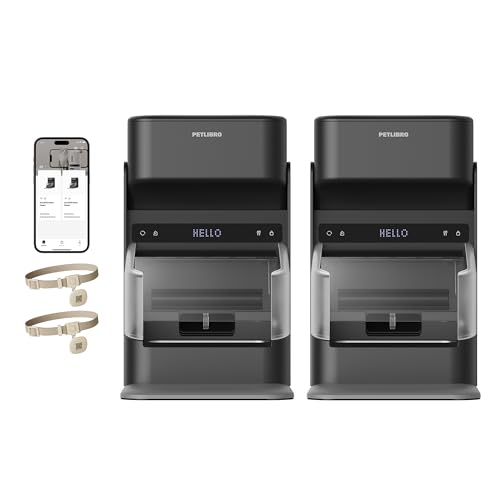
After evaluating these five smart feeders, we recommend the PETLIBRO Automatic Cat Feeders for 2 Cats for households with two cats on different diets, thanks to its dual-unit RFID system and real-time diet tracking. If you need a single, camera-equipped feeder to monitor a pet with special needs, the PETLIBRO Automatic Cat Feeder with Camera offers excellent video quality and remote interaction capabilities.
Related Guides
- Best Smart Dog Feeders with WiFi for 2026
- How to Prevent Automatic Feeder Jams
- How Does an Automatic Pet Feeder Work
- Best 4L Dog Feeders for : Top Picks for Automatic Feeding
Frequently Asked Questions
How does RFID technology prevent food stealing in multi-pet homes?
RFID collar tags communicate with the feeder to unlock only when the assigned pet approaches. Other animals cannot access the food, making it ideal for households where each pet has a different diet. This system works without requiring microchip implants.
Can I use a smart feeder for both wet and dry food?
Most smart feeders are designed for dry kibble only. However, the Vancpet Smart Pet Feeder RFID Bluetooth model supports wet and dry food with reusable ice packs to keep wet meals cool. Always check the manufacturer’s recommendations for food types.
What happens if the Wi-Fi goes out?
Many smart feeders include a battery backup that maintains scheduled feedings even without internet or power. Models like the PETLIBRO RFID automatic feeders keep running on battery power, so your pet’s routine stays uninterrupted during outages.
How many meals can I schedule per day?
Most of the reviewed feeders allow up to 10 meals per day with customizable portion sizes. The PETLIBRO models offer up to 48 portions per meal, giving you fine control over your pet’s intake. Always consult your veterinarian for portion guidance.


