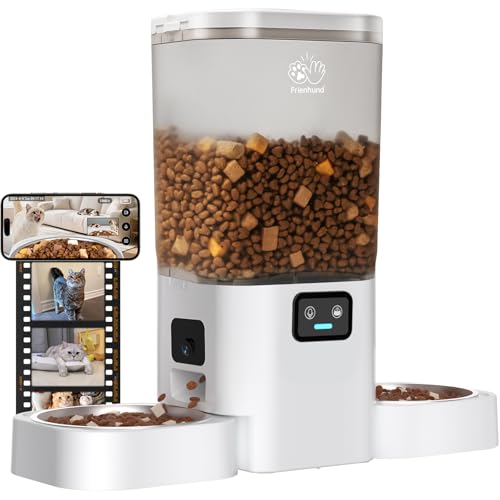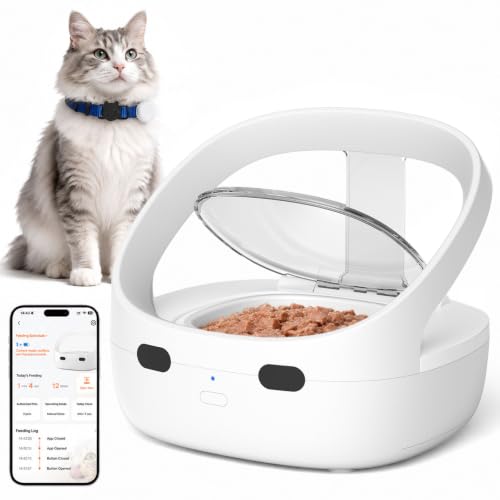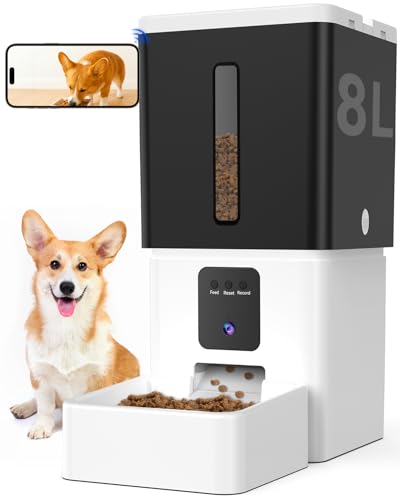

If you have multiple pets and at least one requires a prescription diet, you know the struggle. One cat needs kidney support kibble, another is on weight management, and the dog will eat anything left unattended. Without the right feeder, meals become a free-for-all that puts your pet’s health at risk. That is where selective feeders step in. They use RFID tags or microchip recognition to open only for the designated pet, keeping others out. In this guide, we have evaluated four top models that excel at managing prescription diets in multi-pet homes. Whether you need a smart Wi-Fi dispenser or a simple microchip bowl, we have you covered. For more on preventing food aggression, see our roundup of best feeders for food aggressive pets.


Buying Guide: What to Look for in a Feeder for Prescription Diets
RFID or Microchip Recognition
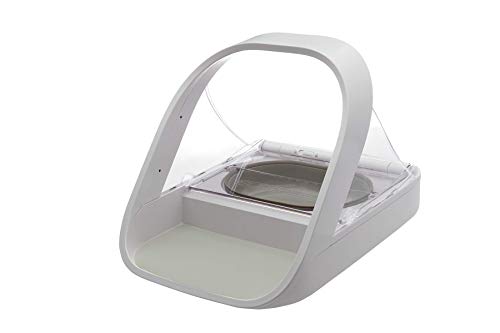
The core feature for prescription diets is reliable pet identification. RFID collar tags and microchip readers ensure only the intended pet accesses the food. Some feeders, like the Sure Petcare model, read your pet’s existing microchip, while others use lightweight collar tags. Look for a system that stores multiple IDs if you have more than two pets. For a deeper dive, check our guide on best selective feeding systems for multiple pets.
Portion Control and Scheduling
Prescription diets often require precise portions at specific times. Programmable feeders with app control let you set meal sizes and schedules from your phone. Models with battery backup ensure feeding continues during power outages. If food theft is a concern, look for anti-stealing features like retractable bowls or sealed lids. Our article on best feeders that prevent food stealing covers these mechanisms in detail.
Compatibility with Wet and Dry Food
Many prescription diets come in wet or semi-moist forms. Not all feeders handle wet food well. Look for airtight seals that keep wet food fresh and dry kibble crunchy. The HEAPETS and Sure Petcare models include sealed lids that preserve moisture. Avoid leaving wet food in the feeder for extended periods, but a few hours between meals is fine. Always check the manufacturer’s recommendations for food type.
Ease of Cleaning and Maintenance
Prescription diets can be expensive, and you want to minimize waste. A feeder with a removable, dishwasher-safe bowl makes cleanup quick. Models with smooth surfaces and minimal crevices prevent food buildup and bacteria. The PETLIBRO and PetSafe feeders have simple designs that are easy to wipe down. Regular cleaning keeps your pet healthy and the feeder running smoothly.
Final Thoughts
Choosing the right feeder for pets on prescription diets comes down to your specific household needs. If you want a smart, app-connected system that tracks each cat’s eating habits and allows remote scheduling, the PETLIBRO RFID Automatic Cat Feeder is an excellent choice with its collar tag recognition and real-time diet tracking. For a veteran-recommended, microchip-based solution that works with both wet and dry food and stores up to 32 IDs, the Sure Petcare SureFeed Microchip Pet Feeder offers unmatched reliability and a three-year warranty. Both models prevent food stealing and ensure each pet gets the correct prescription food, bringing peace to mealtimes in your multi-pet home.
Frequently Asked Questions
How do RFID feeders work for prescription diets?
RFID feeders use a collar tag or microchip that communicates with the feeder’s sensor. When the assigned pet approaches, the lid opens only for that animal. This prevents others from eating the prescription food, which is critical for managing conditions like diabetes or kidney disease. For more details, see our guide on best microchip feeders for three pets.
Can I use these feeders for wet food?
Yes, several models are designed for wet food. The Sure Petcare SureFeed and HEAPETS feeder include sealed lids that keep moisture in and food fresh. However, do not leave wet food in the feeder for more than a few hours to avoid spoilage. Always check the product specifications for wet food compatibility.
Are microchip feeders better than RFID collar tags?
Microchip feeders read your pet’s existing implant, so no collar is needed. This is ideal for cats that dislike collars. RFID collar tags are easier to replace and work with pets without microchips. Both are reliable; the choice depends on your pet’s comfort and your convenience. In 2026, both technologies are widely available in the feeders reviewed here.
How many pets can one feeder support?
Most feeders store multiple pet IDs. The Sure Petcare SureFeed stores up to 32 IDs, while the PETLIBRO and HEAPETS models pair with one collar tag per feeder. For multiple pets on different diets, you may need one feeder per pet. The multi-pet feeders category on our site offers more options for managing several animals.