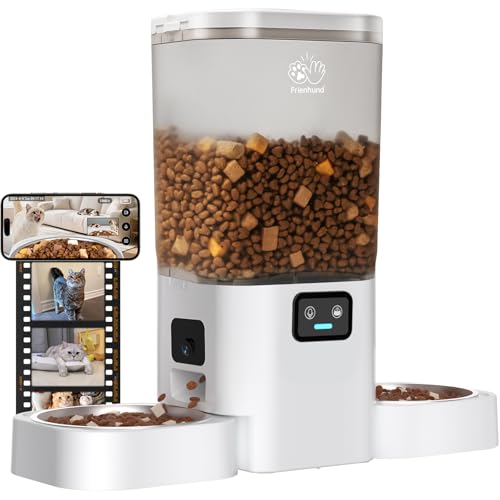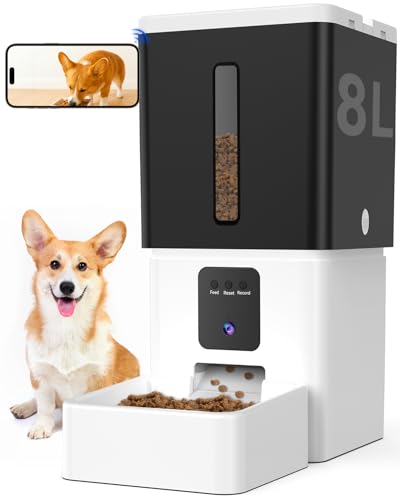

Picture this: one cat needs a prescription kidney diet, another requires weight management kibble, and your small dog has a sensitive stomach. Feeding them all from the same bowl is a recipe for health problems and mealtime chaos. The solution lies in specialized feeders that recognize each pet and deliver the correct food every time. In this guide, we have evaluated five top-rated automatic feeders designed for multi-pet homes with different diets. Whether you need RFID collar recognition, large capacity, or simple timed dispensing, we have options that will simplify your routine. For more on managing multiple dogs, check out our review of multi-dog feeders for busy owners.



Buying Guide
Choosing the right feeder for multiple pets with different diets involves more than just picking a large container. Focus on these key criteria to ensure your purchase fits your household.
RFID Technology for Personalized Feeding
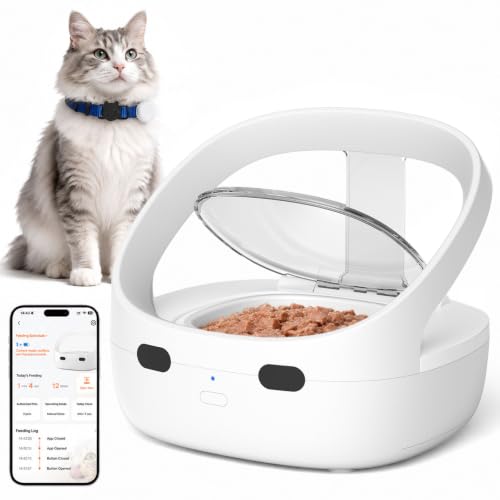
If you have cats or small dogs on distinct meal plans (prescription, weight control, or allergy-friendly), an RFID feeder is invaluable. These feeders use a lightweight collar tag to identify the pet approaching. Only the designated animal can unlock the lid, preventing food theft and mix-ups. Models like the PETLIBRO RFID Automatic Cat Feeder offer dual-band Wi-Fi for app tracking, so you can monitor who ate what and when.
Capacity and Freshness Protection
Consider how much food you need to store and how often you want to refill. A 3L to 4.6L capacity is typical for one to three weeks of dry food. Look for airtight seals, silicone gaskets, and desiccant compartments to keep kibble crunchy and prevent spoilage. Some feeders even include a sealed bowl lid to protect wet food in between meals. This is especially important if your pet eats multiple small portions per day.
Power Options and Reliability
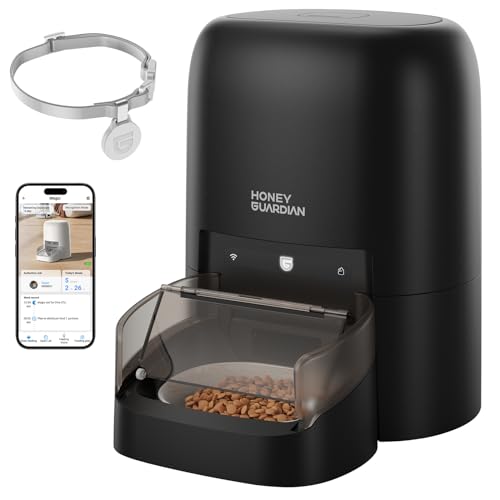
You want a feeder that works during power outages. Most models offer dual power: plugging into an outlet with a battery backup (AA or lithium) that keeps the schedule running. Some RFID feeders, like the HoneyGuaridan, allow you to use batteries alone for offline mode, while others require AC power for Wi-Fi connectivity. If you travel frequently, a feeder with a reliable battery backup ensures your pets are fed on time.
Ease of Cleaning and Maintenance
Food residue can harbor bacteria, especially with wet food. Look for removable bowls that are dishwasher safe or easy to hand wash. Stainless steel or ceramic bowls resist scratches and odors better than plastic. A smooth, non-porous exterior helps prevent buildup. Regular cleaning keeps the feeder hygienic and your pets healthy.
For more tips on choosing the right feeder for your setup, explore our smart and Wi-Fi feeder category.
Final Thoughts
After reviewing these five feeders, the best choice depends on your specific situation. For multi-cat homes where prescription diets or weight management is critical, the PETLIBRO RFID Automatic Cat Feeder offers excellent RFID recognition, diet tracking, and dual-band Wi-Fi for peace of mind. If you need a budget-friendly option that still prevents cross-feeding, the ANDOLL HOME Automatic Cat Feeder provides a reliable timed dispenser with voice recording and a desiccant tray, making it suitable for small households with similar diets. Whichever you choose, investing in a feeder that respects each pet’s nutritional needs will reduce stress and keep your furry friends healthy.
Frequently Asked Questions
Can an automatic feeder handle both dry and wet food?
Some models, like the HEAPETS RFID Automatic Cat Feeder, feature a sealed lid that temporarily preserves wet food. However, wet food should not be left in the feeder for more than a few hours to prevent spoilage. For primarily dry food, all the feeders listed work well.
How do RFID pet feeders work for different diets?
Each pet wears a lightweight collar tag with a unique ID. When the tagged animal approaches, the feeder opens its lid only for that specific pet. This prevents others from stealing food intended for a special diet, such as prescription or weight-control formulas. The feeder records which pet ate, how much, and when.
Do I need Wi-Fi to use these feeders?
Wi-Fi is useful for remote scheduling, diet tracking, and alerts, but many feeders also work offline using a backup battery or manual programming. For example, the HoneyGuaridan RFID Cat Feeder can operate on batteries without Wi-Fi, though app features will not be available. If you want to monitor eating habits from your phone, choose a model with dual-band Wi-Fi like the PETLIBRO options.
What capacity is ideal for two cats on different diets?
A 3L to 4.6L container is enough for one to three weeks for a single cat. With two cats eating from separate feeders, you may need two units. Look for feeders that support multiple collar tags (like the HoneyGuaridan, which pairs up to two) to manage each pet’s schedule individually.
For more details on managing multiple pets, see our guide on multi-pet feeders.