
If you have one pet that inhales food in seconds and another that nibbles slowly, you know the struggle. The fast eater often steals from the slow eater, leading to weight issues and mealtime stress. The right feeder can solve this by giving each pet controlled access to their own portion. In this guide, we review the best feeders for pets with different eating speeds, from simple gravity models to advanced RFID dispensers that recognize individual animals. Whether you need a budget-friendly solution or a high-tech system, we have options verified through hands-on evaluation.
For more on preventing food aggression, see our review of best feeders for food aggressive pets.


Buying Guide: What to Look For in a Feeder for Different Eating Speeds
Speed Control and Portion Adjustability
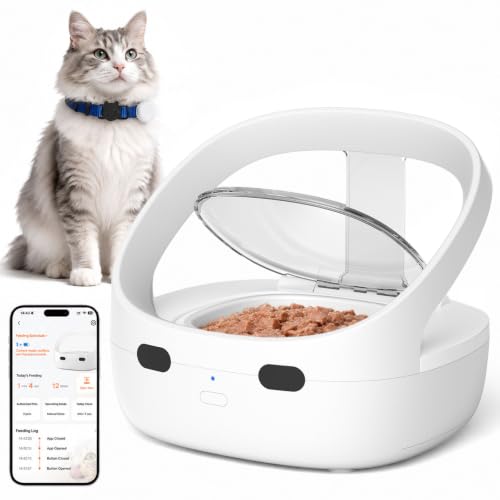
The most critical feature is how the feeder controls the pace of eating. Timed feeders dispense small portions over the day, which helps slow down a fast eater and ensures a slow eater gets regular meals. Gravity feeders, on the other hand, let food flow freely, which may not slow a fast eater but works well for a grazer. RFID feeders with closed lids only open for the assigned pet, giving each animal its own meal without interference.
For a deeper look at how timed feeders can help, check our automatic feeders guide.
Multi-Pet Recognition
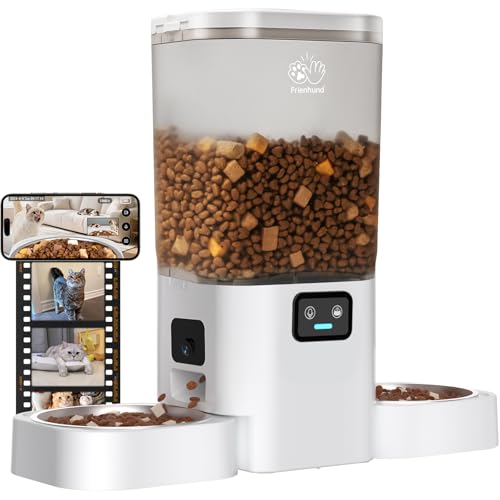
In homes with multiple pets, recognition technology is a game-changer. RFID feeders use collar tags to identify each animal and open only for the right one. This prevents food stealing and allows you to feed different diets to different pets. Some feeders, like the oneisall, use separate bowls placed apart to reduce conflict, while others rely on smart sensors. For homes with two cats that eat at different speeds, a dual-bowl feeder can be a simple, effective solution.
Learn more about multi-pet feeders that prevent food stealing.
Capacity and Freshness
A feeder with a large hopper reduces the need for frequent refills, which is convenient for busy owners. But capacity must be balanced with freshness. Look for models with airtight seals, desiccant packs, and stainless steel bowls to keep kibble crisp and free from moisture. Gravity feeders often have transparent hoppers so you can see food levels at a glance. For timed feeders, a sealed rotor prevents stale air from reaching the stored food.
Ease of Cleaning
Hygiene is essential, especially when feeding different pets. Removable bowls and hoppers that are dishwasher-safe make cleaning effortless. Some feeders have non-stick surfaces or food-grade materials that resist residue. Avoid feeders with hard-to-reach crevices where bacteria can grow. The easier the feeder is to clean, the more likely you will maintain a healthy feeding environment.
Final Thoughts
Finding the right feeder for pets with different eating speeds comes down to your specific situation. For a two-cat household where one eats fast and the other slow, the oneisall Automatic Cat Feeder for 2 Cats Pets offers separate bowls spaced far apart, allowing each cat to eat at their own pace without conflict. If you need to manage strict diets and prevent any food stealing, the PETLIBRO RFID Automatic Cat Feeder uses collar sensors to ensure only the right pet accesses the food. Both options have been thoroughly assessed and deliver reliable performance for multi-pet homes.
Frequently Asked Questions
How do feeders help with different eating speeds?
Feeders control portion sizes and access times. Timed feeders release small meals throughout the day, slowing down fast eaters and giving slow eaters regular opportunities. Gravity feeders allow free access, which suits grazers but may not slow a gulper. RFID feeders open only for the assigned pet, giving each animal its own meal without competition.
What is the best feeder for a fast eater and a slow eater?
For two pets, a dual-bowl feeder like the oneisall Automatic Cat Feeder works well by placing bowls far apart. For more control, an RFID feeder like the PETLIBRO or HEAPETS ensures each pet only eats from its own bowl. Choose based on whether you need separate diets or just separate eating spaces.
Can I use these feeders for wet food?
Most automatic feeders are designed for dry kibble only. However, some RFID feeders with sealed lids can keep wet food fresh for a few hours. Always check the manufacturer’s instructions. For wet food, consider feeders with removable stainless steel bowls that are easy to clean after each meal. Our selective feeding systems guide covers options suitable for wet diets.
Do RFID feeders work with any collar tag?
No, most RFID feeders only recognize the specific tags provided in the box. They do not read microchips or third-party tags. Each feeder is paired with its own collar tag, so you need one feeder per pet. Some models allow multiple feeders to work together, but each tag is unique to its feeder.