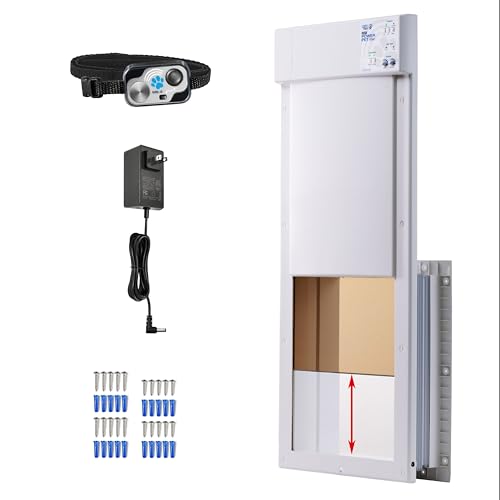

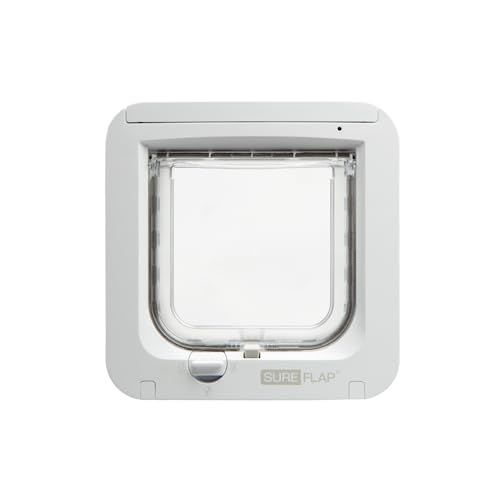
If you’re tired of stray cats sneaking through your pet door or want to give your indoor cat access to a separate room without letting other pets in, an electronic cat door is the solution. This guide, part of our Pet Tech Guides series, covers the best electronic cat doors on the market, highlighting smart features like RFID collar sensors and microchip reading technology. We’ve evaluated top brands including SureFlap, Dubcei, and CUIBIRD to help you choose a secure, convenient option for your home.


Buying Guide
When shopping for the best electronic cat door, consider factors like access control, installation ease, battery life, and security features. Our Best Products page offers more comparisons across pet tech categories.
Access Control Technology: Microchip vs. RFID Collar
Electronic cat doors use either microchip reading or RFID collar sensors to grant access. Microchip doors, like the SureFlap model, read your cat’s implanted ID chip, making them ideal for cats already microchipped. RFID collar doors come with sensor tags that attach to your cat’s collar, offering a simple retrofit solution. Both technologies prevent uninvited animals from entering.
Consider which method fits your cat’s lifestyle. If your cat already has a microchip from a shelter or vet, a microchip door saves you from managing extra tags. For cats without chips, RFID collars are easy to use and replaceable.
Installation and Door Compatibility
Most electronic cat doors install in standard doors, walls, or windows. Check the dimensions of the flap opening and the thickness of your door before buying. Some models, like the Smart Cat Door from Dubcei, are designed for both interior and exterior use and come with easy installation kits. If you have a metal door or wall, be aware that RFID signals may be blocked, so choose a model that works with your home’s materials. For more product comparisons, visit our Best Products category.
Battery Life and Power Efficiency
Electronic cat doors run on batteries, typically 4 AA alkaline cells. Battery life can last up to 12 months depending on usage. Look for models with low battery indicators, like a flashing red light, so you know when to replace them. This ensures your cat is never locked out unexpectedly. For more tips on maintaining pet tech devices, check out our Pet Tech Guides.
Security Features and Locking Modes
Many electronic cat doors offer multiple locking modes: fully open, fully locked, in-only, out-only. This gives you control over your cat’s access at different times. Remote control and front panel buttons make mode switching easy. These features are especially useful for multi-pet households or when you want to keep your cat inside at night.
Final Thoughts
Choosing the right electronic cat door depends on your cat’s identification method and your home setup. For a premium microchip-based solution, the SureFlap – Sure Petcare Microchip Cat Flap, White offers reliable selective entry with long battery life. If you prefer a more affordable RFID collar system, the Smart Cat Door with 4 Collar Sensor Key from CUIBIRD provides versatile locking modes and easy installation. Both options keep unwanted animals out while giving your cat the freedom it deserves.
Related Guides
- Best RFID Dog Doors in 2026
- 5 Smart Dog Doors for Effortless Pet Access in 2026
- High Tech Pet Door vs Microchip Pet Door
Frequently Asked Questions
How does an electronic cat door work?
Electronic cat doors use RFID technology or microchip reading to identify your cat. When your cat approaches with a matching collar tag or implanted microchip, the door unlocks automatically. This prevents stray animals from entering while allowing your cat free access.
Can I install an electronic cat door in a metal door?
Installation in metal doors may interfere with RFID signals, so most manufacturers advise against it. If you have a metal door, consider a microchip-based door like the SureFlap, which reads your cat’s implanted chip and is less affected by metal. Alternatively, install the door in a wall or wooden panel.
How long do the batteries last in an electronic cat door?
Most models run on 4 AA alkaline batteries and can last up to 12 months with normal use. Look for a low battery indicator to avoid unexpected lockouts. In 2026, newer models continue to improve energy efficiency, so check product specifications for estimated battery life. For more maintenance advice, visit our Pet Tech Guides.
Can I use an electronic cat door for multiple cats?
Yes, most electronic cat doors can learn multiple collar tags or microchips. The SureFlap model can store up to 32 identities, while RFID collar doors typically come with multiple sensor keys. This makes them perfect for multi-cat households where you want to control access for each pet individually.