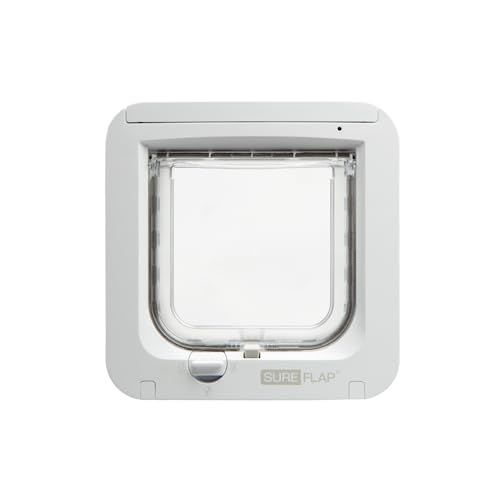

You love giving your pet the freedom to roam outside, but every time that flap swings open, you feel a draft and wonder about your energy bill. That is the classic dilemma between an insulated pet door and a standard pet door. In this guide, we compare the two options to help you decide which type best balances your pet’s independence with your home’s comfort. We have evaluated five leading models from trusted brands like PetSafe, HOMEPEDIA, and PETCOMING, and we will walk you through the key differences. Whether you live in a cold climate or a hot one, the right choice can keep your home cozy year-round. For more pet tech comparisons, check out our Comparisons category.


Buying Guide
Climate and Insulation Performance
The main advantage of an insulated pet door is its ability to reduce heat transfer. Standard single-flap doors offer minimal resistance, while insulated models use multiple flaps, magnetic seals, and sometimes a center insulation layer. For example, the PetSafe Extreme Weather Plastic Dog Door features a three-flap system rated for temperatures from -10 to 100 degrees Fahrenheit, making it ideal for extreme climates. The HOMEPEDIA sliding door model adds a reinforced three-layer flap with double magnetic attraction to stay closed even in strong winds. If you live in a region with harsh winters or scorching summers, an insulated door is a worthwhile upgrade.
For a deeper dive into energy-saving pet products, visit our Pet Tech Guides.
Door Type Compatibility
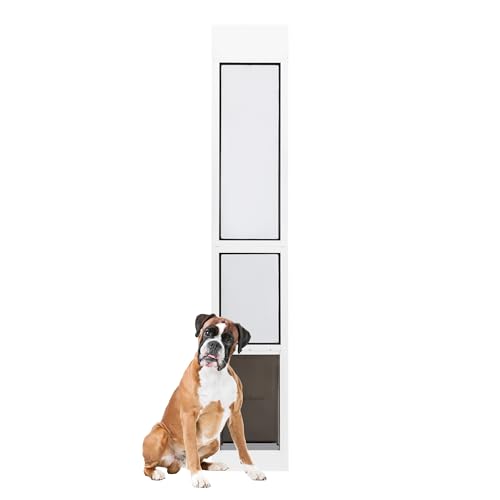
Your existing door style heavily influences your choice. Standard pet doors are designed for hinged wooden or metal doors and require cutting a hole. Insulated versions like the PETCOMING All Aluminum 3 Flaps Insulated Cat Door fit into exterior doors with thicknesses up to 2.08 inches. For sliding glass doors, you need a model that fits into the track, such as the PetSafe Extreme Weather Sliding Glass Pet Door. That model includes dual-paned glass and weather stripping, and it is easy to remove if you rent. Always measure your door dimensions before purchasing to ensure a proper fit.
Security and Access Control
Both insulated and standard pet doors should offer ways to restrict your pet’s access when needed. Most models include a sliding or snap-on closing panel. The PetSafe Extreme Weather Plastic Dog Door has a snap-on panel, and you can add a second one for extra weather protection. The HOMEPEDIA sliding door model uses an aluminum alloy slide-in closure panel. For smaller pets, the PETCOMING door includes a sturdy aluminum security lock. These features give you peace of mind when you are away from home.
Installation Ease
Installing a pet door can be a DIY project, but insulated models may require more care to maintain the seal. The PetSafe Extreme Weather Plastic Dog Door is designed to fit standard paneled doors and comes with instructions for do-it-yourself installation. For sliding glass doors, the PetSafe model uses adhesive strips or screws and adjusts to different heights. If you want to improve the weatherproofing of any pet door, the PetSafe Dog Door Installation & Insulation Kit provides weather stripping and silicone sealant. That kit works with most brands and helps prevent drafts around the frame.
Final Thoughts
Choosing between an insulated and a standard pet door comes down to your climate and door type. For most homeowners, the extra investment in an insulated model pays off through lower energy bills and a more comfortable home. If you have a standard hinged door and face extreme temperatures, we recommend the PetSafe Extreme Weather Plastic Dog Door for its proven three-flap system and paintability. For sliding glass doors, the PetSafe Extreme Weather Sliding Glass Pet Door offers excellent insulation and easy removal for renters. Both options give your pet the freedom they deserve while keeping your home energy efficient.
Related Guides
Frequently Asked Questions
Do insulated pet doors really save energy?Yes, insulated pet doors with multiple flaps and magnetic seals significantly reduce air leakage compared to standard single-flap models. In 2026, many homeowners report noticeable savings on heating and cooling costs after upgrading. For the best results, pair an insulated door with proper weather stripping around the frame.
Can I install an insulated pet door in a sliding glass door?Absolutely. Specialized models like the PetSafe Extreme Weather Sliding Glass Pet Door fit directly into the track of your sliding door. They include dual-paned glass and insulating flaps, and they are designed for easy installation and removal, making them ideal for renters.
How do I choose between a standard and an insulated pet door?Consider your local climate and the door type. If you experience seasonal extremes, an insulated door is worth the extra cost. For moderate climates or interior doors, a standard door may suffice. Also factor in your pet’s size and the security features you need. Our Comparisons section can help you weigh the options.
Are insulated pet doors more difficult to install?Not necessarily. Many insulated models are designed for straightforward DIY installation. The key is to measure your door accurately and follow the included instructions. For sliding door versions, the process is often simpler because no cutting is required. Using a kit like the PetSafe Installation & Insulation Kit can also simplify the job.