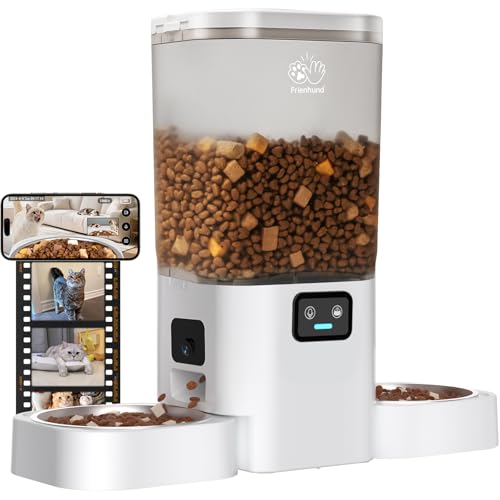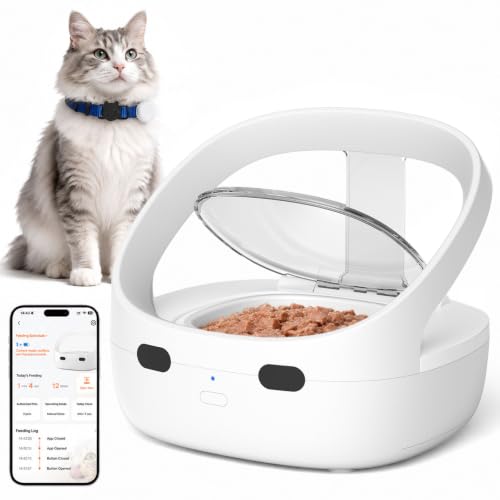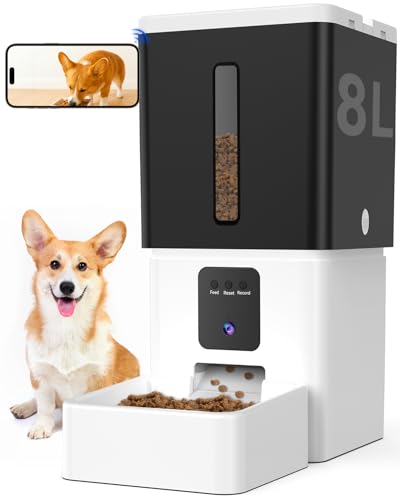

Yes, multiple pets can share an automatic feeder, but success depends on the feeder’s design, your pets’ sizes, and their feeding habits. Most standard automatic feeders dispense food into a single bowl, which can lead to conflict if one pet guards the food or eats faster than the other. To share effectively, you need a feeder with multiple compartments, a larger bowl, or separate feeding stations, plus a plan to manage each pet’s unique needs.
Feeder Design and Capacity
Not all automatic feeders are built for multiple pets. A single bowl design forces all animals to eat from the same spot, which often leads to crowding or competition. Look for feeders that offer dual bowls, separate dispensing chutes, or a large enough bowl to allow two pets to eat side by side without physical contact.
Some feeders have programmable compartments that open at different times, letting you stagger feeding moments for each pet. This can reduce face-to-face competition even if the feeder itself is a single unit. The physical layout of the feeder in your home also matters: placing it in a wide, open area gives each pet room to approach without feeling trapped.
Pet Personalities and Resource Guarding
Even with the right feeder, your pets’ individual temperaments play a huge role. Some animals are naturally possessive of food and will guard the feeder, preventing others from eating. This behavior, called resource guarding, can turn mealtime into a stressful event for everyone involved.
If one of your pets shows signs of guarding, you may need to feed them separately or use a feeder that physically separates the bowls. Observing your pets during shared feeding sessions will tell you whether the setup is working or if adjustments are needed. Gradual introduction and positive reinforcement can help reduce guarding tendencies over time.
Feeding Schedules and Portions
Automatic feeders are often programmed for a single schedule, but multiple pets may require different meal times or portion sizes. If one pet needs smaller, more frequent meals and another eats larger meals twice a day, a single feeder cannot accommodate both. You may need two separate feeders or a model with multiple programmable dispensers.
Portion control is another challenge. If the feeder releases the same amount for both pets, the hungrier or larger pet may eat more than its share, leaving the other underfed. Using a feeder that allows you to set different portion sizes for each pet or that has separate compartments can solve this problem.
Dietary Differences Between Pets
Many households have pets on different diets: one on weight management food, another on a prescription diet, or a mix of cats and dogs with very different nutritional needs. An automatic feeder that dispenses the same food for all is not suitable in these cases. You would need separate feeders for each pet, placed in different areas, to ensure each gets the correct food.
Even if both pets eat the same type of food, the kibble size or texture might differ. Some feeders are designed for specific kibble shapes, which can cause jamming if the food doesn’t match. Check the feeder’s specifications to see if it can handle the food you use for both animals.
Health and Safety Considerations
Sharing a feeder can lead to health issues if one pet eats too fast and chokes or vomits, or if the slower eater misses meals entirely. Automatic feeders do not monitor who eats what, so a dominant pet could eat multiple portions while the subordinate pet goes hungry. This can cause weight gain in one and malnutrition in the other.
Another concern is food contamination. If one pet has a contagious condition or drools into the shared bowl, it can affect the other pet. Separate feeding stations or feeders with individual bowls reduce these risks. Always clean the feeder regularly to prevent bacterial buildup.
Training and Transition Period
Introducing an automatic feeder to multiple pets requires a gradual transition. Start by letting them see and sniff the feeder while it’s off, then use it for one meal with you present. Gradually increase the time you are away, monitoring their behavior through a camera or by checking in.
Training each pet to approach the feeder calmly and wait their turn is essential. Use positive reinforcement like treats or praise when they share the space without conflict. If after several weeks they still struggle, consider separate feeders or a different feeding strategy altogether.
How to Make Multiple Pets Share an Automatic Feeder Successfully
- Choose a feeder with multiple bowls or separate compartments to reduce competition.
- Place the feeder in an open area where each pet can approach without feeling trapped.
- Observe your pets for signs of resource guarding and feed them separately if needed.
- Program separate feeding schedules if your pets have different meal timing needs.
- Use separate feeders if your pets require different food types or portion sizes.
- Introduce the feeder gradually and train your pets to share the space calmly.
- Monitor health and weight regularly to ensure each pet is getting enough food.
For more detailed guidance on managing multiple pets during feeding, explore our blog for additional tips and strategies.
Related Guides
- Best Smart Feeder with Camera Reviews for 2026
- How to Prevent Automatic Feeder Jams
- How Does an Automatic Pet Feeder Work
Frequently Asked Questions
Can I use a single automatic feeder for a cat and a dog?
Yes, but only if both pets eat the same type of food and the feeder’s bowl is large enough for them to eat without conflict. However, cats and dogs often have different nutritional needs, so separate feeders are usually safer. If you do share, monitor their eating habits closely.
What if one pet eats all the food before the other gets any?
This is a common problem with single-bowl feeders. You can solve it by using a feeder with multiple compartments that open at different times, or by feeding the faster eater in a separate area. Some feeders also have slow-dispensing features that prevent gulping.
Do automatic feeders work for multiple pets if they are different sizes?
Size differences can affect sharing. A large dog may intimidate a small cat or dog, even if the feeder is adequate. Consider feeders with separate feeding stations placed far apart, or use two individual feeders. Always supervise initial sessions to ensure both pets feel safe.
How do I train my pets to share an automatic feeder?
Start by placing the feeder empty in their environment so they can explore it. Then use it for one meal while you are home, rewarding calm behavior. Gradually increase your absence. If any pet shows aggression, go back to separate feeding and try again later.
Can a microchip feeder help with multiple pets?
Microchip feeders are designed to open only for a specific pet, making them ideal for multi-pet households with different diets. They prevent food stealing and ensure each pet gets its own meal. However, they are not automatic in the sense of scheduled dispensing; they are portion-controlled bowls.
Multiple pets can share an automatic feeder, but the setup requires attention to feeder design, pet personalities, and individual dietary needs. For more tips on feeding your pets harmoniously, visit our blog for expert advice.