
If you share your home with multiple dogs or cats, you know the mealtime chaos. One pet inhales their food, then steals from the other bowl. Another pet needs a special diet, but you cannot watch them 24/7. Selective access dog feeders solve these problems by opening only for the assigned pet. This guide reviews the top models for 2026 to help you choose the right one for your household.
Whether you need a microchip-activated feeder for a prescription diet or a budget-friendly option with an elevated stand, we have you covered. For more on RFID technology, check out our Best RFID Dog Feeders for Multi-Pet Homes in 2026.


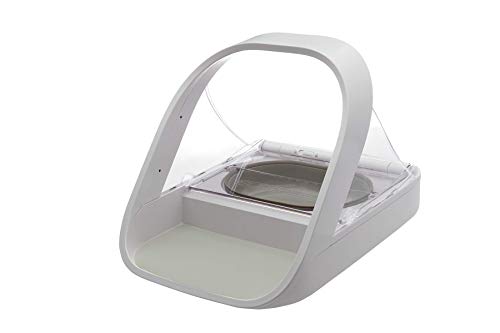
Buying Guide for Selective Access Dog Feeders
Identification Method
Most selective feeders use microchip recognition, RFID collar tags, or a combination. Microchip feeders are ideal if your pet is already chipped, but they require the feeder to be programmed. RFID tags work well for pets without microchips and are easy to swap between collars. Some feeders store up to 32 IDs, making them perfect for multi-pet homes.
For a deeper look at pet identification options, see our Top Dog Feeders with Pet Identification for 2026.
Capacity and Portion Control
Consider how long you need the feeder to last without refilling. Large-capacity models (8L to 15L) can cover multiple days or even weeks for small dogs. Portion control is critical for weight management. Look for feeders that allow you to set precise portions, down to 1/16 cup per meal. Some models offer up to 15 meals per day, which is great for puppies or seniors.
If food stealing is your main concern, our best dog feeders that prevent food stealing guide has additional tips.
Durability and Ease of Cleaning
Pets can be rough on equipment. Look for feeders with sturdy, non-slip bases and chew-resistant cables. Removable stainless steel bowls and dishwasher-safe parts make cleaning simple. A feeder that disassembles easily will save you time and keep your pet’s food hygienic.
Power Options and Connectivity
Most feeders offer dual power: an AC adapter plus battery backup. This ensures feeding continues during power outages. Some advanced models include WiFi and app control, allowing you to adjust schedules remotely. For homes with multiple pets, consider a feeder that works with the Multi-Pet Feeders category for seamless integration.
Final Thoughts
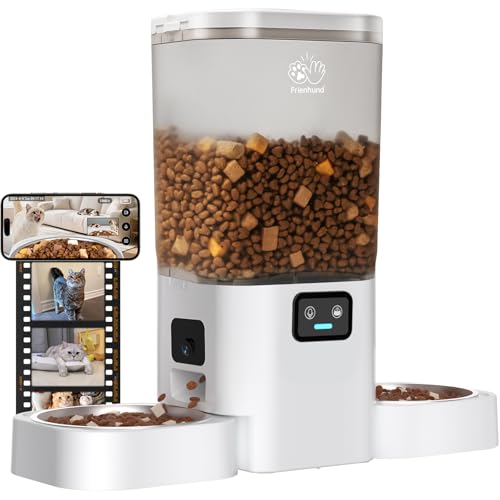
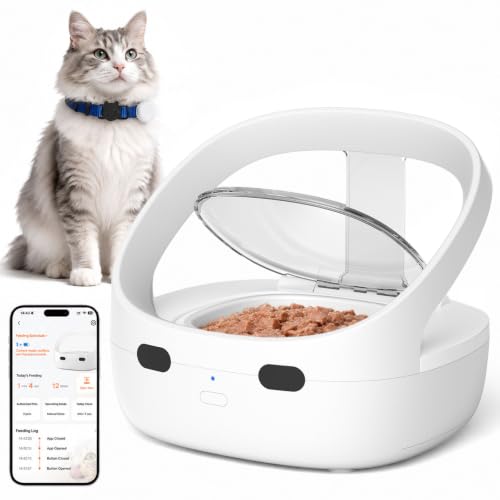
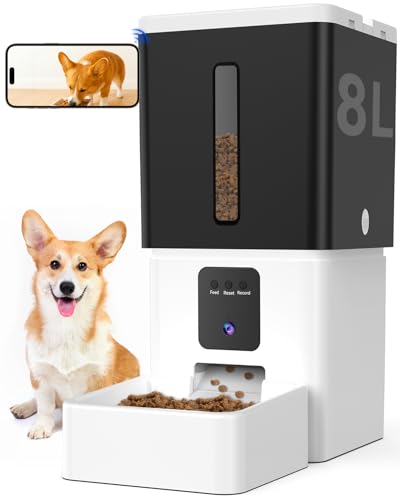
Choosing the right selective access dog feeder depends on your pets’ needs and your lifestyle. For households with microchipped pets that require strict diet control, the Sure Petcare -SureFlap – SureFeed offers reliable microchip recognition and wet food compatibility. If you want an affordable, elevated feeder with easy portioning and anti-clog design, the MUBBI Automatic Dog Feeder with Elevated Stand is a fantastic choice. Both models will bring peace to your mealtime routine.
Related Guides
- Top Dog Feeders for Picky Eaters
- How to Prevent Automatic Feeder Jams
- How Does an Automatic Pet Feeder Work
Frequently Asked Questions
How do selective access dog feeders work?
Selective feeders use a microchip reader or RFID collar tag to identify your pet. When the assigned pet approaches, the lid opens, allowing access to the food. Once the pet moves away, the lid closes, preventing other animals from stealing the meal.
Can I use a selective feeder for both cats and dogs?
Yes, many feeders work for both cats and small to medium dogs. However, check the bowl size and kibble compatibility. Some feeders are designed specifically for dry food, while others handle wet food as well. The SureFeed model is suitable for both wet and dry food.
Are selective feeders worth it for a single pet?
Even with one pet, a selective feeder can help with portion control and prevent overeating. It also keeps food fresh and can be useful if you have occasional visitors with pets. However, the main benefit shines in multi-pet homes.
How do I program a microchip feeder?
Programming varies by model. Typically, you press a button to enter pairing mode, then hold your pet’s microchip or collar tag near the reader until the feeder beeps. The device stores the ID. Repeat for each pet. For detailed instructions, refer to the manual or visit the Automatic Feeders category for additional resources.