
You come home to find a stray cat helping itself to your pet’s food bowl, or your dog has scratched the door frame trying to get out. If you are weighing an automatic pet door against a manual flap, you are not alone. This guide compares four top models to help you decide which system fits your home, your pet, and your peace of mind. We cover sensor technology, installation, security, and ease of use so you can make an informed choice.
For more category comparisons, see our Comparisons hub. And if you are new to pet tech, start with our Pet Tech Guides for a broader overview.

Buying Guide
Sensor Technology: Ultrasonic vs RFID vs Collar Key
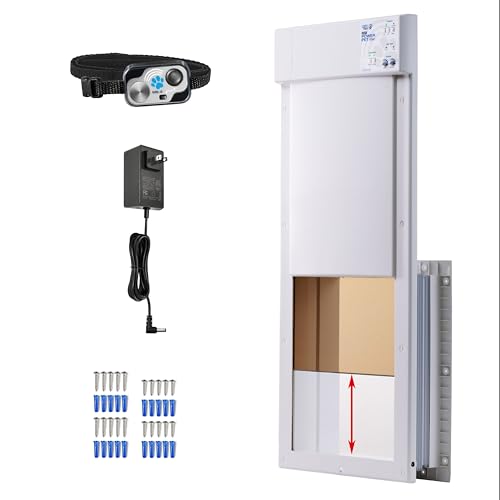
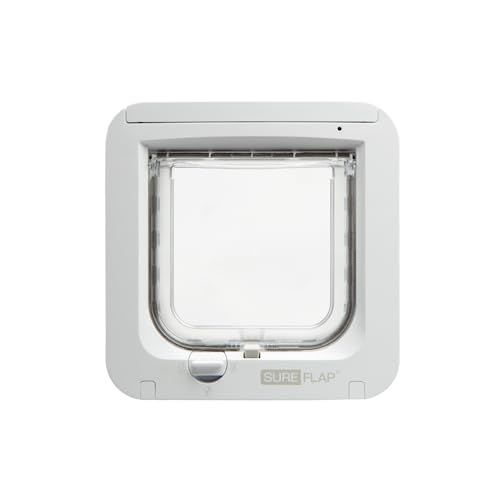
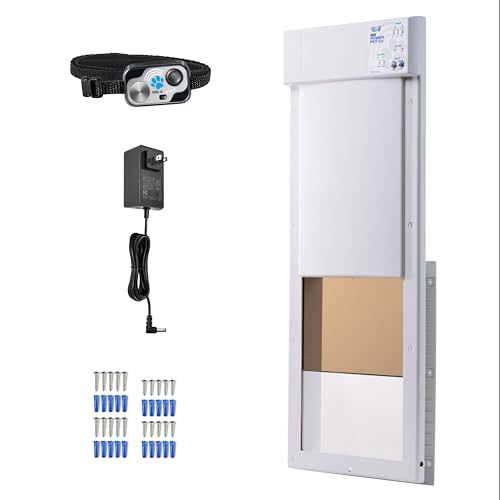
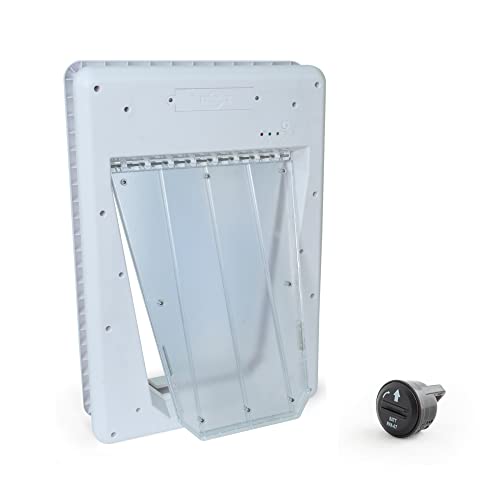
The core difference between automatic and manual pet doors is how they grant access. Manual flaps rely on your pet pushing through, which invites unwanted animals. Automatic doors use sensors to recognize only your pet. The Power Pet Automatic Pet Door, Large Door Mount uses an ultrasonic collar (MS-5) that triggers the door only when your pet approaches directly. This reduces false openings from nearby animals. In contrast, the PetSafe Electronic Pet Door, Collar Key Sensor uses a radio frequency key worn on the collar. RFID models like the Smart Cat Door with 4 Collar Sensor Key work similarly but are often designed for smaller pets. The Automatic Dog Door for Wall with Sensor Collars offers adjustable sensing range, which is handy for shy or energetic dogs.
Installation and Placement: Door vs Wall
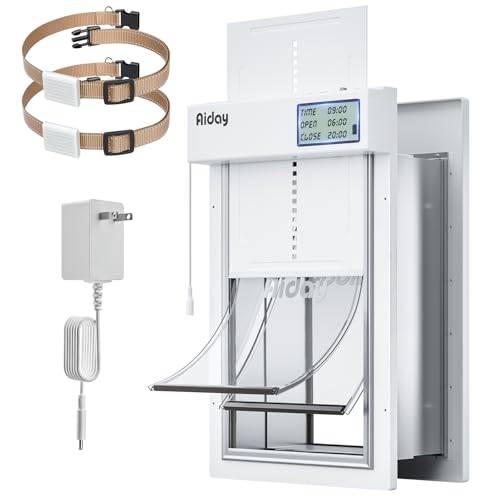
Manual pet doors are typically cut into a door or wall, but automatic models add complexity. The Power Pet door is a door-mount unit, while the Aiday model is built for wall installation with an expandable tunnel (4.1 to 7.1 inches). The PetSafe Electronic Pet Door installs in an interior/exterior door and can be adapted for walls with a separate kit. The CUIBIRD cat door is designed for interior doors, ideal for separating litter boxes or feeding areas. Consider your home’s structure before choosing. For wall installations, the Aiday unit requires a 11.2×18.1-inch opening. Always measure twice and check for studs or wiring.
Security and Weatherproofing
Automatic doors offer superior security compared to manual flaps. The Power Pet door features an automatic steel dead bolt lock that engages after each use, blocking intruders and strays. It also has an anti-pinch safety system. The Aiday model includes magnetic seals and steel-reinforced flaps for weather resistance, plus anti-pinch protection that reverses if your pet lingers. The PetSafe door locks automatically and works with up to five collar keys, so you control exactly which pets come in. The CUIBIRD door uses a 4-way locking system (in, out, both, locked) and is best for indoor use where weather is less of a concern.
Power and Battery Options
Manual doors require no power, but automatic models need electricity or batteries. The Power Pet door runs on an AC adapter with an optional rechargeable battery backup for outages. The Aiday unit plugs into a standard outlet (extension cord included) for continuous power. The PetSafe door operates on four D-cell batteries (not included), making it easy to install without wiring. The CUIBIRD cat door is also battery-powered, which simplifies placement. If you live in an area with frequent power failures, a battery-operated or backup-capable model might be your best bet. Check our Pet Tech Guides for more tips on power reliability.
Final Thoughts
Choosing between an automatic and a manual pet door comes down to your priorities: convenience, security, and your pet’s habits. If you want the highest level of security with a dead bolt lock and ultrasonic collar recognition, the Power Pet Automatic Pet Door, Large Door Mount is a solid choice, especially as a factory-refurbished unit with a full warranty. For a more affordable electronic option that works with multiple pets and runs on batteries, the PetSafe Electronic Pet Door, Collar Key Sensor offers reliable selective entry without the need for wiring. Both models outperform any manual flap by keeping strays out and giving you control over your pet’s comings and goings.
Related Guides
Frequently Asked Questions
How does an automatic pet door work?
An automatic pet door uses a sensor worn on your pet’s collar to detect when they approach. The sensor triggers a motor that unlocks and opens the flap. Some models use ultrasonic signals, others use RFID or radio frequency. The door closes and locks after your pet passes through, preventing other animals from entering.
Are automatic pet doors safe for my pet?
Yes, modern automatic pet doors include safety features like anti-pinch sensors that reverse the door if an obstruction is detected. Models like the Power Pet and Aiday doors have auto-retract systems to protect paws and tails. Always choose a door with certified safety mechanisms and follow installation instructions carefully.
Can I install an automatic pet door in a wall?
Some automatic pet doors are designed specifically for wall installation, such as the Aiday Automatic Dog Door for Wall with Sensor Collars. Others, like the PetSafe Electronic Pet Door, are primarily for doors but can be adapted with a wall installation kit. Check the product specifications for tunnel length and required opening size before cutting into your wall.
What is the difference between RFID and ultrasonic pet doors?
RFID pet doors use a radio frequency tag on the collar to unlock the flap. They are common in models like the CUIBIRD Smart Cat Door. Ultrasonic pet doors, like the Power Pet, use a high-frequency sound signal from the collar. Both are effective, but ultrasonic can be more directional, reducing false triggers from pets resting near the door. For a detailed comparison, visit our Comparisons page.