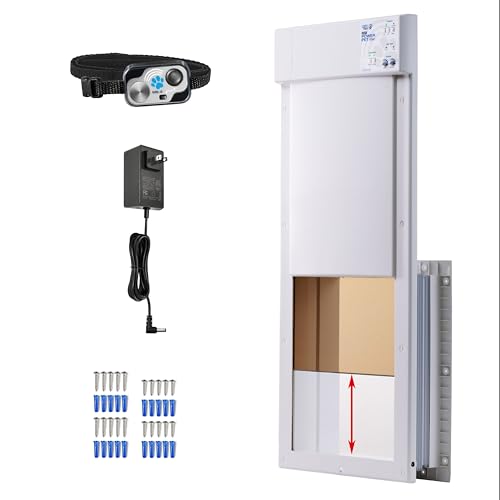

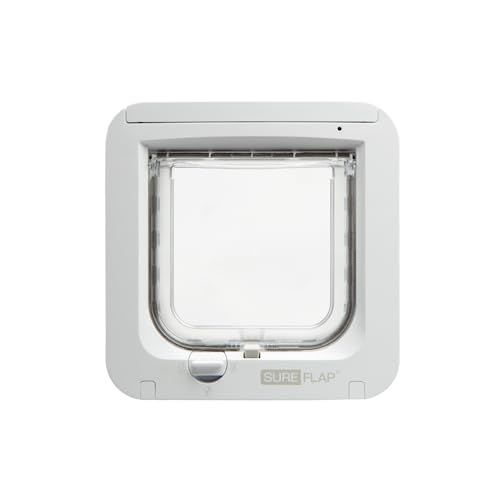
You have a cat that loves the outdoors, but you worry about stray animals slipping inside when you are not watching. A selective entry pet door can solve this problem by allowing only your pet to come and go. This guide compares two leading options: the SureFlap Microchip Cat Flap and the PetSafe SmartDoor Connected Pet Door. By the end, you will know which one fits your home and your cat’s habits. If you are exploring other pet tech solutions, our Pet Tech Guides cover a wide range of smart devices.

Buying Guide
Selective Entry Technology
The core of any smart pet door is how it identifies your pet. The SureFlap uses RFID to read your cat’s implanted microchip. It screens on entry only, meaning it checks the chip when your cat tries to come in. The PetSafe SmartDoor goes a step further by pairing with your phone via the My PetSafe app. It can also read microchips, but its main strength is app control. You decide which pets are allowed and when, even from a distance.
Both doors keep unwanted animals out, but the PetSafe model gives you more direct oversight. If you value simplicity and a proven microchip reader, the SureFlap is a reliable choice. For those who want remote locking and scheduling, the SmartDoor offers modern convenience.
Installation and Compatibility
Before buying, check your door or wall type. The SureFlap fits openings in doors, windows, or walls with optional accessories. Its flap size is 4 3/4 inches high by 5 5/8 inches wide, ideal for cats. The PetSafe SmartDoor comes in a medium size that suits both cats and small dogs. Installation is straightforward for both, but the SmartDoor requires a Wi-Fi connection for full app features.
If your cat does not have a microchip, the SureFlap offers programmable collar tags sold separately. The PetSafe SmartDoor works with microchips and also includes a physical key for pets without chips. Review our Comparisons category for more installation tips.
Battery Life and Power
Battery performance matters for a device that runs 24/7. The SureFlap uses four AA alkaline batteries and lasts up to 12 months, depending on use. A low battery indicator flashes red when it is time to replace them. The PetSafe SmartDoor also runs on batteries, but its Wi-Fi and app connectivity can drain power faster. You will receive smartphone notifications when the battery is low, so you are never caught off guard.
If you prefer a set-and-forget solution, the SureFlap’s long battery life is a plus. The SmartDoor’s alerts give you more control but require occasional recharging or battery swaps.
Weather Sealing and Security
A pet door should keep your home comfortable and secure. The PetSafe SmartDoor features dynamic weather sealing and a multi-point locking mechanism. This reduces drafts and helps lower energy bills. The SureFlap has a basic flap design that works well in mild climates, but it lacks the advanced sealing of the SmartDoor. For security, both doors lock automatically when not in use, but the SmartDoor lets you lock it remotely via the app.
If you live in an area with extreme temperatures, the PetSafe model offers better insulation. The SureFlap is sufficient for moderate weather and still prevents intruders from pushing through.
Final Thoughts
Choosing between these two smart pet doors comes down to your lifestyle. If you want a straightforward, reliable microchip reader that works for years without fuss, the SureFlap – Sure Petcare Microchip Cat Flap, White is a fantastic choice. It is proven, battery efficient, and easy to program. If you prefer app-based control, remote locking, and customizable schedules for multiple pets, the PetSafe SmartDoor Connected Pet Door delivers modern convenience with strong weather sealing. Both products keep your cat safe and your home secure, so pick the one that matches how you like to manage your pet’s comings and goings.
Related Guides
Frequently Asked Questions
Can a smart pet door work with any microchip?
Most smart pet doors, including the SureFlap and PetSafe SmartDoor, are compatible with common microchip frequencies (9, 10, and 15 digit numbers). Check your pet’s microchip number with your veterinarian to confirm. If your cat does not have a chip, both brands offer alternative identification like collar tags or keys.
Do I need Wi-Fi for a smart pet door?
Only the PetSafe SmartDoor requires Wi-Fi for app features like remote locking and notifications. The SureFlap Microchip Cat Flap works independently without an internet connection. If you prefer a simpler setup, the SureFlap is ideal. For remote control, the SmartDoor needs a stable Wi-Fi network.
How long do the batteries last in these pet doors?
The SureFlap can run up to 12 months on four AA alkaline batteries. The PetSafe SmartDoor battery life varies with usage and Wi-Fi activity; you will receive app alerts when the battery is low. Both use standard batteries, but the SmartDoor may need more frequent changes depending on how often you use the app.
Can I install a smart pet door in a window or wall?
Yes, both models can be installed in doors, windows, or walls with appropriate accessories. The SureFlap offers optional kits for different surfaces. The PetSafe SmartDoor includes installation templates for standard doors. For custom installations, consult a professional to ensure a proper fit. Our Pet Tech Guides provide additional installation advice.