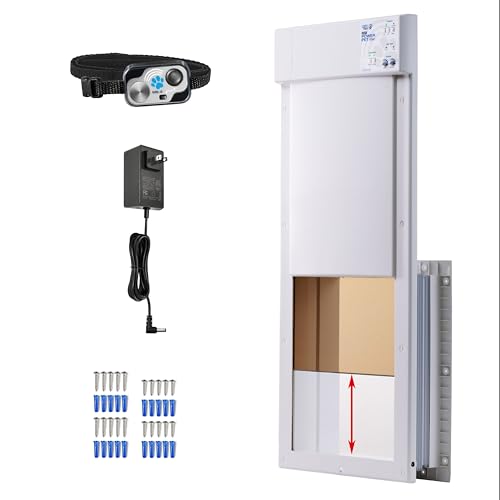

You love giving your cat or dog the freedom to come and go, but you worry about stray animals slipping inside. Smart pet doors solve that with selective entry, but they use different technologies. Some rely on your pet’s implanted microchip, while others use a collar sensor. Which one is right for you? In this guide, we compare four top-rated products from brands like SureFlap, iGuardPaw, Aiday, and CUIBIRD. We break down how each system works, who it suits best, and what to consider before buying. For more side-by-side comparisons, visit our Comparisons hub.
Whether you have a microchipped cat that needs a flap or a large dog that responds better to a collar tag, this review covers the key differences. We evaluated each product on security, ease of installation, power source, and pet compatibility. By the end, you will know exactly which smart pet door fits your home and lifestyle.


Buying Guide
Access Control Technology: Microchip vs Collar Sensor
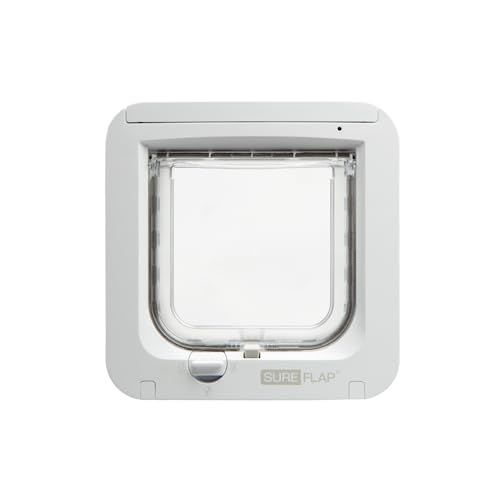
The core difference lies in how the door identifies your pet. Microchip doors, like the SureFlap Microchip Cat Flap, read your pet’s implanted ID chip. This eliminates the need for a collar, which is ideal for cats that dislike wearing one. However, microchip readers only work on entry, not exit, so they prevent intruders from coming in but do not stop your pet from leaving.
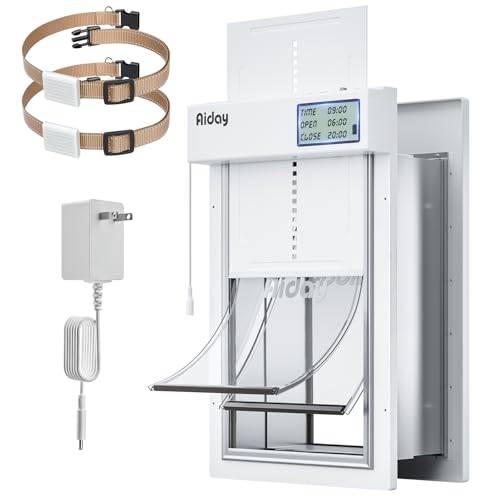
Collar sensor doors use a radio frequency tag on a collar. Products like the iGuardPaw Automatic Dog Door for Door and the Automatic Dog Door for Wall with Sensor Collars unlock both ways. This gives you full control over entry and exit. Collar sensors also allow you to set curfews and timers, which is great for managing when your pet goes outside.
Installation and Fit: Door vs Wall Mounting
Where you plan to install the pet door matters. The iGuardPaw model fits doors 1 1/4 to 2 3/16 inches thick and requires a specific cutout. The Aiday door is designed for walls with an expandable tunnel that adjusts from 4.1 to 7.1 inches. The CUIBIRD smart cat door is meant for interior doors, making it perfect for separating rooms like a litter box area.
If you are handy with tools, all these doors come with templates and step-by-step instructions. But if you prefer a simpler setup, the SureFlap microchip flap is battery-powered and can be installed in doors, windows, or walls with the right accessories. For more general advice on pet tech installations, check our Pet Tech Guides.
Power Source and Maintenance
Battery-powered doors, like the SureFlap, are easy to place anywhere but require periodic battery changes (estimated up to 12 months). The Aiday and iGuardPaw models plug into a wall outlet, giving you worry-free continuous power. The CUIBIRD door uses batteries as well, but it is designed for low-traffic indoor use. Consider your willingness to replace batteries versus running a power cord.
All doors feature weather seals or magnetic closures to reduce drafts. The iGuardPaw and Aiday models have soft-close or anti-pinch mechanisms, which are safer for pets that linger in the opening.
Pet Size and Compatibility
Not all smart doors fit every pet. The SureFlap microchip flap has a small opening (4.75 by 5.625 inches) suitable only for cats. The iGuardPaw has a larger flap (9 by 14.5 inches) that works for medium dogs. The Aiday door is the largest, with a 10.2 by 15.6 inch opening, supporting dogs up to 100 pounds. The CUIBIRD door is also cat-sized but works well for indoor separation.
Measure your pet’s height and width before choosing. A door that is too small will discourage use, while one that is too large may let in drafts. Most brands list the flap dimensions clearly.
Final Thoughts
Choosing between a microchip and a collar sensor door comes down to your pet’s habits and your home layout. For cat owners who want a collar-free solution with proven reliability, the SureFlap Microchip Cat Flap is a trusted choice. If you have a large dog or need curfew scheduling, the iGuardPaw Automatic Dog Door for Door offers robust security and a soft-close flap. Both products deliver peace of mind and let your pet enjoy the outdoors safely.
Related Guides
Frequently Asked Questions
Can a microchip pet door work with any microchip?
Most microchip doors are compatible with common 9, 10, and 15 digit microchip formats. The SureFlap cat flap reads Avid Secure, FDXA, and FDXB chips. If your pet has a different chip, you can use a programmable collar tag sold separately. Always check your pet’s microchip number with your vet before purchasing.
Will a collar sensor door work if my pet loses the collar?
If the collar is lost, the door will not open for that pet. That is why many collar sensor doors come with two collars as backup. The Aiday and iGuardPaw models include two sensor collars. You can also buy replacement collars. For pets that frequently lose collars, a microchip door might be a better option.
Can I install a smart pet door in a metal door or wall?
Metal surfaces can interfere with RFID signals. The CUIBIRD smart cat door explicitly warns that installation in a metal door or wall may affect tag reading. For metal doors, consider a microchip door like the SureFlap, which uses a different frequency. Alternatively, install the door in a wooden panel or use a non-metallic adapter.
How do I set a curfew on a collar sensor pet door?
Many collar sensor doors have a timer or curfew mode. For example, the iGuardPaw door lets you set specific hours when the door unlocks. The Aiday door also has custom scheduling. You can allow daytime freedom and block access at night. Check the product manual for exact steps, but most models have simple button controls or a display menu.