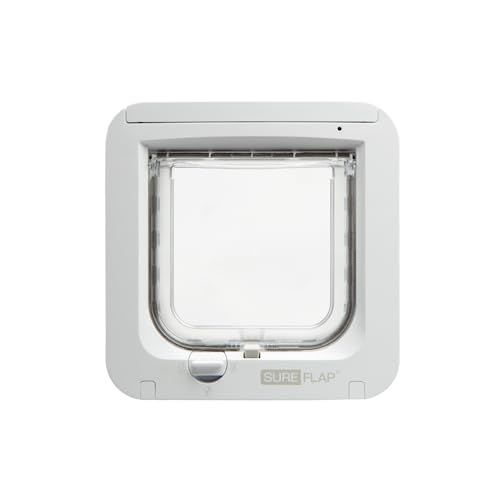

You love your pet, but you don’t love the draft that sneaks in every time they use their standard pet door. Whether it’s the bitter cold of winter or the scorching heat of summer, a poorly insulated door can wreak havoc on your energy bills and your comfort. In this comparison, we pit a weatherproof pet door against a standard model to help you decide which one keeps your home comfortable and your pet happy. We’ll look at two top options from PetSafe: the PetSafe Extreme Weather Plastic Dog Door and the PetSafe Extreme Weather Sliding Glass Pet Door. If you’re torn between these two or just starting your search, this guide will give you the clarity you need. For more buying advice, check out our Comparisons category.

Buying Guide
Insulation and Energy Efficiency
One of the biggest differences between a weatherproof pet door and a standard one is insulation. Weatherproof models, like the two we’re reviewing, use multiple flaps and weather stripping to keep outside air where it belongs: outside. The standard single-flap doors often let in drafts, making your HVAC system work harder. Look for doors with at least two flaps and magnetic seals for a tighter closure. The PetSafe Extreme Weather doors boast a three-flap system that significantly reduces energy loss.
Installation and Compatibility
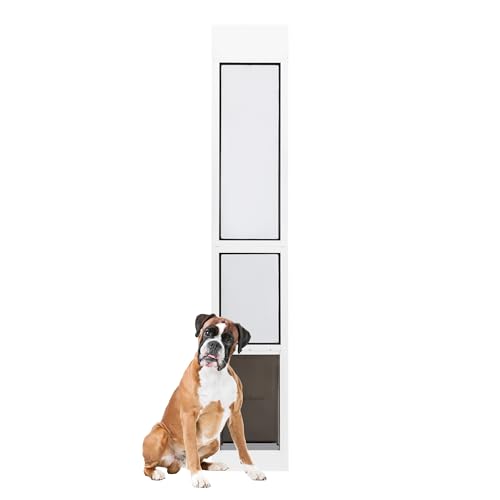
Not every pet door fits every home. Standard pet doors are usually designed for wooden doors, while weatherproof options may also work with sliding glass doors or walls. The PetSafe Extreme Weather Plastic Dog Door installs in standard paneled doors up to 2 1/4 inches thick. The Sliding Glass version is perfect for renters since it uses adhesive strips and can be removed easily. If you have a sliding glass door, that model is your only viable choice. For more installation tips, visit our Pet Tech Guides.
Security and Pet Access Control
A pet door should let your pet in and out while keeping unwanted guests out. Both PetSafe models come with a snap-on closing panel to block access when you want. The Sliding Glass version also includes a security bar for extra protection. Standard doors often lack these features. If you live in an area with wildlife or have concerns about intruders, opt for a door with a lockable panel. You can learn more about pet security in our Comparisons category.
Durability and Climate Range
Weatherproof pet doors are built to handle extreme temperatures, from minus 10 degrees to 100 degrees Fahrenheit. The three-flap system in the PetSafe models adds an extra layer of insulation. Standard doors may crack or warp in extreme cold or heat. The plastic frames on these PetSafe doors are paintable to match your home and are durable enough for daily use. For a long-term investment, a weatherproof door is the clear winner.
Final Thoughts
If you want maximum energy efficiency and your pet uses a standard door, the PetSafe Extreme Weather Plastic Dog Door is an excellent choice with its three-flap system and paintable frame. For renters or those with a sliding glass door, the PetSafe Extreme Weather Sliding Glass Pet Door offers easy installation and the same insulating performance. Both doors are built to withstand harsh climates and give you peace of mind. Whichever you pick, you’ll be upgrading from a standard drafty door to a weatherproof solution that saves energy and keeps your home comfortable year-round.
Related Guides
- High Tech Pet Door vs Microchip Pet Door
- SureFlap vs PetSafe SmartDoor
- Best Automatic Pet Doors with Automatic Lock: Reviewed for 2026
Frequently Asked Questions
How does a weatherproof pet door differ from a standard one?
A weatherproof pet door typically has multiple insulated flaps and weather stripping to block drafts, while a standard door usually has a single flap and minimal insulation. The weatherproof version can handle temperature extremes from minus 10 to 100 degrees Fahrenheit, making it suitable for year-round use in most climates. In 2026, many homeowners are upgrading to weatherproof models for better energy savings.
Can I install a weatherproof pet door in a sliding glass door?
Yes, specifically the PetSafe Extreme Weather Sliding Glass Pet Door is designed for that. It fits into the existing track and uses adhesive strips for a no-drill installation, which is ideal for renters. It also includes a security bar to lock the door. For more details, check our Pet Tech Guides.
Do weatherproof pet doors work in very cold climates?
Absolutely. The PetSafe Extreme Weather doors are rated for temperatures as low as minus 10 degrees Fahrenheit. The three-flap system and magnetic seals help retain heat inside. Many users in northern states have confirmed they notice a significant reduction in drafts compared to standard doors.
Are weatherproof pet doors more expensive than standard ones?
While we don’t list prices here, weatherproof models generally cost more due to their advanced insulation and construction. However, the energy savings over time can offset the initial investment. Standard doors are cheaper upfront but may lead to higher heating and cooling costs. For a detailed cost comparison, visit our Comparisons category.