

If your dog or cat loves to roam the backyard but you dread the drafts, rain, or heat sneaking in through a standard pet door, you are not alone. Many pet parents face the challenge of keeping their home comfortable while giving their furry friends the independence they crave. That is where a weatherproof pet door comes in. These specially designed doors use insulated flaps, magnetic seals, and durable materials to block the elements while letting your pet come and go freely. In this guide, we review four top-rated weatherproof pet doors for 2026, covering options for standard doors, sliding glass doors, and even small pets. Whether you need a heavy-duty solution for extreme climates or a budget-friendly cat door, we have you covered.
For more on energy-saving pet access, check out our insulated pet door reviews.

![[Petoasis] Dog Door for Sliding Glass Door,Upgrade Magnetic 3 Flap Extreme](https://m.media-amazon.com/images/I/41J6m8P5XvL._SL500_.jpg "[Petoasis] Dog Door for Sliding Glass Door,Upgrade Magnetic 3 Flap Extreme")
Buying Guide: What to Look for in a Weatherproof Pet Door
Flap Design and Insulation
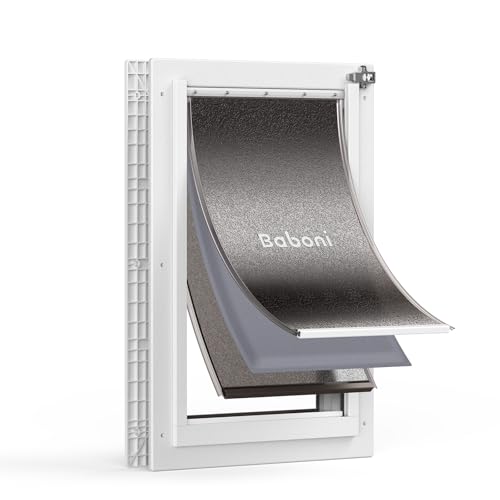
The flap is the first line of defense against weather. Single-flap doors are basic, but three-flap systems like those found on the PetSafe Extreme Weather Plastic Dog Door and the Baboni Dog Door provide superior insulation. The center insulated flap acts as a thermal barrier, keeping hot air out in summer and cold air out in winter. Magnetic closures on some models further seal the opening, preventing drafts even in strong winds. For extreme climates, look for a door rated for temperatures as low as -10°F or as high as 100°F.
For a deeper look at energy-efficient options, visit our best insulated pet door reviews.
Installation Method and Compatibility
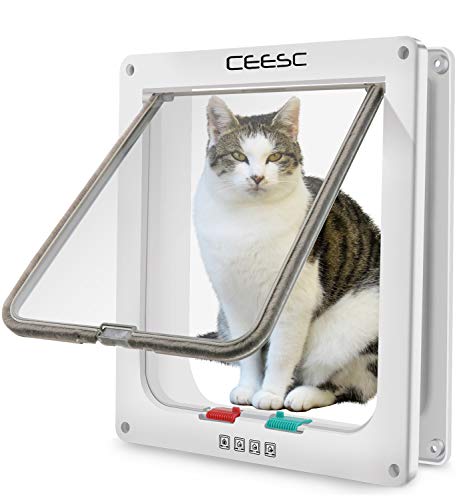
Weatherproof pet doors come in two main installation types: those that cut into an existing door and those that fit into a sliding glass door frame. The PetSafe and Baboni models require cutting a hole in your door, which is a permanent modification. The Petoasis Sliding Glass Door insert, on the other hand, slides into the track without drilling, making it ideal for renters or those who want a temporary solution. Always measure your door thickness, flap height, and pet size before purchasing. The CEESC cat door is designed for thinner doors and walls, making it versatile for small spaces.
Pet Size and Access Control
Not all weatherproof doors fit every pet. The PetSafe and Baboni models suit medium to large dogs up to 100 pounds, with flap openings around 10 by 16 inches. The Petoasis insert offers similar dimensions for sliding doors. For cats and small dogs under 25 pounds, the CEESC X-Large Cat Door is a perfect fit. Access control features also matter: some doors include locking panels or four-way switches to allow entry only, exit only, both, or fully locked. This is especially useful for keeping out strays or controlling your pet’s schedule.
If you are also considering automated pet care, you might find our pet automation device reviews helpful.
Durability and Materials
A weatherproof pet door must withstand daily use and exposure to sun, rain, and wind. Plastic frames should be UV-resistant and impact-resistant. The PetSafe door features a paintable plastic frame that can match your door color. The Baboni model uses thickened outdoor plastic for added strength. The Petoasis sliding door insert is made of aluminum alloy and tempered glass, offering superior durability and insulation. The CEESC door uses ABS plastic, which is lightweight yet sturdy. For long-term reliability, consider a model with a warranty or replacement flap service.
For more on smart pet access, see smart pet automation device reviews.
Final Thoughts
Choosing the right weatherproof pet door depends on your home’s door type, your pet’s size, and your climate. For most households with standard doors, the PetSafe Extreme Weather Plastic Dog Door offers excellent insulation and a trusted brand reputation. If you have a sliding glass door and want a renter-friendly installation, the [Petoasis] Dog Door for Sliding Glass Door,Upgrade provides durable aluminum construction and a three-flap magnetic seal. Both models will keep your home comfortable while giving your pet the freedom they deserve.
Related Guides
Frequently Asked Questions
How do I measure my pet for a weatherproof door?
Measure your pet’s height from the floor to the top of the back, and their width at the widest point (usually the chest). Add a few inches to both dimensions to ensure comfortable passage. The flap opening should be at least 2 inches taller and wider than your pet’s measurements.
Can I install a weatherproof pet door in a metal or PVC door?
Yes, many models like the PetSafe Extreme Weather door are designed to fit standard paneled doors, including wood, metal, and PVC. Check the door thickness range (usually 1 3/8 to 2 1/4 inches) and use the provided template for cutting. For sliding glass doors, use an insert model that fits the track.
Do weatherproof pet doors work in extreme cold or heat?
Yes, the best models are rated for temperatures from -10°F to 100°F. The three-flap design with an insulated center flap significantly reduces heat transfer. Magnetic closures also help seal the opening. For additional protection, some doors accept a second closing panel for extra insulation during harsh weather.
Are sliding glass door pet doors secure against intruders?
High-quality sliding glass door inserts like the Petoasis model feature aluminum alloy frames and locking mechanisms that prevent the door from being lifted off the track. The flaps have double magnetic closures that resist being pushed open by wind or unwanted animals. For added security, use the included lock to restrict pet access when you are away. For more on pet door security, read our motorized cat door reviews.


