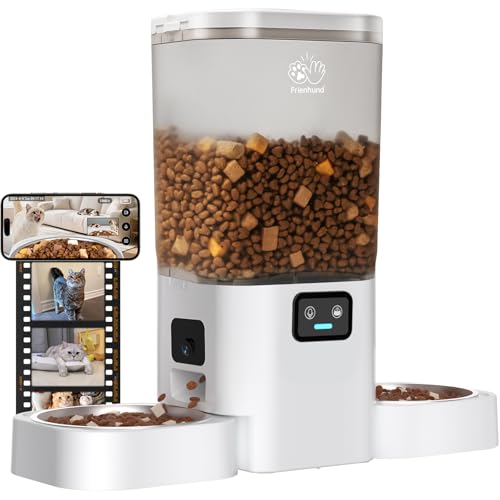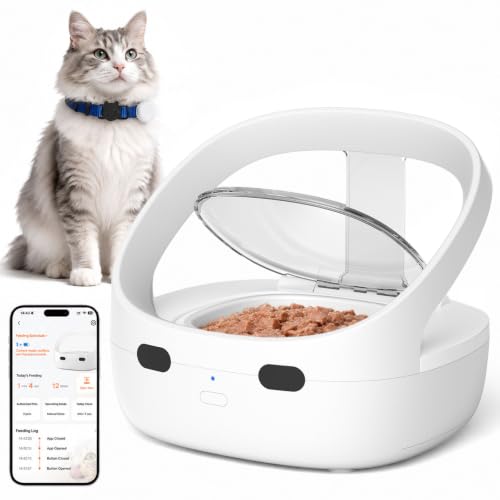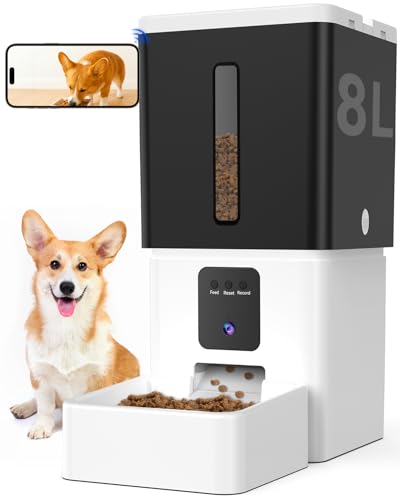

If you share your home with multiple cats, you know the struggle of keeping each one on their prescribed diet. One cat may need a kidney-support formula while another requires weight management kibble, and a third steals from both bowls. RFID feeders solve this by opening only for the cat wearing a paired tag or microchip, ensuring every meal goes to the right pet. In this guide, we review the best RFID feeders for multiple pets that excel at handling prescription diets.


Buying Guide
RFID Compatibility: Microchip vs. Collar Tag
Not all RFID feeders work the same way. Some read your cat’s implanted microchip (125 kHz or 134.2 kHz), which is ideal if you want zero extra gear. Others rely on a lightweight collar tag that you attach to each cat’s collar. The Invengo RFID Automatic Cat Feeder supports both microchip and collar tag, giving you flexibility. The PETLIBRO and HEAPETS models use collar tags only, which may require an adjustment period for collar-averse cats. For a deeper look at compatibility, check our guide to RFID multi-pet feeders.
Diet Tracking and App Features
When managing prescription diets, knowing who ate what and when is crucial. Feeders with app connectivity log each cat’s meals and send alerts for low food or jammed kibble. The Invengo feeder offers detailed daily and weekly reports you can share with your vet. The PETLIBRO feeder tracks portions per cat through its app, while the Vancpet model stores Bluetooth feeding records. These insights help you spot appetite changes early. For more options, browse our best smart feeders for mixed pet homes.
Anti-Clog and Food Preservation
Prescription kibble can be dense or irregularly shaped, making jams a real concern. Look for feeders with dual sensors that monitor both food level and clogs. The Invengo feeder has smart dual sensors that notify you before the bowl runs empty. The HEAPETS models feature a sealed lid that keeps dry kibble crunchy and slows spoilage for wet food. Airtight storage also prevents pests from contaminating expensive prescription diets.
Ease of Cleaning
Wet or dry, prescription diets can leave residue. Removable bowls and smooth surfaces make cleaning faster and reduce bacterial buildup. The HEAPETS and PETLIBRO feeders have detachable food-grade bowls that wash easily by hand. The Invengo feeder’s simple design also wipes clean quickly. Regular cleaning keeps your feeder working reliably and your cats healthy. For more tips, visit our multi-pet feeders category.
Final Thoughts
After evaluating these five RFID feeders, we recommend the Invengo RFID Automatic Cat Feeder for its precise microchip and collar tag compatibility, detailed app diet tracking, and dual anti-clog sensors—making it the best choice for strict prescription management. For a more budget-friendly option that still offers reliable collar-tag recognition and airtight food storage, the HEAPETS RFID Automatic Cat Feeder with Collar is an excellent value. Both models will help you maintain separate diets and reduce mealtime stress in your multi-cat home.
Related Guides
- Best RFID Feeders for Separate Meals in 2026
- Multi Pet Feeder vs Single Pet Feeder
- Smart Feeder vs Microchip Feeder
Frequently Asked Questions
Can RFID feeders work with cats that don’t wear collars? Some models, like the Invengo feeder, read your cat’s implanted microchip, so no collar is needed. Others require a collar tag. Check product specifications before buying.
How do I train my cat to use an RFID feeder? Most feeders include a manual override button for initial training. Place a treat near the bowl and let your cat approach naturally. Within a few days, most cats learn to associate the feeder with their own meal. For tips, see our guide to multi-pet feeders for mixed homes.
Will an RFID feeder work if the power goes out? Many models have battery backup. The PETLIBRO feeder includes backup battery power to keep feeding on schedule during outages. Always check the product details for battery options.
Can I use an RFID feeder for wet food? Yes, but only models with sealed lids or ice pack compartments are suitable. The HEAPETS and Vancpet feeders have airtight lids that keep wet food fresher between meals. Do not leave wet food in the bowl for more than a few hours.