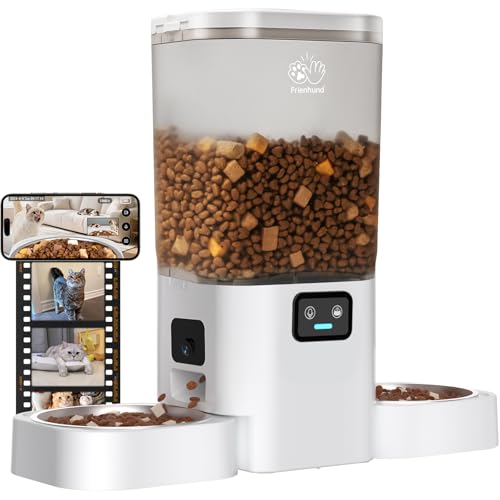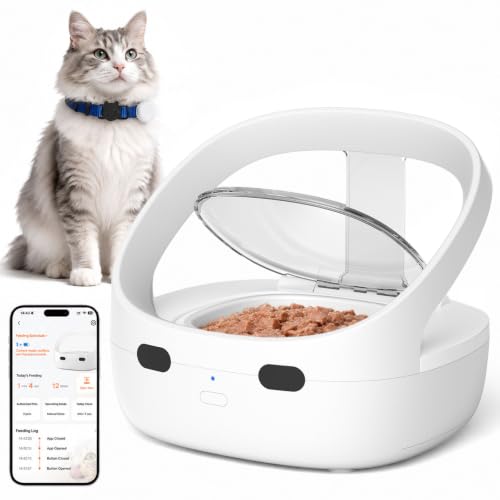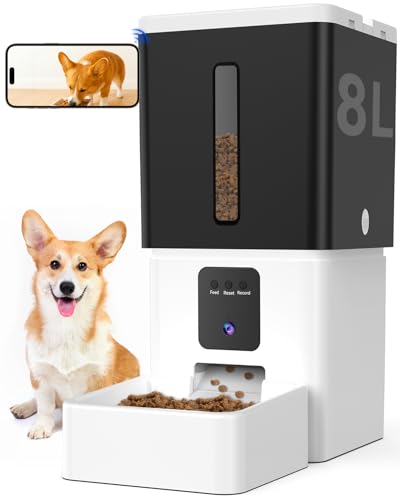

How long does automatic pet feeder food last? The answer varies from a few hours to several days, depending on the feeder’s capacity, the type of food you use, and the conditions where the feeder sits. As of 2026, most dry-food feeders can hold enough kibble for two to five days of scheduled meals, while wet or semi-moist food lasts only a few hours before spoiling. Understanding these factors helps you choose the right feeder and schedule for your pet without wasting food or risking freshness.
Feeder Capacity and Portion Size
The size of your feeder’s hopper or reservoir directly determines how much food it can hold. Small models may hold only one or two cups, lasting a day or two for a small dog, while larger units can hold ten cups or more, stretching to a week for a cat or small breed.
Your portion settings also matter. If you program multiple small meals per day, the same amount of food lasts fewer days than if you set fewer, larger meals. Always match the feeder’s capacity to your pet’s daily intake to avoid running out or overfilling.
Type of Food: Dry, Wet, or Semi-Moist
Dry kibble is the most common choice for automatic feeders because it stays fresh for days without refrigeration. In a sealed feeder, dry food can remain palatable for up to a week, though some owners prefer to refill every three to four days for peak freshness.
Wet food, on the other hand, spoils quickly once opened. Even in a feeder with an ice pack or cooling compartment, wet food should not sit out longer than four to six hours. Semi-moist foods fall in between, lasting roughly 12 to 24 hours before they dry out or attract bacteria.
Environmental Factors: Temperature and Humidity
Where you place the feeder affects food longevity. In a warm, humid kitchen, kibble can become stale or rancid faster than in a cool, dry spot. High humidity may cause dry food to clump or mold within a few days.
If your home stays above 80°F (27°C) or below 50°F (10°C), consider a feeder with a sealed container and avoid leaving wet food out at all. A stable, room-temperature environment gives you the longest window for dry food storage.
Feeder Design and Sealing Quality
Not all feeders seal equally. Models with a tight-fitting lid and rubber gasket keep air out, preserving dry food for several days. Open-top or poorly sealed feeders allow moisture and pests in, reducing food quality much sooner.
Some feeders include a desiccant pack or a replaceable silica gel cartridge to absorb humidity. Using these can extend the usable life of dry kibble by an extra day or two, especially in damp climates.
Food Freshness and Expiration Dates
Even the best feeder cannot keep expired food safe. Check the manufacturer’s “best by” date on the bag before loading the hopper. Stale or rancid kibble not only tastes bad but can cause digestive upset.
If you use a feeder for multiple days, consider rotating the food supply. Empty and clean the hopper completely before adding a new batch to prevent old crumbs from mixing with fresh kibble.
How to Make Automatic Feeder Food Last Longer
- Choose a feeder with a capacity that matches your pet’s daily intake for the number of days you need.
- Use only dry kibble for multi-day schedules; switch to wet food only for single meals.
- Place the feeder in a cool, dry area away from direct sunlight and heat sources.
- Select a feeder with a tight seal and replace any included desiccant packs regularly.
- Always check the expiration date on the food bag and avoid overfilling the hopper with old stock.
These steps cover the main factors that affect food longevity in an automatic feeder. For more detailed guidance on choosing the right feeder for your situation, browse our blog for additional tips and comparisons.
Frequently Asked Questions
Can I leave wet food in an automatic feeder overnight?
Wet food should not sit out longer than four to six hours, even in a feeder. Bacteria grow quickly at room temperature, so overnight feeding with wet food is not recommended unless the feeder has a built-in cooling system.
Does dry kibble go bad in a feeder after a few days?
Dry kibble can stay fresh for up to a week in a sealed feeder kept in a cool, dry place. After that, it may become stale or lose some nutritional value, but it rarely spoils completely unless moisture gets in.
How often should I clean my automatic pet feeder?
Clean the hopper and bowl every one to two weeks for dry food, and after each use for wet food. Regular cleaning prevents buildup of old crumbs, bacteria, and mold that can shorten food freshness.
Do automatic feeders work for multiple pets?
Yes, some feeders have multiple compartments or portion settings for different pets. However, food longevity depends on the total amount dispensed per day, so you may need a larger capacity model or more frequent refills.
Related Guides
- Best Smart Feeder with Camera Reviews for 2026
- How to Prevent Automatic Feeder Jams
- How Does an Automatic Pet Feeder Work
Closing Thoughts
How long automatic pet feeder food lasts comes down to feeder size, food type, and storage conditions. For most pet owners, dry kibble in a well-sealed feeder offers the best balance of convenience and freshness. If you are still deciding which feeder fits your routine, check out our blog for more insights on automatic feeding solutions.