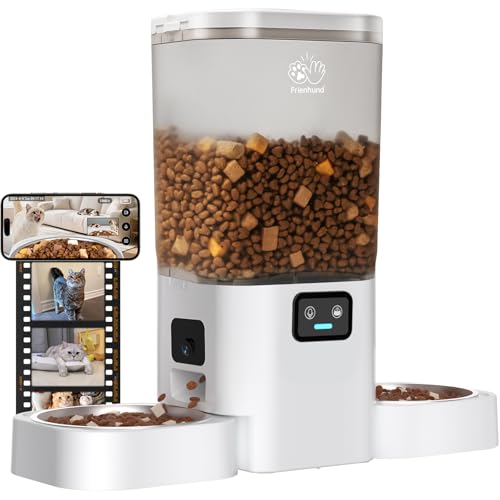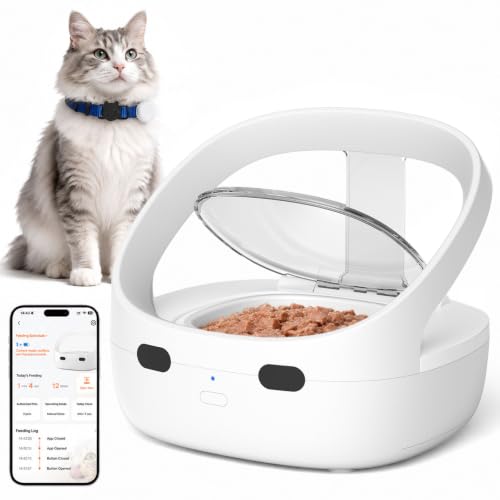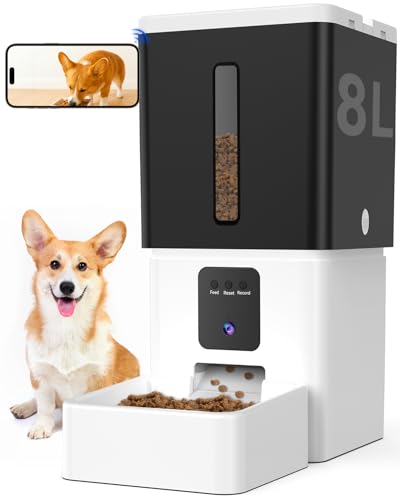

An automatic pet feeder should dispense food based on your pet’s specific dietary needs, not a one-size-fits-all schedule. For most adult dogs, two meals per day is standard, while cats often benefit from multiple small meals or free feeding if weight is not an issue. Puppies and kittens require more frequent meals, typically three to four times daily, and pets with medical conditions like diabetes or kidney disease may need a schedule prescribed by your veterinarian. The right frequency balances your pet’s nutritional requirements with your daily routine.
Your Pet’s Species and Age
Dogs and cats have different evolutionary eating patterns. Dogs are opportunistic feeders that do well with two measured meals per day, while cats are natural grazers that may prefer smaller, more frequent portions. Age also plays a major role: puppies under six months need three to four meals daily to support rapid growth and prevent hypoglycemia, and senior pets may need smaller, more frequent meals to aid digestion.
Health Conditions That Affect Feeding Frequency
If your pet has a medical condition, your veterinarian’s advice overrides any general guideline. Diabetic pets require meals spaced at precise intervals to match insulin injections, often every 12 hours. Pets with kidney disease, hyperthyroidism, or gastrointestinal issues may need three or four small meals per day to maintain stable energy levels and reduce vomiting or diarrhea. An automatic feeder can be a lifesaver for managing these schedules.
Activity Level and Metabolism
A highly active working dog or a young, playful cat burns calories faster than a sedentary indoor pet. If your pet is very active, you may need to increase feeding frequency to prevent hunger between meals, or offer a slightly larger portion size at each meal. Conversely, a low-activity pet prone to weight gain may do better on fewer, controlled meals to avoid overeating.
Your Daily Schedule and the Feeder’s Capabilities
Automatic feeders vary in how many meals they can schedule per day, from two to six or more. Your own schedule also matters: if you work long hours or travel, you might program the feeder to dispense a breakfast, a lunch, and a dinner to mimic your presence. The goal is to maintain a consistent routine that matches the times you would normally feed your pet yourself.
Grazing Versus Scheduled Meals
Some pet owners prefer free feeding, where the feeder dispenses a full day’s portion in the morning and the pet eats at will. This works well for cats that self-regulate, but can lead to obesity in dogs or overeaters. Scheduled meals, where the feeder releases portions at set times, give you better control over portion size and can help with weight management. The choice depends on your pet’s eating habits and your willingness to monitor intake.
Transitioning to a New Schedule
When you change your pet’s feeding frequency, do it gradually over several days to avoid digestive upset. Start by shifting meal times by 15 to 30 minutes each day, and adjust the portions so the total daily food amount stays the same. Watch for signs of hunger or discomfort, and consult your vet if you have concerns.
How to Set the Right Feeding Frequency
- Determine your pet’s species, age, and health status, then consult your veterinarian for a recommended meal frequency.
- Choose an automatic feeder that supports the number of meals you need per day.
- Program the feeder to dispense food at consistent times that align with your daily routine.
- Monitor your pet’s weight and behavior for a week, and adjust either the frequency or portion size if needed.
- Transition gradually if switching from free feeding to scheduled meals.
If you are still unsure about the best schedule for your pet, reading more about general pet feeding guidelines can help. For additional tips on choosing and using automatic feeders, visit our blog at Pettechpicks Blog.
Related Guides
- Automatic Feeder vs Gravity Feeder
- Automatic Feeder vs Manual Feeder
- Best Dog Feeders with Intake Tracking for 2026: Top Picks for Smart Feeding
Frequently Asked Questions
Can I use an automatic feeder for a puppy?
Yes, but puppies under six months need three to four meals daily. Make sure your feeder can handle that many dispensing events and that the portions are appropriate for their growth stage.
How many meals per day should a cat get from an automatic feeder?
Most adult cats do well with two to four small meals per day. If your cat is a healthy weight and does not overeat, you can also use the feeder for free feeding by dispensing the daily ration once.
What if my pet is overweight?
For overweight pets, scheduled meals with measured portions are better than free feeding. Use the feeder to dispense two or three controlled meals per day, and consult your vet for the exact daily calorie target.
Can an automatic feeder help with a diabetic pet?
Yes, it can be very helpful. Diabetic pets need meals at consistent intervals, often every 12 hours, to match insulin shots. Program the feeder to dispense at the same times each day.
How do I know if my pet is getting the right amount of food?
Monitor your pet’s body condition score and weight monthly. If they are gaining or losing weight unexpectedly, adjust the portion size or frequency, and consult your veterinarian.
The right automatic feeder schedule depends on your pet’s individual needs, starting with species, age, and health. For more detailed guidance on choosing a feeder that fits your lifestyle, explore our blog at Pettechpicks Blog.