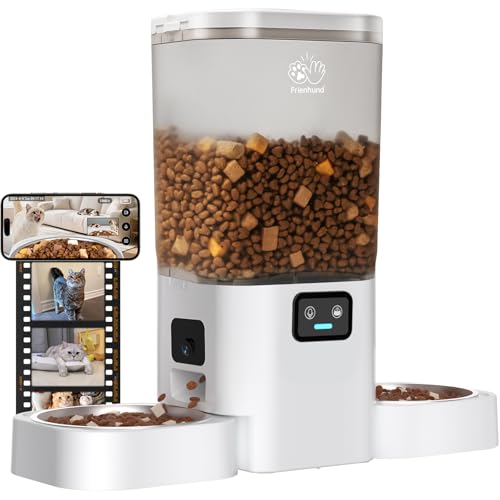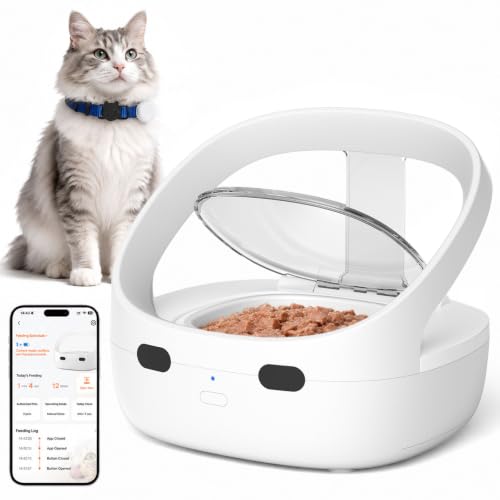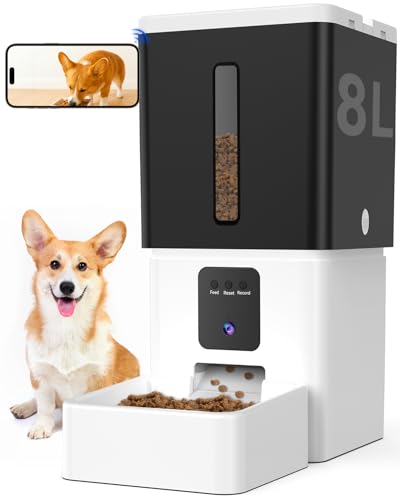

The short answer is no, most automatic feeders cannot safely dispense raw food. Standard automatic feeders are designed for dry kibble and lack the refrigeration or airtight sealing needed to prevent raw food from spoiling quickly. If you are considering a raw diet for your pet, you will need a different feeding approach than a typical automatic feeder can provide.
Why Spoilage Is the Biggest Concern
Raw food, whether meat, vegetables, or eggs, spoils rapidly at room temperature. Automatic feeders store food in a hopper that is not refrigerated, so any raw food left inside for more than a few hours becomes a breeding ground for bacteria. Feeding spoiled food to your pet can cause serious digestive upset or illness.
Even if you fill the feeder just before a meal, the dispensing mechanism can leave residue that promotes bacterial growth over time. Cleaning a standard feeder after raw food is difficult because many parts are not easily removable or dishwasher safe.
Texture and Clogging Issues
Raw food often has a sticky, wet, or chunky texture that does not flow through a standard feeder’s auger or dispensing wheel. Kibble is dry and uniform, so it drops freely. Raw meat, ground mixes, or chopped vegetables clump together and jam the mechanism.
Even if you cut raw food into small pieces, the moisture causes it to stick to the inside of the hopper. You might find that the feeder stops working mid cycle or dispenses an inconsistent amount, which defeats the purpose of portion control.
Moisture Content and Mold Growth
Raw food contains high moisture levels, which create the perfect environment for mold and mildew inside a sealed feeder. Mold can develop within 24 hours, especially in warm or humid conditions. Inhaling mold spores or eating contaminated food can harm your pet’s respiratory and digestive health.
Some feeders have ventilation holes to keep dry kibble fresh, but these holes let in more humidity when raw food is stored. The result is faster spoilage and a feeder that becomes difficult to clean thoroughly.
Portion Control Challenges
Automatic feeders measure portions by volume, not weight. Raw food has variable density and moisture, so a cup of raw meat may weigh very differently than a cup of kibble. This makes it nearly impossible to dispense a precise calorie amount with a standard feeder.
If your pet’s raw diet requires exact portions to maintain a healthy weight, a standard feeder will not provide the consistency you need. You would have to pre weigh each serving and manually load it, which defeats the automation.
Lack of Refrigeration in Standard Models
Most automatic feeders operate at room temperature. Even models with ice packs or cooling inserts cannot maintain the consistent cold temperature that raw meat requires. The brief cooling effect from an ice pack may slow spoilage but does not keep raw food safe for more than a few hours.
Refrigerated feeders exist but are a separate category designed specifically for wet or raw diets. They are more expensive and require a power source to run a cooling system continuously. A standard dry feeder cannot be upgraded to handle raw food safely.
Food Safety for Your Pet
Beyond spoilage, raw food carries a risk of bacterial contamination such as Salmonella or E. coli. If an automatic feeder is not cleaned after every use, bacteria can multiply and transfer to the next meal. This is especially dangerous for pets with weakened immune systems.
Veterinarians often advise against leaving raw food out for extended periods, even in a bowl. An automatic feeder that releases food on a timer increases the window of time the food sits at unsafe temperatures.
How to Feed Raw Food Without a Standard Automatic Feeder
- Use a refrigerated automatic feeder designed for wet or raw diets. These models keep food cold and dispense it safely.
- Pre portion and freeze individual servings of raw food. Thaw one serving at a time and feed manually.
- Stick to manual feeding at scheduled times. A consistent routine can work just as well as automation.
- If you must use a standard feeder, only fill it immediately before a meal and clean it thoroughly right after. Do not leave raw food in the hopper.
Related Guides
- Best Smart Feeder with Camera Reviews for 2026
- How to Prevent Automatic Feeder Jams
- How Does an Automatic Pet Feeder Work
Frequently Asked Questions
Can automatic feeders dispense wet food?
Some automatic feeders are designed specifically for wet food. They often include a cooling pack or refrigerated compartment to keep the food fresh. However, wet food is different from raw food, as most wet food is cooked and preserved. Always check the manufacturer’s guidelines before using any feeder with wet food.
Are there automatic feeders that can handle raw meat?
Yes, a few high end refrigerated feeders can dispense raw meat, but they require a constant power source and regular deep cleaning. They are not as common as dry food feeders and cost significantly more. For most pet owners, manual feeding is the safer and more practical option for raw meat.
How long can raw food sit in an automatic feeder before it spoils?
In a standard unrefrigerated feeder, raw food can begin to spoil within two to four hours, depending on the room temperature. Bacteria multiply quickly in the danger zone between 40°F and 140°F. Even with ice packs, you should not leave raw food in a feeder for more than a few hours.
Can I modify a standard automatic feeder to dispense raw food?
Modifying a standard feeder is not recommended. Adding cooling elements may not provide even temperature, and altering the mechanism can create safety hazards or void warranties. It is safer to use a feeder designed for the specific food type you want to dispense.
What is the best way to feed a raw diet automatically?
The best way is to use a refrigerated automatic feeder built for raw or wet food. These units maintain a consistent cold temperature and are easier to clean. Alternatively, you can pre portion raw meals and freeze them, then thaw and feed manually on a schedule.
Most automatic feeders cannot safely dispense raw food due to spoilage, clogging, and food safety risks. If you are committed to a raw diet for your pet, look into refrigerated feeders or stick to manual feeding with pre portioned frozen meals. For more articles on automatic feeders and pet nutrition, visit our blog.