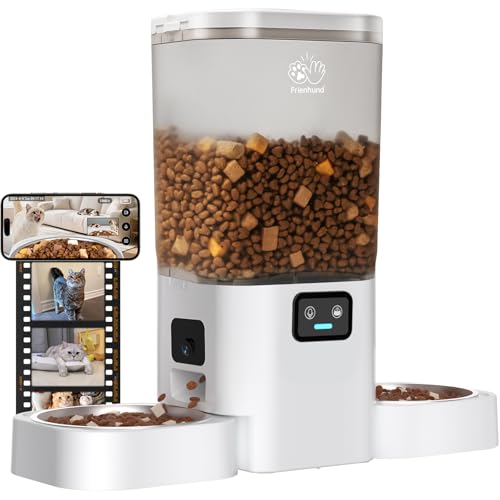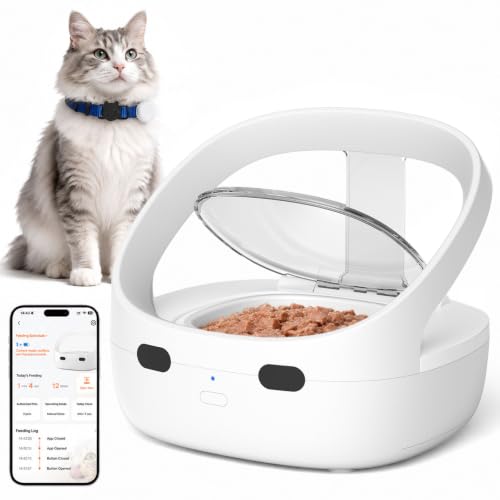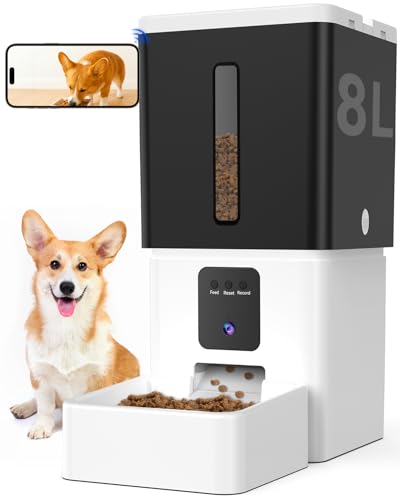

An automatic pet feeder is a programmable device that dispenses a preset amount of food for your cat or dog at scheduled times, so your pet gets fed even when you are not home. It replaces the need for you to manually fill a bowl every few hours, especially if you have a busy routine or an irregular work schedule. Most models use a timer, a rotating drum, or a gravity-fed mechanism to release food, and many now connect to a smartphone app for remote control.
How an Automatic Pet Feeder Works
An automatic pet feeder typically has a food hopper, a dispensing mechanism, and a timer. The hopper holds dry kibble, and when the timer reaches a programmed time, the mechanism rotates or opens a flap to drop a measured portion into the bowl below. Some models use a gravity system, where food simply falls as the bowl empties, while others use a screw or auger to push food out.
More advanced feeders include a digital display, meal scheduling for up to several days, and portion control settings. Smart feeders add Wi-Fi connectivity, so you can adjust schedules or check food levels from your phone. The core idea stays the same: consistent, automated feeding without your physical presence.
Types of Automatic Pet Feeders
There are three main categories of automatic pet feeders. Gravity feeders rely on basic physics: the bowl sits under a food reservoir, and food refills automatically as your pet eats. These are simple and inexpensive but offer no portion control, which can lead to overeating.
Programmable feeders let you set meal times and portion sizes, usually via buttons and a timer on the device. They work for dry kibble and some semi moist food, and many include a voice recorder so your pet hears your call at feeding time. Smart feeders are the most advanced, with app control, camera integration, and notifications. They are ideal for pet parents who travel often or want real time updates.
Key Benefits of Using an Automatic Pet Feeder
One major benefit is convenience. If your pet needs to eat at specific times but you work long hours or commute, the feeder handles the schedule. This can reduce your stress and keep your pet on a healthy routine.
Another advantage is portion control. Many pets overeat when free fed, leading to obesity. An automatic pet feeder dispenses the exact amount at set intervals, helping maintain your pet’s weight. It also reduces the need for a midday pet sitter or neighbor to stop by for feeding.
What to Consider Before Buying an Automatic Pet Feeder
Consider your pet’s eating habits first. If your pet tends to knock over bowls or chew on cords, choose a sturdy, cordless model. If you feed wet food, look for models that can hold an ice pack or are easy to clean. Most automatic pet feeders are designed for dry kibble only, so wet food may spoil if left out too long.
Power source matters too. Battery operated feeders are portable but require regular battery changes. Plug in models are reliable but need a nearby outlet. Some smart feeders include a backup battery for power outages. Also check the feeder capacity: larger hoppers hold more food, which is useful for multiple pets or longer trips.
Common Concerns and Myths About Automatic Pet Feeders
A frequent worry is that the feeder might jam or overfeed your pet. Reputable modern feeders have anti jam mechanisms, and you can always test the device with small amounts first. Another myth is that automatic feeders make your pet less social; in reality, they only handle food delivery, not your presence, so bonding time stays unaffected.
Some pet owners worry that the feeder will break while they are away. Smart feeders send alerts if a cycle fails, and many have manual override options. With proper setup and a backup plan, these risks are minimal for daily use.
How to Get Started With an Automatic Pet Feeder
- Assess your pet’s feeding schedule and portion needs before choosing a model.
- Decide between dry food only or occasional wet food, and select a feeder that matches.
- Consider power source: battery, plug in, or both, depending on your home layout.
- Test the feeder with your pet watching to see if they are comfortable with the noise and movement.
- Program a few test cycles while you are home to ensure reliability before relying on it.
Once you understand the basics, you can explore more in depth advice on our blog where we cover tips for specific situations and pet needs. That resource will help you choose the right approach for your dog or cat without rushing into a decision.
Frequently Asked Questions
Can automatic pet feeders be used for wet food?
Most automatic pet feeders are designed for dry kibble only. Some models come with an ice pack compartment or a sealed lid that can keep wet food fresh for a few hours, but they are less common. If your pet requires wet food, look for a specialized feeder or use a gravity model with an insert.
Are automatic pet feeders safe for puppies and kittens?
Yes, but you should choose a model with small portion sizes and a slow dispense speed. Young animals may eat too quickly if the bowl fills all at once. Some feeders offer a slow feed option or multiple small meals per day, which works well for growing pets.
Do automatic pet feeders require Wi-Fi to work?
No. Basic programmable feeders work with just a timer and battery, no internet needed. Wi-Fi is only required for smart feeders that offer app control, camera views, or notifications. You can still use the manual schedule on the device without connecting it to your home network.
What happens if the power goes out?
Battery powered feeders will continue running as long as the batteries have charge. Plug in models without backup will stop. Many smart feeders include a backup battery or a low power mode that retains the schedule for several hours. Always read the manual for your specific model’s power recovery behavior.
How often should I clean an automatic pet feeder?
At least once a month, disassemble the hopper and dispensing parts to wash them in warm soapy water. Food residue can attract bacteria or cause the mechanism to jam. Let everything dry completely before reassembling. For wet food inserts, clean after each use to prevent spoilage.
Related Guides
- Best Smart Feeder with Camera Reviews for 2026
- How to Prevent Automatic Feeder Jams
- How Does an Automatic Pet Feeder Work
Closing
An automatic pet feeder takes the guesswork out of mealtime by delivering consistent, scheduled portions whether you are home or away. To learn more about how to choose the best setup for your pet, browse the articles on our blog for practical advice and specific scenarios.