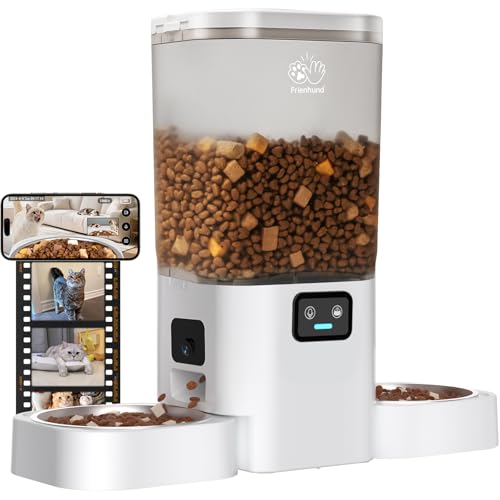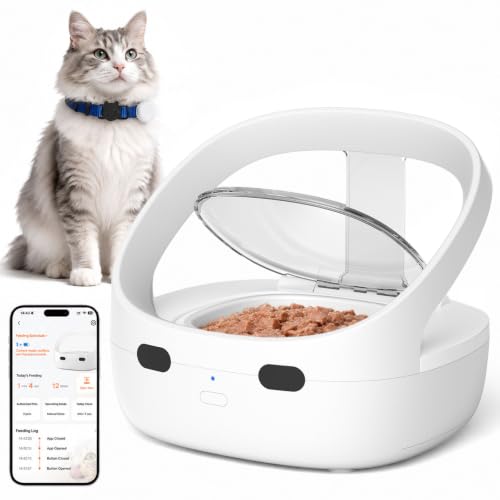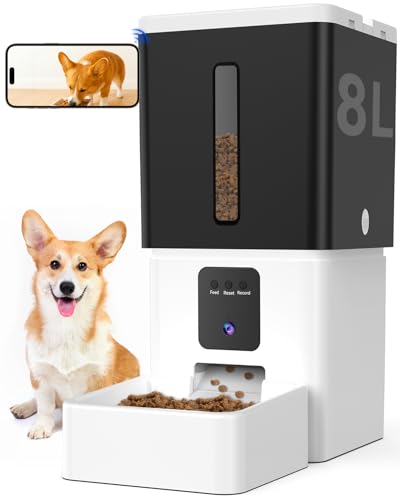

You come home late, and your cat meows by an empty bowl. Or you rush out for a weekend trip and worry about your dog skipping meals. Programmable pet feeders solve this. They let you schedule feedings, control portions, and keep your pet on a healthy routine even when you are not there. In this guide, we review five top-rated models from brands like PETLIBRO, Voluas, and Yuposl. We also share what to look for when buying a programmable feeder. For more pet tech insights, visit our Product Reviews section.
Whether you have a cat that grazes all day or a dog that needs measured meals, a programmable feeder can transform your pet care. We evaluated each model for ease of programming, food freshness, capacity, and reliability. Let us dive into the details.


Buying Guide: What to Look for in a Programmable Pet Feeder
Capacity and Portion Control
Capacity matters because it determines how often you need to refill. A 3-liter feeder works well for a single cat for up to two weeks. Larger options like the 8-liter model suit multiple pets or longer trips. Portion control is equally important. Look for feeders that let you set portions in grams or portions per meal. Some models offer up to 50 portions per feeding, which gives you precise control for weight management.
If you have a small dog or a cat, a feeder with portion increments of 1/16 cup is ideal. For larger dogs, a higher capacity and larger portions are necessary. Check the kibble size compatibility as well. Most feeders work with kibble up to 15 to 18 mm, but some handle dental diets without jamming.
Power Options and Backup Reliability
A programmable feeder should keep working even during a power outage. Many models offer dual power: a wall adapter plus battery backup. Batteries can last from 30 days to over 180 days depending on the model and usage. This is a lifesaver if you travel frequently or live in an area with unstable power. Some feeders use USB-C, while others rely on D-cell or AA batteries. Choose one that fits your convenience.
Also consider the battery type. D-cell batteries last longer than AA, but AA are more common. The PETLIBRO feeder, for example, uses three D-cell batteries for backup. The Yuposl model claims over 180 days on D-cells. For more on pet tech reliability, check our Pet Tech Guides.
Freshness and Anti-Jam Features
Dry food can go stale or get damp if the feeder does not seal properly. Look for models with a locking lid, silicone rotor, and a desiccant compartment. These keep moisture out and preserve flavor. Anti-jam mechanisms are crucial too. Infrared sensors or soft rotors prevent kibble from getting stuck. Some feeders have a food distribution system that stirs the kibble to ensure smooth dispensing.
If you have a clever pet that tries to steal food, choose a feeder with a spring-lock lid and a sealed rotor. The Yuposl and ANDOLL HOME models both include these features. They prevent paws from reaching into the hopper.
Ease of Cleaning and Setup
Hygiene is vital. Look for feeders with removable parts that are dishwasher safe. The lid, hopper, rotor, and bowl should come off easily. Some models have a slide-lock system that makes assembly quick. Avoid feeders with complicated twisting or alignment steps. A removable stainless steel bowl is a plus because it prevents chin acne and is easy to clean.
Setup should be intuitive. A large LCD screen and simple buttons make programming a breeze. Some feeders also offer a voice recording feature to call your pet at mealtime. This adds a personal touch and helps anxious pets feel comforted.
Final Thoughts
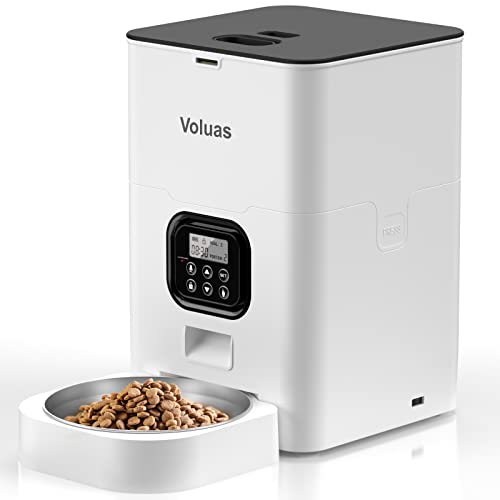
After reviewing five programmable feeders, we recommend the PETLIBRO Automatic Cat Feeder for its excellent freshness seal, infrared anti-jam, and voice recording. It is a reliable choice for most households. For a budget-friendly option with a large capacity, the VOLUAS Automatic Cat Feeder offers solid performance with 4 liters of storage and easy programming. Both models keep your pet fed on schedule, giving you peace of mind whether you are at work or away.
Related Guides
- Best Smart Feeder with Camera Reviews for 2026
- How Does an Automatic Pet Feeder Work
- How to Program an Automatic Pet Feeder
Frequently Asked Questions
Can I use a programmable feeder for wet food? Most programmable feeders are designed for dry kibble only. Wet food can clog the dispenser and spoil quickly. If you need to feed wet food, look for a feeder with a cooling compartment or a separate wet food dispenser.
How do I clean my programmable pet feeder? Remove all detachable parts like the lid, hopper, rotor, and bowl. Wash them in warm soapy water or place them in the dishwasher if they are dishwasher safe. Wipe the base with a damp cloth. Always dry thoroughly before reassembling. For more cleaning tips, see our Pet Tech Guides.
Will a programmable feeder work for multiple pets? Yes, but each pet should have its own feeder to avoid food stealing and ensure proper portions. Place feeders in separate areas if your pets tend to fight over food. Some models are designed with a larger bowl and capacity for multiple pets, but individual feeders are more reliable.
How often should I replace the desiccant in my feeder? Replace the desiccant bag every 2 to 4 weeks, or when it becomes saturated. Most feeders include one desiccant, but you can buy refills. Keeping the desiccant fresh helps maintain kibble quality and prevents mold.