

You have two cats, each with a different dietary requirement. One needs a weight management formula, the other a high-protein diet. Or maybe you have a dog and a cat, and their meal times and portions are completely different. Juggling separate feeding schedules manually can be a hassle, especially when you are away from home. That is where smart feeders with individual feeding capabilities come in. These devices let you program distinct meal plans for each pet, monitor their eating habits remotely, and ensure everyone gets the right food at the right time. In this guide, we review the top smart feeders that excel at supporting individual feeding routines, focusing on models with cameras, app control, and reliable portion dispensing. Whether you have multiple pets or just one with a strict diet, these feeders make mealtime management effortless.
If you are managing multiple pets with different diets, you might also want to check out our guide on best smart feeders for different pet diets for more tailored recommendations.



Buying Guide: What to Look for in a Smart Feeder for Individual Feeding
Portion Control and Scheduling Flexibility
The core of individual feeding is the ability to set precise portions and multiple meal times per day. Look for feeders that allow you to program at least 10 meals per day with adjustable serving sizes, typically ranging from 1 to 50 portions. Some models let you customize portions in increments as small as 8 grams, which is ideal for weight management. The best feeders also track feeding history, so you can see exactly how much each pet has eaten and adjust schedules accordingly.
For households with multiple pets, consider feeders that support separate profiles or schedules. While most smart feeders do not yet have built-in pet recognition, you can use the app to create distinct meal plans for each pet if you feed them in separate rooms or at different times. This flexibility ensures that each pet gets its own tailored diet without interference.
Camera and Monitoring Features
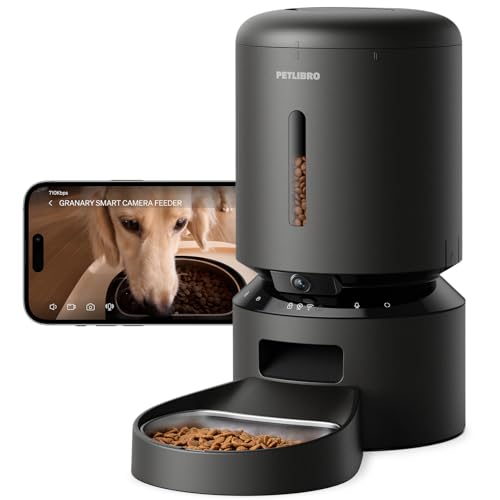
A built-in camera is a game-changer for individual feeding. It lets you watch your pet eat in real time, confirm that the correct pet is eating from the right feeder, and check for any issues like food refusal or health concerns. Look for 1080P HD resolution with night vision for round-the-clock monitoring. Two-way audio is also valuable, allowing you to call your pet by name or comfort them if they seem anxious. Some models even record video clips triggered by motion or sound, giving you a full picture of your pet’s behavior.
If you need advanced monitoring, consider feeders that support cloud storage or micro SD cards for recorded clips. This way, you can review past meals and spot any changes in eating patterns that might signal a health issue.
Connectivity and App Control
Reliable WiFi connectivity is essential for remote management. Most smart feeders support both 2.4GHz and 5GHz bands, ensuring a stable connection even in crowded networks. The companion app should allow you to schedule meals, adjust portions, view feeding history, and receive notifications for low food levels or blockages. Some apps even let you share control with family members, so everyone can help manage feeding schedules.
For multi-pet homes, app features that allow you to label each feeder or create separate feeding profiles are particularly useful. This makes it easy to assign different schedules to different feeders, even if you have multiple units. If you are interested in more advanced multi-pet solutions, explore our roundup of best WiFi RFID cat feeders for pet-specific recognition.
Reliability and Anti-Clog Design
Nothing disrupts an individual feeding plan like a jammed feeder. Look for models with anti-clog dispensing systems that handle various kibble sizes, from small pellets to larger freeze-dried pieces. Patented rotor designs and infrared detection help prevent blockages and ensure consistent portion delivery. A dual power option (AC adapter with battery backup) is also important, so your pet’s meals continue even during power outages.
Additionally, a sealed food container with a desiccant compartment keeps kibble fresh and dry, which is crucial when you are pre-portioning food for multiple days. BPA-free materials and easy-to-clean components add to the long-term reliability of the feeder.
For more tips on managing multiple pets, see our article on best smart feeders for multi-pet diets.
Final Thoughts
Choosing the right smart feeder for individual feeding depends on your specific needs and budget. If you want a premium experience with a high-resolution camera, two-way audio, and robust app control, the PETLIBRO Automatic Cat Feeder with Camera offers excellent value with its 1080P night vision and personalized meal calls. For a more affordable option that still provides reliable scheduling and portion control, the IMIPAW Automatic Cat Feeder is a solid choice, featuring dual power backup and a safety lock lid. Both models support up to 10 meals per day and let you customize portions, making them ideal for keeping each pet on their own feeding plan.
Related Guides
- Best Smart Dog Feeders with WiFi for 2026
- How to Prevent Automatic Feeder Jams
- How Does an Automatic Pet Feeder Work
Frequently Asked Questions
Can I use a smart feeder for multiple cats with different diets?
Yes, but you will need to feed them in separate rooms or at different times since most smart feeders lack individual pet recognition. You can program distinct meal schedules and portions for each feeder, then assign each feeder to a specific pet. Some advanced models with RFID tags are available for true individual feeding, which we cover in our best WiFi RFID cat feeders guide.
How do I set up individual feeding schedules for my pets?
Using the feeder’s app, you can create separate schedules for each device. For example, assign one feeder to Cat A with breakfast at 7 AM and dinner at 6 PM, and another feeder to Cat B with meals at 8 AM and 7 PM. Most apps allow up to 10 meals per day with adjustable portions, so you can fine-tune each pet’s plan.
Do these smart feeders work with wet food?
Most smart feeders are designed for dry kibble only. Wet food can spoil if left in the hopper for hours, and it may clog the dispensing mechanism. If you need to feed wet food, consider a feeder with a cooling compartment or one that dispenses into a bowl that you can refrigerate. For dry food, these feeders work perfectly with kibble sizes from 5 to 15 mm.
What happens during a power outage? Will my pet miss a meal?
Most smart feeders come with a battery backup option (usually requiring 3 D-cell batteries, not included). If the power goes out, the feeder will continue to dispense meals according to the last scheduled times. However, app connectivity and camera features will be unavailable until power is restored. Always install backup batteries to ensure uninterrupted feeding.


