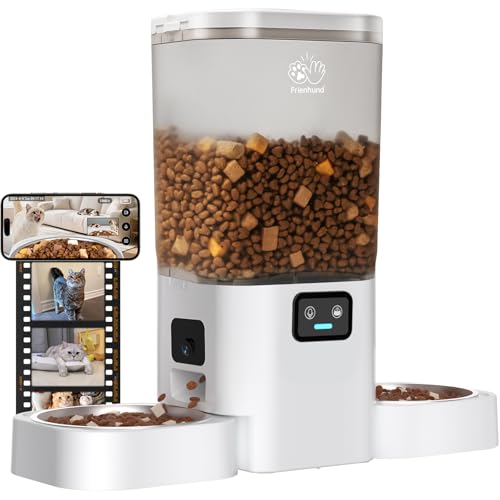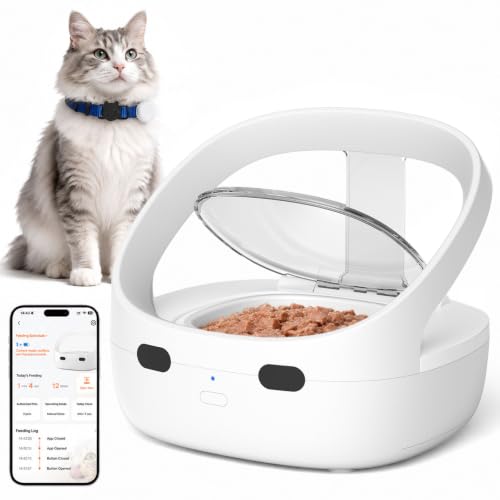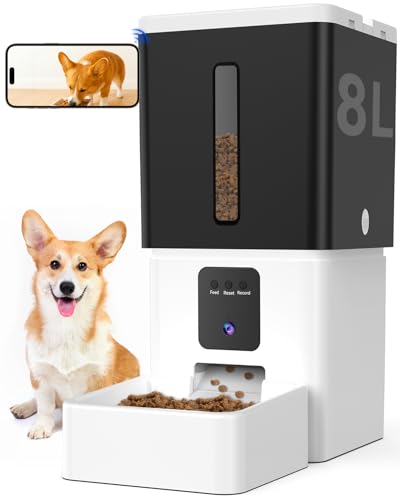

You love your dog, but keeping their meals perfectly portioned can feel like a guessing game. A few extra kibbles here, a generous scoop there, and suddenly their weight starts creeping up. For dogs prone to obesity, diabetes, or digestive issues, even small measurement errors can have real health consequences. That is why a dog feeder with a built-in scale is a game changer. It takes the guesswork out of feeding, giving you data driven control over every meal. In this guide for 2026, we review two standout options: a large capacity automatic feeder with precise portion settings and a smart weighing bowl designed for exact gram level accuracy. Whether you need automated scheduling or manual precision, these picks help you feed with confidence. For more ways to track your pet’s nutrition, check out our roundup of best dog feeders with food tracking.

Buying Guide: What to Look for in a Dog Feeder with Built-In Scale
Precision and Measurement Range
The core reason to buy a feeder with a scale is accuracy. Look for a model that measures in small increments, ideally grams, so you can dial in the exact portion your vet recommends. Some bowls offer a range up to 3000 grams, which covers most dog meals. For automatic feeders, check that the portion settings are consistent and repeatable. The best devices let you adjust portions in tiny steps, not just preset scoops. If you need to track meals over time, see our guide on best dog feeders with meal tracking.
Feeding Style: Automatic vs. Manual Weighing
Decide whether you want the feeder to dispense food automatically or if you prefer to weigh and serve manually. An automatic feeder with preset portions is ideal for busy schedules and multiple meals per day. A manual weighing bowl gives you full control and works with any food type, including wet and fresh meals. Both approaches can support weight management, but your lifestyle will determine which is more convenient. For those who want to review feeding history, the best dog feeders with feeding history offer helpful insights.
Capacity and Compatibility with Your Dog’s Size
Consider how much food your dog eats per day. Large breeds may need a feeder that holds several pounds of kibble, while small dogs can manage with a compact bowl. Also check the bowl diameter: a wider bowl helps reduce whisker stress for cats and allows larger dogs to eat comfortably. Ensure the feeder can accommodate your dog’s kibble size, especially if you use large breed formulas. For more on preventing overeating, explore the best dog feeders with low food alerts.
Ease of Cleaning and Maintenance
A feeder that is difficult to clean can become a breeding ground for bacteria. Look for fully removable parts: lid, hopper, rotor, bowl, and tray. Stainless steel bowls are preferable because they resist chin acne and are dishwasher safe. Some models feature a hopper that stays contained when removed, preventing kibble spills. If you prioritize hygiene, choose a design that disassembles without tools. You can find more options in our dog feeders category.
Final Thoughts
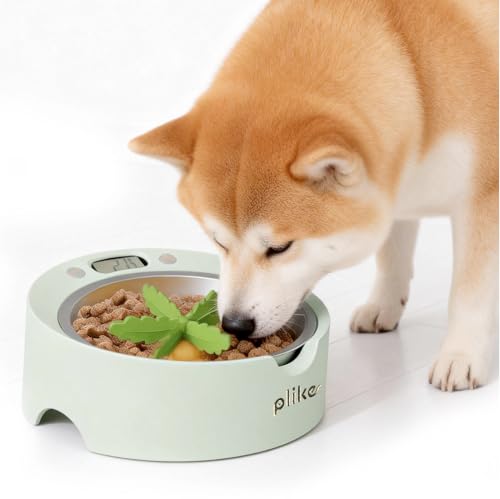
Both products we evaluated serve different needs, but each excels in its own way. For pet owners who want automated, scheduled feeding with generous capacity, the Automatic Dog Feeder – 8L/34 Cups Large Capacity offers up to 50 portions per meal and six meals daily, making it perfect for long trips or busy households. If your priority is precise gram level weighing for a dog with weight or health issues, the Plike 3-in-1 Smart Dog Bowl with Scale delivers accuracy down to one gram, plus a slow feeder insert to prevent gulping. Whichever you choose, you are taking a smart step toward better portion control and a healthier, happier pet.
Related Guides
- Top Dog Feeders for Picky Eaters
- How to Prevent Automatic Feeder Jams
- How Does an Automatic Pet Feeder Work
Frequently Asked Questions
How does a dog feeder with a built-in scale help with weight management?
A built-in scale lets you measure your dog’s food in precise grams or ounces, eliminating guesswork. This is especially valuable for dogs on a calorie restricted diet or those with conditions like diabetes. By consistently serving the exact portion, you can prevent weight gain and maintain ideal body condition. For 2026, these feeders are becoming essential tools for proactive pet health care.
Can I use a weighing bowl for wet food or homemade meals?
Yes, most weighing bowls with stainless steel interiors are safe for wet food, raw diets, and fresh meals. Just remove any slow feeder insert if you want a standard bowl. The scale mechanism is typically sealed and can handle moisture, but always wipe it clean after each use. The Plike 3-in-1 Smart Dog Bowl with Scale is designed for all food types.
Are automatic feeders with portion control as accurate as a scale?
Automatic feeders dispense by volume (cups or portions) rather than weight. While they can be calibrated, they may not match the exactness of a gram scale. For dogs that need precise caloric control, a manual weighing bowl is more accurate. However, many automatic feeders offer consistent portion sizes that work well for general feeding. You can learn more about these options in our automatic feeders overview.
What is the best way to clean a digital pet food bowl?
Always remove the stainless steel bowl and wash it separately with warm soapy water or in the dishwasher. Wipe the scale base with a damp cloth, avoiding immersion. Ensure all parts are completely dry before reassembling. Many modern bowls have removable inserts that make cleaning straightforward. For models with a slow feeder, soak the insert if food gets stuck in the ridges.