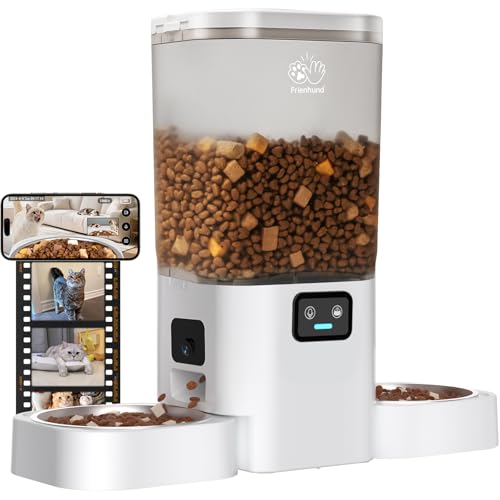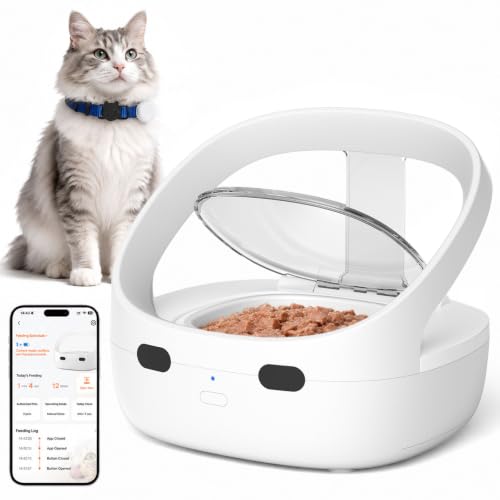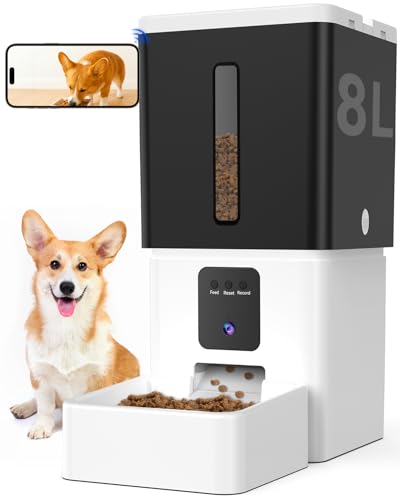

If your dog has packed on extra pounds, you know the struggle: those pleading eyes at every meal, the guilt of cutting back portions, and the worry about long-term health. Managing an overweight dog requires consistent portion control and sometimes a slower eating pace to prevent gulping and digestive issues. That is where the right feeder becomes your best ally. In this guide, we have evaluated four top-rated dog feeders designed to help you control your dog’s weight through precise portioning, slow-feed features, and reliable scheduling. Whether you have a large breed that needs a steady diet or a smaller dog that inhales food too fast, we have a solution for you. If your dog is also a fast eater, check out our best dog feeders for fast-eating dogs for additional slow-feed options.


Buying Guide: What to Look for in a Feeder for Overweight Dogs
Portion Control Accuracy
For weight management, you need a feeder that dispenses exact portions every time. Look for models that allow you to set portions in small increments, such as 10g per serving. This lets you gradually reduce food intake without drastic cuts. The best automatic dog feeders offer programmable meal sizes and multiple meals per day to spread calories evenly.
Slow-Feed Design
Overweight dogs often eat too quickly, which can lead to bloating and poor digestion. A slow-feed bowl with raised barriers forces your dog to eat more slowly, giving their brain time to register fullness. Some feeders come with a dedicated slow-feed bowl that fits the dispenser. If your dog is a picky eater, you might also benefit from our top dog feeders for picky eaters that combine slow feeding with appealing textures.
Capacity and Frequency
Large capacity feeders (14L to 15L) are ideal for overweight dogs on a strict diet because you can fill once and schedule consistent meals for weeks. This reduces temptation to overfeed and keeps your dog on a routine. Look for models that support up to 15 meals per day so you can divide daily calories into many small portions, which can boost metabolism and reduce begging.
Monitoring and Peace of Mind
If you travel or work long hours, a feeder with a camera lets you check that meals dispensed correctly and see your dog’s behavior. Two-way audio allows you to comfort your pet or call them away from the bowl. For indoor dogs, a feeder with camera is especially useful; see our feeders with camera category for more options. Also, consider our pet tech guides for tips on integrating smart feeders into your routine.
Final Thoughts
For most overweight dogs, the 14L Automatic Dog Feeder for Large Breed from MOLLY&CODY offers an outstanding balance of portion control, anti-jam reliability, and a comfortable elevated bowl that encourages better posture during meals. If your dog needs a slower eating pace plus the ability to monitor feedings remotely, the 15L Large Breed Automatic Dog Feeder from Wnfuo combines a slow-feed bowl with a high-definition camera and app control, making it a comprehensive choice for weight management. Whichever you choose, consistent portioning and a calm feeding environment will help your dog reach a healthier weight.
Related Guides
- Best Refrigerated Pet Feeder Reviews for 2026
- How to Prevent Automatic Feeder Jams
- How Does an Automatic Pet Feeder Work
Frequently Asked Questions
How many meals a day should I feed my overweight dog?
Most veterinarians recommend splitting the daily calorie allowance into two to three meals. Automatic feeders that support up to 15 meals per day allow you to divide portions into many small servings, which can help manage hunger and prevent overeating. Consult your vet for a specific plan tailored to your dog in 2026.
Can a slow-feed bowl really help my dog lose weight?
Yes. Slow-feed bowls with raised barriers force your dog to eat more slowly, giving their stomach time to signal fullness. This can reduce the amount of food they consume per meal and improve digestion. Combined with portion control, it is a proven strategy for weight loss. For more on slow feeding, see our best dog feeders for indoor dogs guide.
What size feeder do I need for a large overweight dog?
For large breeds (50 lbs and up), a feeder with a 14L to 15L capacity is ideal. It holds enough kibble for several weeks of measured meals, reducing the frequency of refills. Ensure the feeder can handle large kibble sizes (up to 22mm) to avoid jams. The models we reviewed all accommodate large kibble and are built for sturdy, energetic dogs.
Is a gravity feeder suitable for an overweight dog?
Gravity feeders, like the Petmate Pet Cafe, dispense food continuously as your dog eats, which can lead to overeating. They are not recommended for weight management unless you manually measure and limit the amount placed in the hopper. For controlled diets, a programmable automatic feeder with portion settings is far more effective.