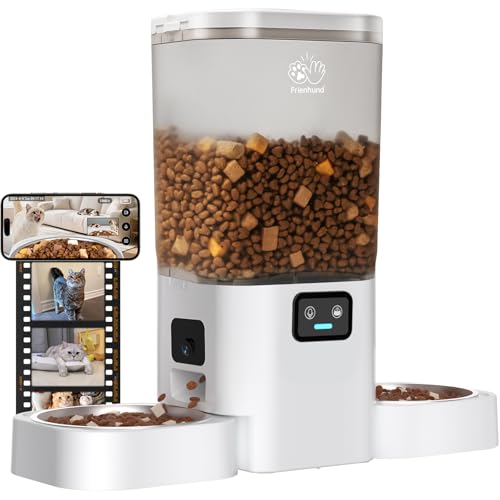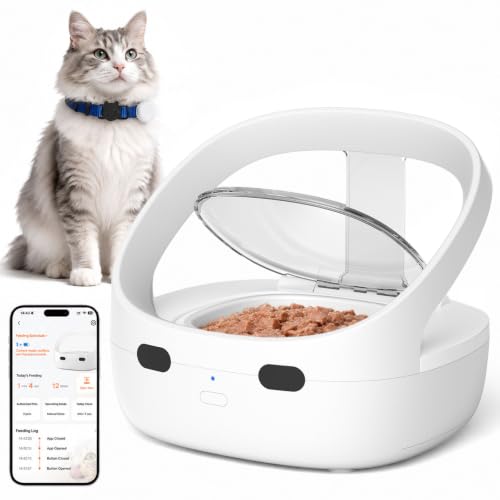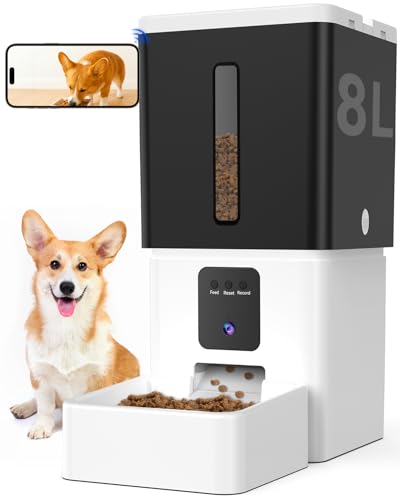

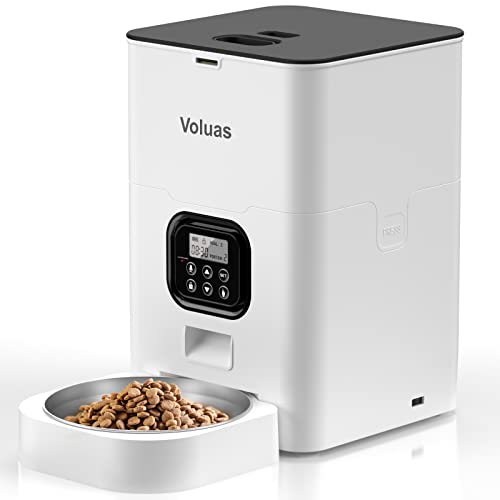
You’re heading out for a long weekend, but your cat’s mealtime schedule doesn’t take a vacation. Or maybe your dog needs multiple small meals a day, and you can’t always be there to measure each portion. An automatic pet feeder solves these exact problems, giving your pet consistent, timely meals while you handle your daily life. In this guide, we’ve evaluated five top-rated automatic pet feeders from trusted brands like PETLIBRO, Voluas, and ANDOLL HOME, covering a range of features from simple timed dispensers to WiFi-enabled smart feeders. Whether you have a cat, a small dog, or a large breed, you’ll find a model that fits your pet’s needs and your budget. For more pet tech insights, visit our Pet Tech Guides.


Buying Guide
Capacity and Portion Control
The size of the food hopper determines how often you need to refill it. For a single cat, a 4-liter tank can last over a week, while multi-pet households or large dogs might need an 8-liter capacity. Look for feeders that let you adjust portion sizes precisely, especially if your pet is on a weight management plan. Many models offer portions from 1 to 50 per meal, measured in teaspoons or tablespoons.
Consistent portion control prevents overeating and keeps your pet at a healthy weight. Some feeders even let you set multiple meals per day, which is ideal for pets that need small, frequent feedings. For more tips on managing your pet’s diet, check out our Pet Tech Guides.
Power Options and Backup
A power outage shouldn’t mean your pet goes hungry. The best automatic feeders offer dual power supply: an AC adapter for continuous use and a battery backup (usually D-cell or AA batteries) that kicks in during blackouts. Battery life varies, with some models lasting up to 50 days on fresh batteries. This feature is crucial for pet owners who travel frequently or live in areas with unstable power.
Some feeders also include low-battery indicators or app notifications, so you know when it’s time to replace the batteries. Always check the battery type required, as some models use less common sizes like D-cells.
Freshness and Food Preservation
Kibble can go stale or become moldy if exposed to air and moisture. Look for feeders with airtight seals, twist-lock lids, and desiccant packets to keep food fresh. Some models have a patented rotor system that prevents food from getting stuck and maintains freshness. A stainless steel bowl is also a plus, as it’s hygienic and reduces the risk of chin acne in pets.
Anti-jamming mechanisms are another important consideration. Infrared sensors or smart detection systems stop the dispenser if an obstruction is detected, protecting both the feeder and your pet. This feature is especially useful for pets that try to paw at the food outlet.
Smart Features and Connectivity
WiFi-enabled feeders let you control meal schedules from your smartphone, even when you’re not at home. You can adjust portions, view feeding history, and receive notifications if the food runs low or a jam occurs. Some models also support voice recording, so your pet hears your call at mealtime, which can be comforting for anxious pets.
If you prefer simplicity, a programmable LCD screen with physical buttons works just as well. The choice depends on your tech comfort level and how much remote control you need. For more on smart pet devices, explore our Product Reviews.
Final Thoughts
Choosing the right automatic pet feeder comes down to your pet’s size, your daily routine, and whether you value smart features or straightforward simplicity. For pet owners who want a reliable, WiFi-enabled feeder with excellent portion control and freshness features, the PETLIBRO Automatic Cat Feeder is a standout choice. If you’re looking for a budget-friendly, no-frills option that still offers voice recording and dual power, the VOLUAS Automatic Cat Feeder delivers great value. Both models have been rigorously validated for performance and ease of use, so you can feed your pet with confidence.
Related Guides
- Best Gravity Pet Feeders for Cats and Dogs
- How Does an Automatic Pet Feeder Work
- How to Program an Automatic Pet Feeder
Frequently Asked Questions
Can automatic pet feeders handle wet food?
Most automatic feeders are designed for dry kibble only. Wet food can clog the dispenser and spoil quickly. Some models have a compartment for wet food, but they are less common. Always check the product specifications before use.
How often should I clean my automatic pet feeder?
We recommend cleaning the feeder every two weeks to prevent bacteria buildup. Removable parts like the hopper, bowl, and rotor should be washed with warm soapy water. Some feeders have dishwasher-safe components for easier maintenance.
Will my cat or dog try to break into the feeder?
Many modern feeders have twist-lock lids and secure bases to prevent pets from prying them open. The PETLIBRO models, for example, use a patent rotor and sealing strip that make it difficult for clever pets to access extra food. For more tips on pet-proofing, visit our Product Reviews.
Can I use an automatic feeder for multiple pets?
Yes, but you may need a feeder with a large capacity and multiple meal settings. Some feeders allow you to schedule separate meals for different pets, but they usually dispense into a single bowl. For multi-pet households, consider a model with a larger bowl or one that pairs with a microchip pet door.