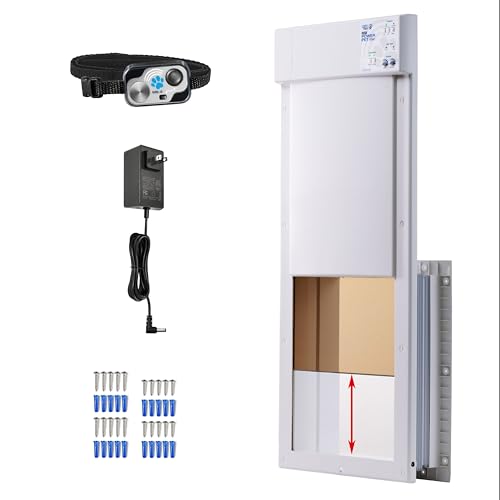

Imagine your cat slipping through the flap at night, only to have a stray raccoon push in behind them. A standard pet door offers no guard against unwanted visitors. That is where selective entry doors come in, using either microchip or RFID technology to grant access only to your own pets. This guide breaks down the differences between microchip and RFID pet doors, focusing on SureFlap’s lineup, so you can decide which system fits your home. For more side-by-side evaluations, check out our full Comparisons category.


Buying Guide
Compatibility with Your Pet’s Existing ID
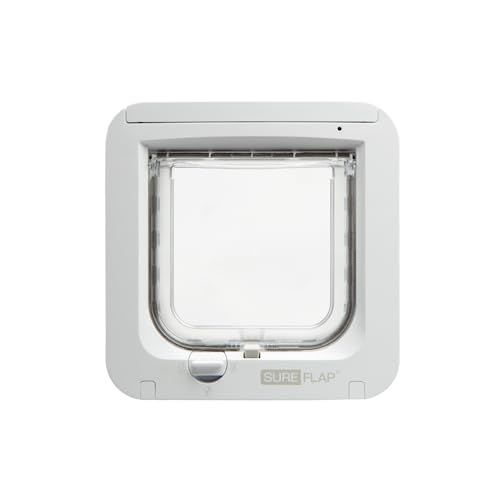
The core difference between a microchip door and an RFID door is how they identify your pet. Microchip models read the tiny chip already implanted under your cat’s skin, requiring no extra accessories. RFID doors rely on a separate collar tag that emits a signal. If your pet is already microchipped, a microchip door like the SureFlap – Sure Petcare Microchip Cat Flap, White works right out of the box. For pets without a chip, you can add the RFID collar tags (sold separately) to make an RFID system functional.
Both approaches effectively block strays, but microchip doors offer a more permanent solution because the chip never gets lost or removed. RFID tags, though lightweight and easy to attach, can fall off or be swapped between animals. Consider your pet’s lifestyle and whether you want a seamless, no-hassle setup.
Exit Control: Standard vs. DualScan Technology
Not all selective doors treat entry and exit the same. Standard microchip doors scan only incoming pets and let anyone push out freely. If you want to keep a specific pet indoors?for example, a cat on a medication schedule?DualScan technology is essential. The SureFlap DualScan Microchip Cat Door scans both entry and exit, allowing you to set permissions so certain pets cannot leave the house.
This feature is particularly valuable for multi-pet households where one animal needs restricted outdoor time. DualScan adds a layer of control that standard RFID or microchip flaps lack. If your pet has health or behavioral needs that require keeping them inside, invest in a dual-scan model.
Door Size and Installation Options
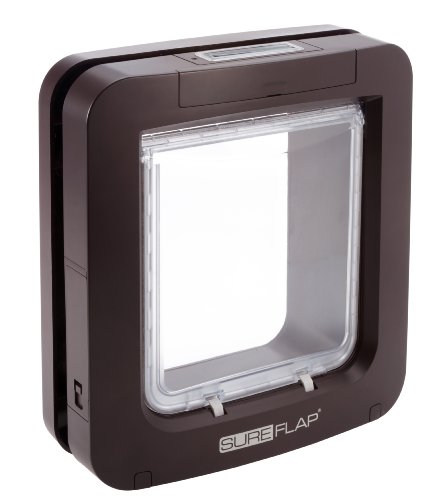
Pet doors come in different flap dimensions to accommodate various animal sizes. SureFlap offers two heights: the cat-sized flap (4 3/4″ H x 5 5/8″ W) found in the Microchip Cat Flap and DualScan Cat Door, and the larger pet door (6 11/16″ H x 7″ W) in the SureFlap Microchip Pet Door (Brown). Measure your pet’s shoulder height and width to ensure a comfortable passage.
All models can be installed in doors, windows, or walls, with optional tunnel extensions and mounting kits sold separately. The larger flap is ideal for small dog breeds or big cats, while the standard size suits most felines. Check your installation surface thickness before ordering.
Battery Life and Maintenance
Selective entry doors run on batteries to keep the electronics independent of your home wiring. SureFlap doors use either 4 AA (Microchip Cat Flap) or 4 C (Microchip Pet Door) non-rechargeable alkaline batteries, lasting up to 12 months under normal use. A low-battery indicator lights up red when replacement is due, so you are never caught off guard.
Battery life depends on usage frequency and ambient temperature, but the one-year estimate is verified by many owners. The RFID collar tags themselves are passive and require no batteries. For more tips on integrating pet tech into your home, visit our Pet Tech Guides.
Final Thoughts
Choosing between a microchip and RFID pet door ultimately depends on whether your pet has an implanted chip and how much control you need over exits. For most cat owners, the SureFlap – Sure Petcare Microchip Cat Flap, White offers a straightforward, reliable solution that reads your cat’s existing microchip and keeps strays out. If you manage multiple pets or require precise exit permissions, the SureFlap DualScan Microchip Cat Door provides that extra layer of oversight with its dual-direction scanning. Either way, you are giving your pet safe freedom and your home peace of mind.
Related Guides
Frequently Asked Questions
Can I use a microchip pet door without a microchip?
Yes, you can use optional RFID collar tags sold separately. The SureFlap Microchip Cat Flap, for example, is compatible with the SureFlap Sure Petcare SureFeed Pack of Two RFID tags, which attach to your pet’s collar and mimic a microchip signal. This allows non-microchipped pets to access the door.
How does DualScan technology work?
DualScan reads your pet’s microchip or RFID tag both when entering and exiting. You can program each pet’s permissions individually, allowing you to keep certain animals indoors while others come and go freely. This is ideal for pets that require restricted outdoor time, such as those on medication or recovering from surgery.
What if my pet’s microchip is not compatible?
SureFlap doors support the three most common microchip frequencies: 9 (Avid Secure), 10 (FDXA), and 15 (FDXB) digit numbers. Check with your veterinarian to confirm your pet’s chip type. If it is incompatible, you can always use the RFID collar tags as a workaround.
Do I need to reprogram the door if I get a new pet?
No, the door learns up to 32 identities automatically. Simply bring the new pet near the flap, press the programming button, and the door will register their microchip or collar tag. It is a one-button process that takes seconds.