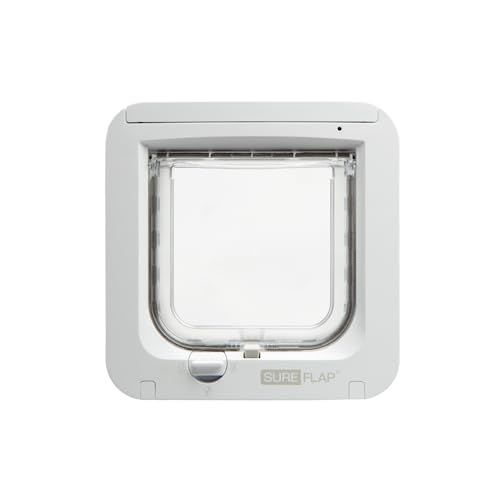

It is a familiar scene: you are relaxing on the couch, and your dog scratches at the door to go out. You get up, let them out, wait, and then let them back in. This routine, repeated multiple times daily, can become tiresome. That is where pet doors come in, offering your furry friend independence. But the choice today is not just between a simple flap and nothing. You now have to decide between a smart dog door and a traditional dog door. This guide breaks down the differences, features, and benefits of each to help you make the right decision for your home and your pet in 2026. Whether you prioritize security, energy efficiency, or sheer convenience, understanding what each type offers is the first step. For more guidance, explore our full range of pet tech guides.



Buying Guide
Security and Access Control
Traditional dog doors typically use a simple plastic or rubber flap that any animal of sufficient size can push through. This can be a major security concern, as stray animals, raccoons, or even intruders could potentially enter your home. Smart dog doors, like the Power Pet Smart Roll Up Automatic Dog Door or the iGuardPaw Automatic Dog Door for Door, use collar sensors or microchips to ensure only your pet gains entry. Models with electronic locking mechanisms add an extra layer of security, keeping the door sealed when not in use. For a deeper dive into security features, check out our comparisons section.
Energy Efficiency and Weather Sealing
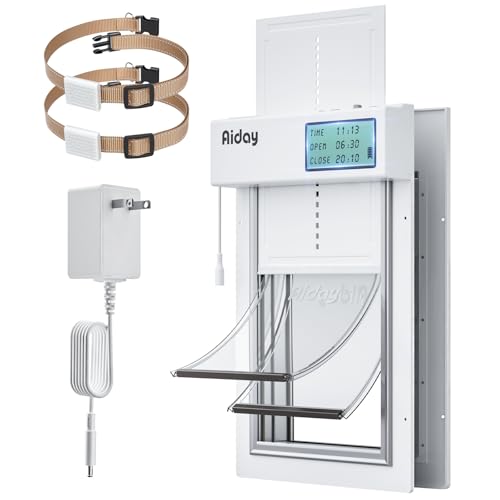
A poorly sealed pet door can lead to significant heat loss in winter and cool air escape in summer, raising your energy bills. Traditional flaps, especially older ones, can be drafty. Modern smart dog doors often incorporate superior weather sealing. The Automatic Dog Door for Door with Collar Sensor from Aiday uses magnetic seals and a honeycomb-style flap to minimize drafts. The Power Pet models roll up, creating a solid seal when closed, which is excellent for energy efficiency.
Ease of Installation and Flexibility
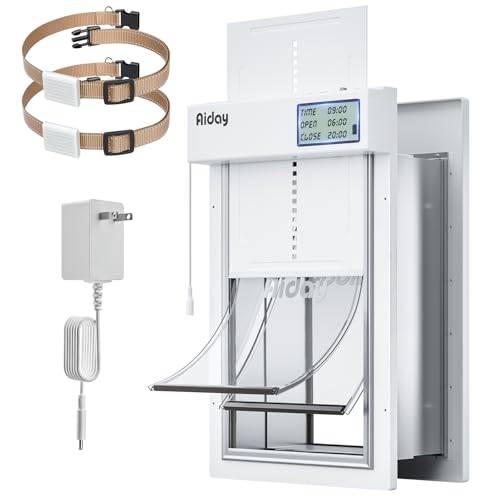
Installation complexity varies greatly. Traditional dog doors are generally simpler to install, often fitting into a door panel or wall cutout with basic tools. Smart dog doors can be more involved, particularly wall-mounted models like the Power Pet Smart Roll Up Automatic Dog Door or the Automatic Dog Door for Wall with Sensor Collars, which require precise cutting and sometimes electrical wiring. Many smart models now come with detailed templates and instructions to simplify the process. Consider your DIY skill level and whether you need door or wall installation.
Smart Features and Convenience
The real advantage of a smart dog door is convenience. Features like programmable schedules, remote control via smartphone apps, and integration with smart home systems (Alexa, Google Home) set them apart. The Power Pet Smart Roll Up models offer four access modes and dual smart range control. The iGuardPaw and Aiday models include timer functions and soft-close mechanisms. Traditional doors offer no such automation, requiring you to physically lock or unlock them. If you value tech-enabled control and pet activity tracking, a smart door is a clear winner.
Final Thoughts
Choosing between a smart dog door and a traditional dog door ultimately depends on your lifestyle, security needs, and budget. For pet owners who want the highest level of security, energy efficiency, and automated convenience, the Power Pet Smart Roll Up Automatic Dog Door stands out with its roll-up design and comprehensive smart features. If you are looking for a more affordable smart solution that still offers excellent control and security without breaking the bank, the iGuardPaw Automatic Dog Door for Door provides a robust set of features at a lower price point.
Related Guides
Frequently Asked Questions
Are smart dog doors safe from intruders?
Yes, most smart dog doors are designed with security in mind. They use radio-frequency identification (RFID) collar sensors that only recognize your pet’s unique tag, preventing other animals or people from entering. Many models also have electronic locks that secure the door firmly when not in use, offering much better protection than a traditional flap.
Will a smart dog door work if the power goes out?
Battery-powered smart dog doors will continue to function during a power outage. Most mains-powered models, like those from Aiday, include a manual override or battery backup option. Always check the product specifications. For example, the Automatic Dog Door for Door with Collar Sensor plugs into an outlet but can be paired with a backup battery. In 2026, many newer models are addressing this concern with built-in backup systems.
Can I install a smart dog door in a wall instead of a door?
Absolutely. Several models are specifically designed for wall installation. The Automatic Dog Door for Wall with Sensor Collars from Aiday and the Power Pet Smart Roll Up Automatic Dog Door both offer wall-mounted versions. Wall installation is a great option if you do not want to cut into an exterior door or if your door is made of a material that is difficult to cut (like steel or fiberglass).