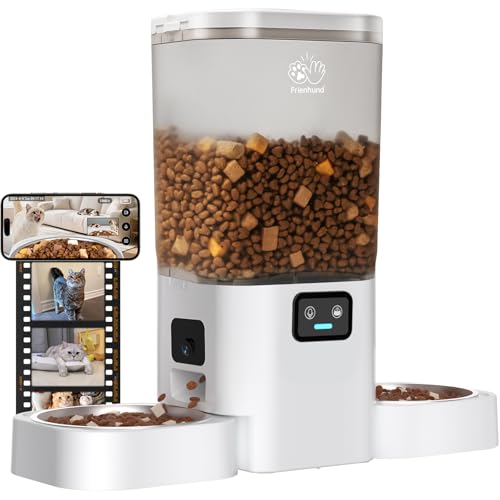

You know the struggle: you buy a new automatic feeder, set it up with high hopes, and then hear the dreaded grinding sound as kibble gets stuck. Your pet’s food size matters more than you might think, especially when you rely on a camera feeder to monitor meals while you’re away. Whether you have a Great Dane chomping on large breed kibble or a picky cat who prefers tiny morsels, choosing the right feeder can save you frustration and keep your pet fed on schedule. In this guide, we evaluate five top-rated pet feeders with camera that handle various kibble sizes, from small cat bites to large dog chunks, so you can find the perfect match for your furry friend. For more options tailored to small kibble, check out our best pet feeders with camera for small kibble guide.

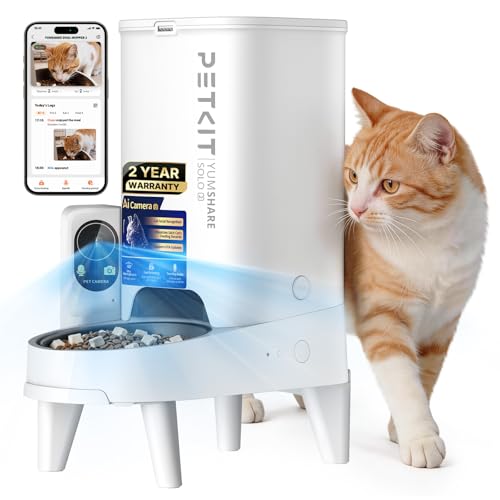
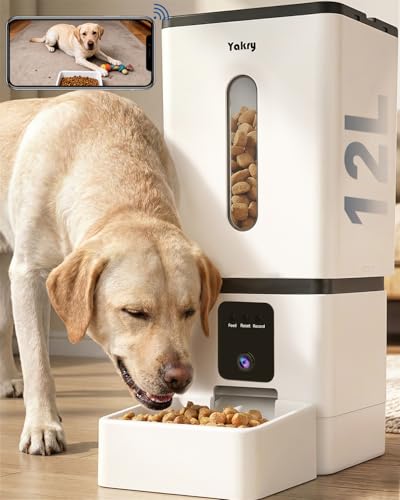


Buying Guide: What to Look For in a Pet Feeder with Camera for Different Kibble Sizes
Kibble Size Compatibility and Anti-Jam Design
The most critical factor is whether the feeder can handle your pet’s specific kibble size. Large breed kibble can be up to 28 mm in diameter, while small breed or cat kibble is often under 10 mm. Look for feeders that specify a maximum kibble size, and check if they have features like wide dispensing outlets, sloped hoppers, or agitators to prevent clogs. Some models include auto-reverse mechanisms that clear trapped kibble, adding extra reliability. For a deeper dive into kibble-specific feeders, see our best kibble feeders with camera article.
Camera Quality and Night Vision
A clear camera lets you verify that food has been dispensed and your pet is eating. Look for at least 1080p HD resolution, a wide viewing angle (140 degrees or more), and infrared night vision so you can check in during the dark. Some feeders offer AI-powered motion detection that captures and categorizes events like feeding and eating, making it easy to review your pet’s day. If you want more details on camera features, our best dry food pet feeders with camera guide covers top picks.
Portion Control and Feeding Flexibility
Different kibble sizes can affect portion accuracy, so choose a feeder that allows precise adjustments. Many models let you set portions in increments of 10 grams or by number of servings per meal, with up to 15 meals per day. This flexibility is essential for managing your pet’s weight and dietary needs, especially if you have multiple pets with different feeding schedules. For multi-pet households, consider feeders with facial recognition to track which pet has eaten.
Capacity and Power Backup
The hopper size determines how often you need to refill, which is especially important for large breeds or multi-pet homes. Capacities range from 5 liters to 15 liters, with some holding enough for weeks of feeding. Also, look for battery backup support (usually 3 D-cell batteries) so your feeder continues operating during power outages. This ensures your pet never misses a meal, even if the WiFi goes down. For more insights, visit our feeders with camera category page.
Final Thoughts
Choosing the right pet feeder with camera for your pet’s kibble size comes down to matching the feeder’s specifications with your pet’s needs. For large breed owners who need a massive capacity and reliable anti-jam performance, the Gwozn Automatic Dog Feeder Large Breed stands out with its 15-liter hopper and 23 mm kibble path. If you have multiple cats or small dogs and want advanced AI features like facial recognition, the PETKIT Upgraded Multi-Cat Recognition Automatic is an excellent choice that ensures each pet gets the right portions. Both feeders offer excellent camera quality and two-way audio, giving you peace of mind whether you’re at work or on vacation.
Related Guides
- Best Smart Dog Feeders with WiFi for 2026
- How to Prevent Automatic Feeder Jams
- How Does an Automatic Pet Feeder Work
Frequently Asked Questions
Can I use any kibble size in a pet feeder with camera?
Not all feeders are designed for every kibble size. Always check the manufacturer’s specifications for maximum kibble diameter. Feeders with wider dispensing outlets and anti-jam mechanisms work best for large kibble, while small kibble may require a feeder with smaller openings to prevent over-dispensing. For specific recommendations, refer to our guide for small kibble feeders.
How do I prevent my pet feeder from jamming with large kibble?
Choose a feeder that specifies compatibility with large kibble sizes (e.g., up to 23 mm or 28 mm). Look for features like a sloped hopper, agitator, and auto-reverse function that help clear blockages. Regularly cleaning the dispensing mechanism and using dry kibble also reduces the risk of jams.
Do pet feeders with camera work with both cats and dogs?
Yes, many feeders are designed for both cats and dogs, but check the kibble size compatibility. Cat kibble is typically smaller, so feeders with adjustable portion sizes and smaller dispensing outlets work well. Some models include multi-pet recognition to track which pet eats, making them ideal for households with both species. For more options, visit our automatic feeders category.
What happens if the WiFi goes out on my smart feeder?
Most smart feeders with camera retain their programmed feeding schedules when offline, especially if they have battery backup. However, live video streaming and remote control features will be unavailable until the WiFi connection is restored. Some models save feeding logs locally and sync them once the connection returns.