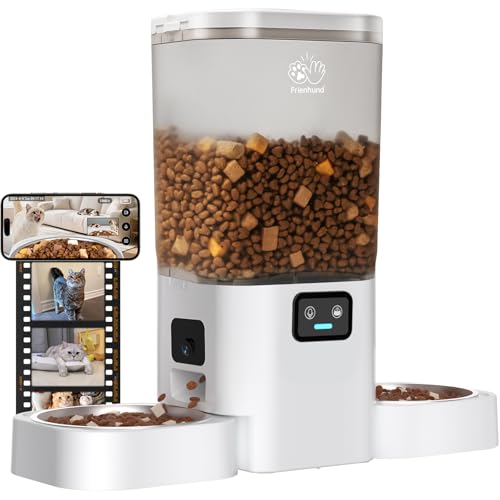

You have multiple cats, each with different dietary needs or eating speeds. One cat finishes her meal in seconds, then tries to steal from the other bowl. You worry about who is eating enough and who is sneaking extra portions. Traditional feeders cannot tell one pet from another, but smart feeders with AI pet recognition can. These devices use facial recognition, full-body identification, or RFID collar tags to identify each animal, log their food intake, and even restrict access to specific bowls. In this guide, we review four of the best pet feeders with AI pet recognition available in 2026, covering models from PETKIT and PETLIBRO that offer cameras, food tracking, and multi-pet support.
If you are new to smart feeders, start by browsing our overview of feeders with camera to understand the broader category. Then dive into our detailed evaluations below.
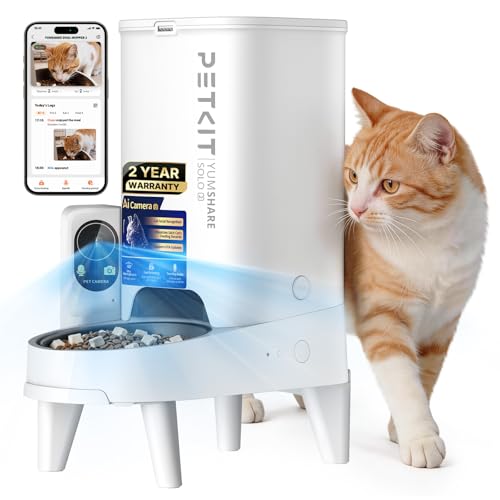


Buying Guide: What to Look for in a Pet Feeder with AI Recognition
Recognition Technology: Facial, Full-Body, or RFID
The core feature is how the feeder identifies each pet. Some use AI-powered facial recognition through a built-in camera, while others rely on full-body detection or RFID collar tags. Facial recognition works well for cats and dogs that approach the feeder head-on, but it may fail in low light or if the pet has a similar coat pattern. RFID tags offer near‑100% accuracy because the feeder reads a unique chip in the collar, but you must keep the collar on the pet at all times. For multi‑pet homes with strict dietary plans, RFID is the most reliable; for general tracking and video logging, camera‑based recognition is sufficient.
Camera Quality and Two‑Way Audio
A clear camera lets you check on your pets remotely and see who is eating. Look for at least 1080p resolution with infrared night vision. A wide viewing angle (140° to 170°) ensures you can see the entire feeding station. Two‑way audio adds the ability to call your pet over or calm them with your voice. Some feeders also record short video clips of feeding events and store them on the cloud (often with a subscription). If you want to keep an eye on eating habits without being home, choose a model with a good camera and app‑based live view.
Food Intake Tracking and Reporting
Beyond identifying who ate, advanced feeders measure exactly how much each pet consumed. Built‑in gram‑level scales weigh the food before and after a meal, and the app logs daily, weekly, and monthly trends. This data helps you spot appetite changes early, which can be a sign of health issues. For cats on weight management plans, precise tracking is invaluable. Our best pet feeders with camera for weight management guide covers more options if this is your primary concern.
Freshness and Reliability
A sealed food tank with a multi‑layer freshness system prevents kibble from going stale. Stainless steel bowls are easy to clean and resist bacterial buildup. Battery backup ensures the feeder continues to operate during power outages or Wi‑Fi interruptions. Low‑food and jam alerts give you peace of mind. Look for a large capacity (3 to 5 liters) if you have multiple pets or travel often.
Final Thoughts
After evaluating four leading models, we recommend the PETKIT Upgraded Multi-Cat Recognition Automatic for households that want a dependable facial‑recognition feeder with excellent video recording and two‑way audio at a fair price point. For pet parents who need absolute accuracy in portion control and can keep collars on their cats, the PETLIBRO RFID Automatic Cat Feeder offers unmatched anti‑stealing protection and individualized meal plans. Either choice will bring peace of mind and healthier eating routines for your furry family members.
Related Guides
- Best Smart Dog Feeders with WiFi for 2026
- How to Prevent Automatic Feeder Jams
- How Does an Automatic Pet Feeder Work
Frequently Asked Questions
Do AI pet feeders work with both cats and dogs?
Yes, many models like the PETKIT Upgraded Multi‑Cat Recognition feeder support both cats and dogs. The AI can be trained to recognize up to 15 pets of either species. Just upload photos of each animal’s face in the app.
Can I use an RFID feeder without a collar?
No, RFID feeders require the pet to wear the provided collar tag. The sensor only activates when the specific tag is near the bowl. If your cat refuses collars, consider a camera‑based model instead.
How much food tracking data do these feeders store?
Basic tracking (meal times and portions) is typically stored locally or in the app for free. Video clips and detailed analysis often require a subscription. For example, PETLIBRO’s Video Cloud AI subscription stores feeding session recordings. Check the product details before purchasing.
Are these feeders easy to clean?
Most have removable stainless steel bowls that are dishwasher safe. The food tanks should be wiped with a dry cloth; avoid submerging the electronics. Regular cleaning every two weeks prevents odor and bacterial growth.
For more smart feeder options, see our list of smart WiFi feeders.