

You have a dog who needs to shed a few pounds, and you know consistent portion control is key. But life gets busy, and measuring every meal by hand is a hassle. Smart feeders solve that problem by automating precise portions, scheduling meals, and even letting you check in via camera. In this guide, we review five of the best smart feeders for dogs on a diet in 2026, focusing on models that help you manage portions, prevent overeating, and keep your dog healthy. Whether you have a large breed or a smaller dog with a hearty appetite, these feeders offer the control you need. For a broader look at weight management tools, check out our roundup of smart feeders for weight management.
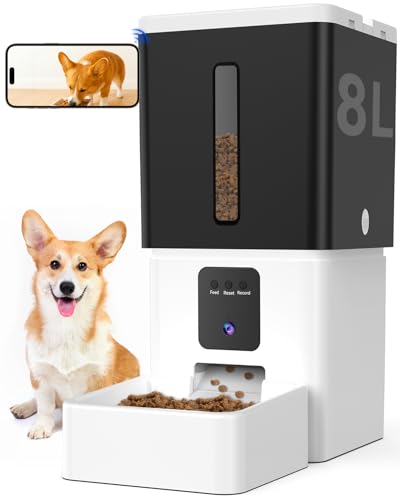

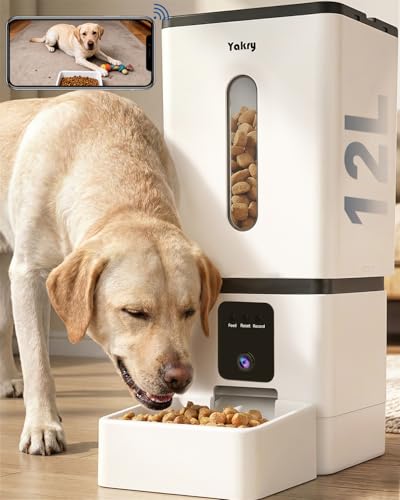


Buying Guide: What to Look for in a Diet-Friendly Smart Feeder
Portion Precision and Scheduling
The core of any diet plan is accurate portion sizes. Look for feeders that let you set portions in small increments, like 10g per serving, and schedule multiple meals per day. The ability to adjust portions remotely via app is a huge plus when your dog’s needs change. Many models offer up to 15 meals daily, which supports a “little and often” feeding routine that can boost metabolism. For more on portion control, see our guide to smart feeders for portion management.
Camera and Remote Monitoring
A built-in camera lets you confirm that food was dispensed and see if your dog is actually eating. This is especially valuable when you are away for work or travel. Night vision and two-way audio let you comfort your pet or check on them after dark. Models with 1080P or higher resolution and wide-angle lenses give you a clear view of the feeding area. If monitoring is a priority, you might also explore feeders with food-level sensors.
Anti-Jam and Kibble Compatibility
Diet kibble often comes in larger or irregular shapes. An anti-jam system with a powerful motor and agitator prevents clogs. Some feeders are rated for kibble up to 20mm or even 28mm, which is important for large-breed diets. Look for auto-reverse features that clear trapped food. A sloped hopper also helps food flow smoothly. For related tips, read about smart feeders with food sensors that can alert you to blockages.
Capacity and Backup Power
If you have a large dog or multiple pets, a larger hopper (10L or more) reduces refill frequency. For diet management, a bigger capacity means you can pre‑fill the feeder with the exact daily ration and let it dispense over several days. Dual power supply (AC plus battery backup) ensures meals continue during outages. Some feeders also offer a visible food window so you can see the remaining kibble at a glance. For more on backup reliability, see feeders with food-level alerts.
Final Thoughts
Choosing the best smart feeder for your dog on a diet comes down to portion control, monitoring, and reliability. For large breeds that need generous capacity and precise scheduling, the Automatic Dog Feeder for Large Dogs, 14L Capacity stands out with its 14L hopper and app‑based meal planning. If you want camera monitoring and two‑way audio to keep an eye on your dog, the UTCG Automatic Dog Feeder with Camera offers excellent value with 1080P video and night vision. Both models support portion control and anti‑jam features, making them strong allies in your dog’s weight management journey.
Related Guides
- Best Smart Dog Feeders with WiFi for 2026
- How to Prevent Automatic Feeder Jams
- How Does an Automatic Pet Feeder Work
Frequently Asked Questions
How do smart feeders help dogs lose weight?
Smart feeders automate portion control by dispensing a preset amount of kibble at scheduled times. This eliminates overfeeding and ensures your dog gets the exact daily calories recommended by your vet. Many models allow you to adjust portions remotely, so you can fine‑tune the diet as your dog progresses. For a deeper dive, see our guide to diet control feeders.
Can I use a smart feeder with prescription diet kibble?
Yes, but check the kibble size compatibility. Most smart feeders handle kibble up to 15‑20mm, while some large‑breed models accept up to 28mm. Prescription diets often use larger or denser kibble, so look for an anti‑jam system and a wide food outlet. The feeders we reviewed are all verified to work with standard dry kibble.
Do smart feeders work without WiFi?
Many smart feeders can operate offline using preset schedules stored in the device. With battery backup, they continue dispensing even during a power or WiFi outage. However, remote control and camera features require an active WiFi connection. Models with dual‑band WiFi (2.4GHz and 5GHz) offer more flexible setup.
How often should I clean a smart feeder?
We recommend cleaning the hopper, bowl, and dispensing rotor every two weeks to prevent stale food and bacterial buildup. Many feeders have removable parts that are dishwasher safe. Regular cleaning also helps maintain accurate portion dispensing. For tips on maintenance, check our feeders with weight sensors guide.


