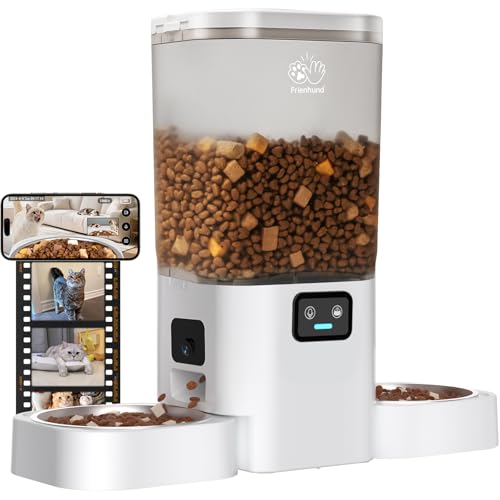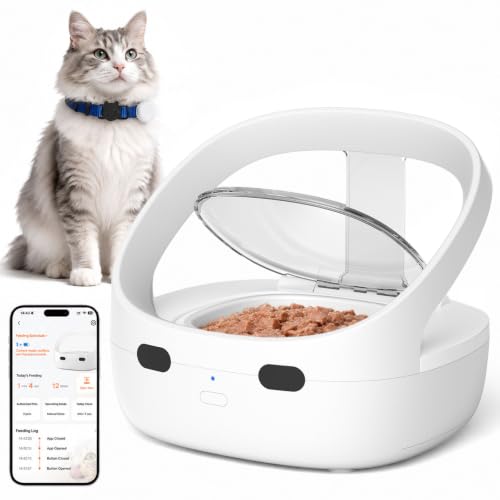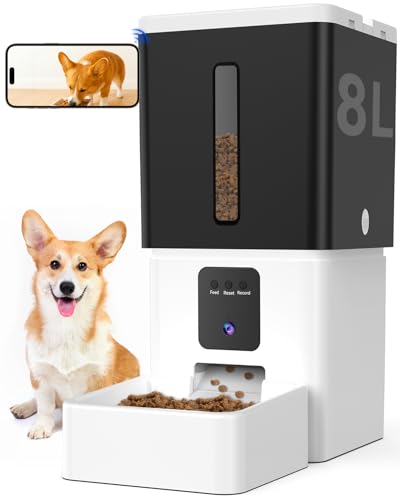

Yes, automatic feeders can dispense wet food, but they require specific features to manage moisture, spoilage, and cleaning. Unlike dry kibble, wet food spoils quickly at room temperature, so a standard feeder designed for dry food will not work. If you are considering an automatic feeder for wet food, you need to look for models with cooling systems, sealed compartments, and easy to clean parts. This article explains how these feeders work and what to watch out for.
The Spoilage Problem: Why Wet Food Is Different
Wet food has a high moisture content, which makes it a breeding ground for bacteria once opened. At room temperature, bacteria can multiply rapidly, leading to spoilage within hours. An automatic feeder that dispenses wet food must keep the food at a safe temperature and limit exposure to air.
Most standard automatic feeders are designed for dry kibble, which does not spoil as quickly. If you use a dry food feeder for wet food, you risk your pet getting sick. This is the primary reason why not all automatic feeders can handle wet food.
Cooling Mechanisms: How Feeders Keep Wet Food Fresh
To combat spoilage, many wet food compatible feeders include cooling systems. Some use ice packs or gel packs that you freeze and insert into the feeder. Others have built in refrigeration units that maintain a consistent cool temperature.
These cooling mechanisms slow down bacterial growth and keep the food fresh for longer. However, they require preparation and regular monitoring. You need to freeze the packs and replace them as needed, which adds to the daily routine.
Cleaning and Maintenance: A Critical Factor
Wet food leaves residue that can quickly become rancid and attract pests. An automatic feeder for wet food must be easy to disassemble and clean thoroughly. Look for feeders with removable bowls, seals, and trays that are dishwasher safe or easy to hand wash.
Neglecting cleaning can lead to mold and bacteria buildup, which poses health risks to your pet. You should plan to clean a wet food feeder after each use or at least daily. This is more demanding than dry food feeder maintenance.
Portion Control and Texture Adjustments
Wet food comes in different textures, from pate to chunks in gravy. An automatic feeder must be able to handle these variations without clogging. Some feeders have augers or paddles designed to move wet food smoothly.
Portion control is also important. Wet food portions can be messier than dry kibble. Look for feeders that allow you to set precise serving sizes to avoid waste and overfeeding. The feeder should also seal well between meals to prevent drying out.
Who Benefits Most from a Wet Food Feeder
Automatic feeders for wet food are ideal for pet owners who need to feed their pets multiple small meals a day but are away during the day. Cats and small dogs that eat wet food can benefit from scheduled feedings.
They are also useful for pets with medical conditions that require a wet diet, such as urinary tract issues or dental problems. However, the convenience must be weighed against the extra effort of cooling and cleaning.
What to Look for in a Wet Food Automatic Feeder
- Choose a feeder with a cooling system, such as ice packs or a refrigeration unit, to keep wet food at a safe temperature.
- Ensure the feeder is easy to disassemble and clean; look for dishwasher safe parts and removable seals.
- Check that the feeder can handle the texture of your pet’s wet food without clogging; some models are designed specifically for pate or chunks.
- Look for adjustable portion control to serve the right amount and prevent waste.
- Consider the feeder’s seal quality to keep the food fresh between meals and prevent odors.
- Read the manufacturer’s instructions carefully to understand the limitations and maintenance requirements for wet food.
For more detailed guidance on choosing the right feeder for your pet, explore our blog where we cover various feeding solutions and tips. You can find articles that delve deeper into automatic feeder features and pet nutrition.
Related Guides
Frequently Asked Questions
Can an automatic feeder keep wet food fresh for multiple days?
Most wet food feeders are designed to keep food fresh for up to 24 to 48 hours with proper cooling. Beyond that, spoilage risk increases. Always check the manufacturer’s recommendations and clean the feeder regularly.
What type of wet food works best in automatic feeders?
Wet food with a consistent texture, such as pate or minced varieties, tends to work best. Foods with large chunks or gravy may clog the dispensing mechanism. Some feeders specify which textures they can handle.
How often should I clean a wet food automatic feeder?
You should clean the feeder after each meal or at least once daily. Wet food residue spoils quickly and can harbor bacteria. A thorough cleaning prevents health issues and keeps the feeder working properly.
Do wet food feeders require special accessories like ice packs?
Many wet food feeders come with ice packs or gel packs that need to be frozen before use. Some models have built in refrigeration. Check if the feeder includes these accessories or if you need to purchase them separately.
Is it safe to use an automatic feeder for wet food with my cat or dog?
Yes, as long as you follow the manufacturer’s guidelines for cooling, cleaning, and portion control. Proper maintenance ensures the food remains safe and your pet stays healthy. Consult your veterinarian if you have concerns about your pet’s diet.
Automatic feeders can dispense wet food, but they require careful selection and diligent maintenance to keep your pet safe. By understanding the challenges of spoilage, cooling, and cleaning, you can decide if a wet food feeder is right for your pet.