
Imagine it’s a freezing winter night, and your dog is scratching at the door to go out one last time. You brace yourself for the blast of cold air, but with a PetSafe Extreme Weather pet door, you can stay cozy on the couch while your furry friend comes and goes freely. That’s the promise of this line: keeping your home’s temperature stable while giving your pet independence. In this guide, we’ll break down the key features, compare the best models, and help you decide if one of these doors is right for your home.
Whether you have a small cat or a large dog, PetSafe offers a range of Extreme Weather doors designed for different installation points: plastic doors for standard doors, sliding glass inserts for patio doors, and wall-entry options for more flexibility. We’ll cover the pros and cons of each, so you can make an informed choice. If you’re also considering other secure door options, check out our guide to the most secure dog doors for added peace of mind.




Buying Guide: What to Look for in an Extreme Weather Pet Door
1. Insulation and Energy Efficiency
The whole point of an “extreme weather” door is to minimize heat loss or gain. PetSafe’s three-flap system is a standout feature. The center flap is insulated, and the magnetic seals on each flap create a tight barrier against drafts. This design is more energy efficient than a single-flap door, which can be a significant advantage if you live in an area with harsh winters or scorching summers.
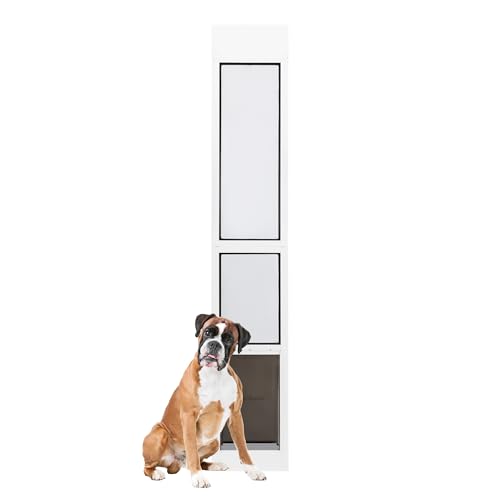
Look for doors with multiple flaps and magnetic closures. The PetSafe Extreme Weather Plastic Dog Door is rated for temperatures from -10 to 100 degrees Fahrenheit, making it a versatile choice. If you have a sliding glass door, the PetSafe Extreme Weather Sliding Glass Pet Door includes dual-paned glass and weather stripping, which further enhances insulation. For more on wall-entry options, see our PetSafe wall entry pet door review.
2. Installation and Fit
Consider where you want to install the door. Plastic door models are designed to fit standard doors (wood, metal, PVC) with a thickness between 1 5/8 and 2 1/4 inches. They come with a cutting template and step-by-step instructions, making them a do-it-yourself project for most homeowners. On the other hand, sliding glass door inserts are easier to install because they fit into your existing track without cutting. They are also removable, which is a big plus for renters.
Wall-entry doors require cutting into your wall, which is more complex. The PetSafe Wall Entry Pet Door, Telescoping, has a telescoping tunnel that adapts to wall thicknesses from 4 3/4 to 7 1/4 inches. This flexibility is great, but you’ll need to be comfortable with a more involved installation. If you’re not handy, you might want to hire a professional.
3. Security and Control
You want to control when your pet goes outside, especially at night or when you’re away. Many PetSafe doors come with a sliding closing panel that can be snapped in to block the opening. This is a simple but effective way to keep your pet inside. For an extra layer of weather protection, you can purchase a second closing panel, like the PetSafe Snap-On Closing Panel Pet Door Cover.
For sliding glass doors, a security bar is included to prevent the door from being forced open. This adds peace of mind, especially on the ground floor. If you have a large dog, ensure the door size matches your pet’s height and width. The PetSafe Extreme Weather Plastic Dog Door in Large has a flap opening of 10 1/8 x 16 7/8 inches, which accommodates most big breeds.
4. Durability and Materials
Your pet door will face constant use and harsh weather, so durability is key. PetSafe uses high-quality plastic frames that resist rust and UV damage. The flaps are made of flexible, non-toxic materials that withstand biting and scratching. For example, the PetSafe Freedom Replacement Pet Door Flap is designed to be weather-resistant and easy to replace when it wears out.
When choosing a model, check the material thickness and reviews. A well-built door will last for years. If you’re leaning toward a plastic door, our PetSafe plastic door review offers more insights. And for those with sliding glass doors, the PetSafe sliding glass pet door medium review covers a popular size option.
Final Thoughts
After reviewing the lineup, we confidently recommend the PetSafe Extreme Weather Plastic Dog Door for most homeowners because it offers excellent insulation and easy installation at an accessible price point, making it a smart upgrade for standard doors. If you have a sliding glass door and want the ultimate in energy efficiency without permanent modifications, the PetSafe Extreme Weather Sliding Glass Pet Door is our top pick, thanks to its dual-paned glass and removable design. Both doors deliver the freedom your pet craves while keeping your home comfortable, so you can enjoy a warmer (or cooler) house and a happy companion.
Related Guides
Frequently Asked Questions
How energy efficient is a PetSafe Extreme Weather pet door?
PetSafe’s three-flap system with magnetic seals significantly reduces drafts compared to single-flap doors. The insulated center flap helps maintain your home’s temperature in extreme conditions, which can lower your heating and cooling costs. For the best results, ensure the door is properly installed and the flaps are in good condition.
Can I install a PetSafe Extreme Weather pet door myself?
Yes, most models are designed for DIY installation. Plastic door models come with a cutting template and clear instructions. Sliding glass door inserts are even easier, as they fit into your existing track without cutting. Wall-entry doors are more complex and may require a professional if you’re not comfortable with cutting into your wall.
Will the door fit my dog or cat?
PetSafe offers multiple sizes for different pets. Measure your pet’s height and width at the shoulders to choose the right size. For large dogs, the Large size typically has a flap opening of around 10 x 16 inches. If you have a smaller pet, consider the Small size, like the PetSafe Extreme Weather Plastic Pet Door, Small.
How do I clean or replace the flap?
The flaps are removable for easy cleaning, and you can replace them with a PetSafe Freedom Replacement Pet Door Flap when they wear out. Simply unscrew the old flap and attach the new one with a screwdriver. Regular cleaning will keep the door working smoothly and maintain its insulation properties. For more tips on pet door maintenance, check out our gift ideas for cat lovers that include useful accessories.