
Imagine your dog scratching at the door every hour, or your cat meowing to go out at dawn. A plastic pet door from PetSafe can end that constant back-and-forth, giving your furry friend the freedom to come and go while you stay comfortable inside. In this guide, we review the best PetSafe plastic door options, from compact models for small pets to extra-large flaps for giant breeds, and help you pick the right one for your home.


Buying Guide
Size and Pet Weight
The most critical factor is matching the door opening to your pet’s size. A flap that is too small will make your pet uncomfortable, and they may refuse to use it. Measure your pet’s height and width at the chest to ensure a proper fit.
PetSafe offers a range of sizes, from medium for pets up to 40 lb to extra-large for pets up to 220 lb. For giant breeds, you’ll need the PetSafe Plastic Dog & Cat Door, Pets Up to 220 lb, but for average dogs, the medium model is usually sufficient. For more guidance on large breeds, check our large dog door reviews.
Installation and Door Compatibility
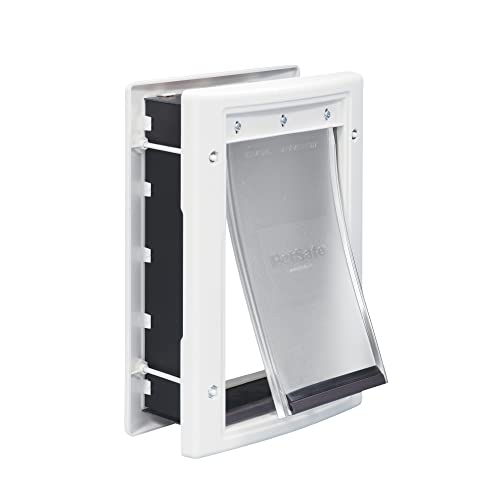
Most PetSafe plastic doors are designed for DIY installation on interior or exterior doors, including wood, PVC, metal, and paneled doors. Check the thickness of your door, as most models fit doors between 1/16 and 2 inches thick. The process typically involves cutting a hole, inserting the frame, and securing it with screws.
If you have a sliding glass door, you might want to explore our PetSafe sliding glass door review for alternative solutions. For standard doors, the included template and instructions make installation straightforward, even for beginners.
Flap Features and Weather Resistance
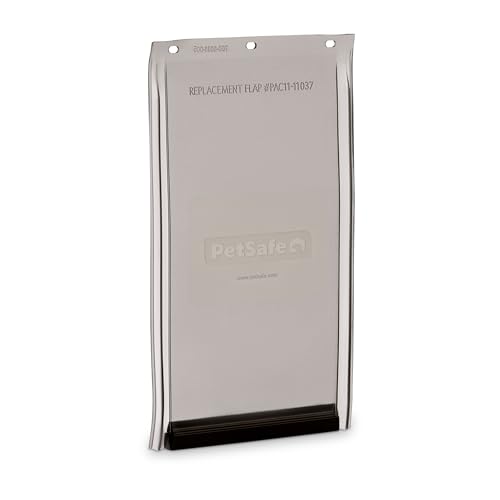
Look for flaps with magnetic closures to keep out drafts, rain, and insects. The PetSafe Freedom replacement flaps are weather-resistant and feature a magnetic seal. Some models include a snap-on closing panel, allowing you to block access when needed, which is handy for keeping stray animals out.
For harsh climates, consider a weatherproof pet door. Our weatherproof pet door reviews can help you find a model with better insulation. If you already own a PetSafe door, replacing the flap is an easy way to restore weather resistance.
Security and Access Control
Some pet owners worry about security. Plastic doors with locking panels offer basic control, but for advanced security, you might consider electronic or microchip doors. However, for many households, a simple plastic door with a secure lock is sufficient.
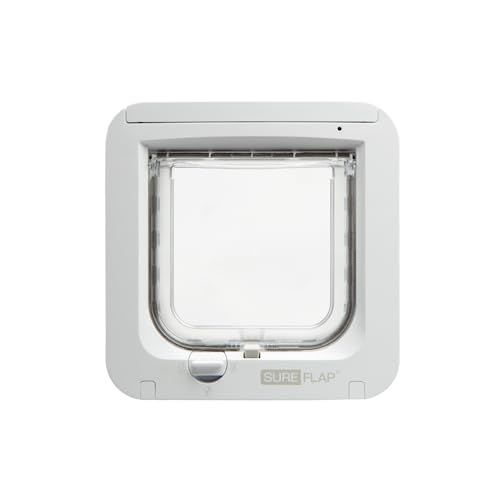
If you’re interested in tech-enabled options, our SureFlap microchip door review covers a smart alternative. But for a budget-friendly, reliable solution, a PetSafe plastic door is a solid choice.
Final Thoughts
Whether you have a small cat or a giant dog, PetSafe offers a durable, paintable plastic door that fits your needs. For most pet owners, the PetSafe Plastic Dog & Cat Door, Pets Up to 40 lb is the perfect balance of size and convenience, while those with larger breeds should opt for the PetSafe Plastic Dog & Cat Door, Pets Up to 220 lb. Both models feature easy installation and a snap-on closing panel, giving you control and your pet the freedom they deserve.
Frequently Asked Questions
How do I install a PetSafe plastic pet door?
Installation is a DIY project. Use the included template to mark the cutout on your door, cut with a jigsaw, insert the frame, and screw it in place. Most models fit doors up to 2 inches thick. Check the instructions for your specific model.
Can I paint the PetSafe plastic door frame?
Yes, the frame is paintable, allowing you to match your door’s color. Use a high-quality exterior paint and allow it to dry completely before installation.
What sizes are available for PetSafe plastic doors?
PetSafe offers medium, large, and extra-large sizes. The medium fits pets up to 40 lb, while the extra-large accommodates pets up to 220 lb. For small pets under 15 lb, consider a smaller flap, but the medium is often suitable.
How do I replace the flap on my PetSafe door?
Replacement flaps are available for most PetSafe doors. Simply remove the old flap by unscrewing the frame, slide in the new flap, and tighten the screws. For more tips, see our pet motion sensor reviews for related smart home ideas.