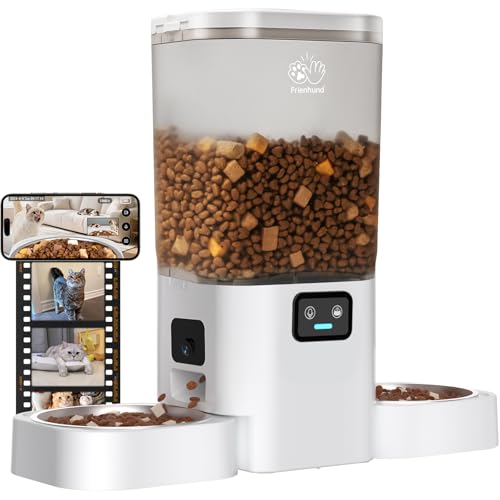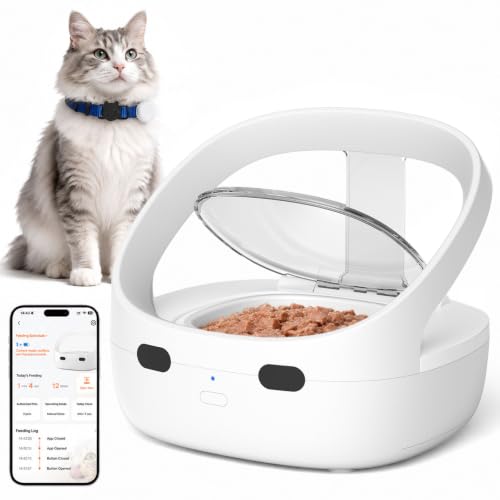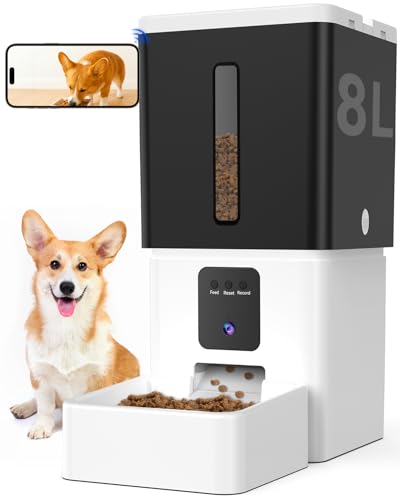

Your busy schedule should never mean your pet misses a meal. Whether you work long hours, travel frequently, or simply want to maintain a consistent feeding routine, an automatic timed feeder can be a game-changer. In this guide, we review five of the top automatic timed feeders on the market, covering options from PETLIBRO, Voluas, ANDOLL HOME, and Nityers. We focus on key features like portion control, scheduling flexibility, power backup, and freshness preservation to help you find the right match for your cat or dog. For more hands-on product evaluations, visit our Product Reviews category.


Buying Guide: What to Look for in an Automatic Timed Feeder
Capacity and Portion Control
The size of the food tank determines how often you need to refill it. For a single cat, a 4L or 5L tank (like the PETLIBRO and VOLUAS models) can last a week or more. For multiple pets or larger dogs, an 8L capacity (like the Nityers feeder) offers up to a month of autonomy. Portion control is equally important: look for adjustable servings measured in portions or tablespoons. The PETLIBRO feeders allow 1 to 50 portions per meal, while the VOLUAS offers 0 to 40 portions. This precision helps manage weight and prevents overeating.
Power Options and Backup
A power outage shouldn’t leave your pet hungry. Most automatic feeders offer dual power: a USB or AC adapter plus battery backup. The PETLIBRO models use USB-C and D-cell batteries, lasting 30 to 50 days on batteries alone. The ANDOLL HOME and VOLUAS feeders also support battery backup with AA or D batteries. The Nityers feeder uses Type-C and AA batteries. A reliable backup ensures your pet gets fed even during blackouts. If you travel often, prioritize models with longer battery life.
Programmability and Scheduling
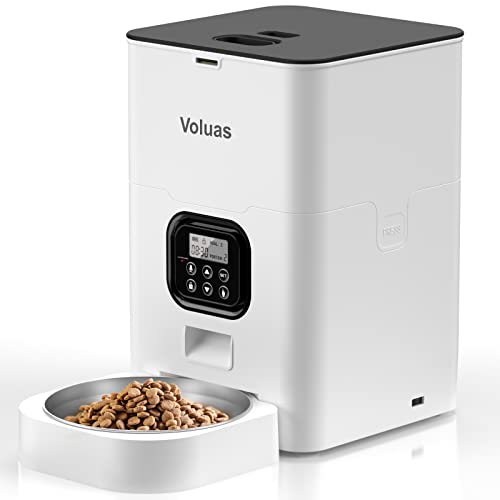
How many meals per day can you set? Basic models like the VOLUAS allow up to 4 meals, while the PETLIBRO and Nityers feeders offer up to 6 or 10 meals daily. The PETLIBRO WiFi model even lets you control and monitor feeding via smartphone app, with notifications for low food or jams. If you want to adjust portions remotely or check feeding history, a WiFi-enabled feeder is worth the extra cost. For simpler needs, a programmable LCD interface like the VOLUAS or Nityers is perfectly adequate.
Freshness and Safety Features
Stale kibble is unappetizing and can lose nutrients. Look for feeders with airtight seals, desiccant compartments, and locking lids. The PETLIBRO feeders feature a patent rotor, twist-lock lid, and sealing strip to keep food crunchy. The ANDOLL HOME includes a desiccant box and a tilted bowl for comfortable eating. Anti-jam mechanisms are also critical: infrared sensors on PETLIBRO models stop dispensing if a blockage occurs, protecting your pet and the motor. Stainless steel bowls (like on PETLIBRO and Nityers) prevent chin acne and are easy to clean.
For more detailed comparisons of pet tech products, check out our Pet Tech Guides.
Final Thoughts
Choosing the right automatic timed feeder depends on your pet’s size, your daily routine, and how much control you want over feeding. For pet owners who value remote access and detailed scheduling, the PETLIBRO Automatic Cat Feeder with WiFi is a standout choice with its app control, up to 10 meals per day, and smart notifications. If you prefer a straightforward, budget-friendly option that still offers voice recording and reliable battery backup, the VOLUAS Automatic Cat Feeder delivers excellent value. Both models keep food fresh and your pet happy, giving you peace of mind whether you’re at work or away.
Related Guides
- Best Gravity Pet Feeders for Cats and Dogs
- How Does an Automatic Pet Feeder Work
- How to Program an Automatic Pet Feeder
Frequently Asked Questions
Can automatic timed feeders handle wet food?
Most automatic timed feeders are designed for dry kibble only. Wet food can clog dispensers and spoil quickly if not refrigerated. If you need to feed wet food, look for models with a cooling compartment or consider a separate wet food dispenser. For dry food, any of the feeders reviewed here work well.
How do I clean an automatic pet feeder?
Cleaning is simple with removable parts. Most feeders have detachable hoppers, rotors, and bowls that are dishwasher safe or hand-washable. Wipe the base with a damp cloth. Regular cleaning every few weeks prevents bacteria buildup and keeps kibble fresh. Check the user manual for specific instructions.
What if my pet is a chewer or tries to break into the feeder?
Many feeders come with locking lids and anti-paw mechanisms. The PETLIBRO and ANDOLL HOME models have twist-lock lids that prevent pets from prying them open. For aggressive chewers, choose a feeder with a sturdy plastic or metal construction. Place the feeder in a secure location away from walls to reduce leverage.
How long will an automatic feeder last on batteries alone?
Battery life varies by model and usage. The PETLIBRO feeder with D-cell batteries can last 30 to 50 days. The VOLUAS and ANDOLL HOME feeders use AA or D batteries and typically run for several weeks. For extended trips, use the power adapter to conserve batteries. Always keep spare batteries on hand. For more tips on pet tech, visit our Pet Tech Guides page.