

Imagine your dog slips out the back gate while you are gardening. Your heart races. Do you reach for a device that shows you exactly where they are every few seconds, or one that tracks their sleep and activity patterns to catch health issues early? This is the core of the GPS tracker versus pet health monitor debate. Both types of wearables add value, but they serve distinct purposes. In this guide, we break down the differences and help you decide which technology (or combination) fits your dog’s lifestyle and your peace of mind. We have hands-on experience with each product and evaluated them based on real-world use. If you are new to pet tech, our Pet Tech Guides offer a broader overview of the category.



Buying Guide
GPS Tracking Accuracy and Range
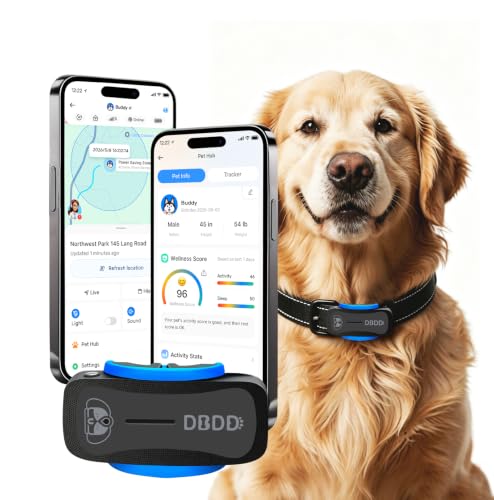
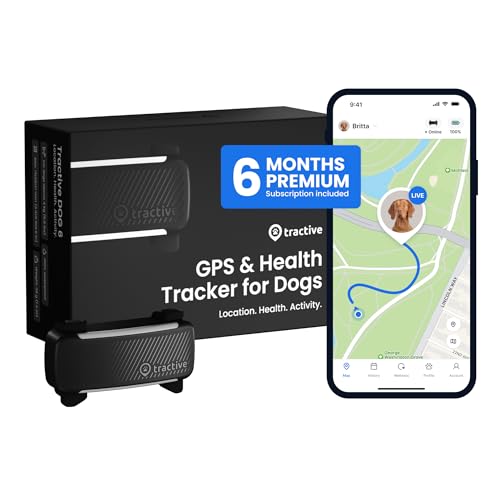
If your primary concern is knowing where your dog is at all times, GPS accuracy and update frequency matter. Devices like the Tractive Smart Dog GPS Tracker update location every 2 to 3 seconds and work nationwide, while the Purina Petivity Dog GPS Tracker Collar uses standard GPS and requires cellular coverage. The DBDD GPS Dog Trackers also provide real-time location and movement history. For escape artists or dogs that roam, a tracker with virtual fence alerts and live tracking is essential. Our Comparisons category covers more location-focused options.
Health and Activity Monitoring
Pet health monitors like the FitBark 2 Dog Activity Monitor focus on wellness metrics: sleep quality, calorie balance, mobility, and even skin condition indicators. They do not include GPS, so you trade location tracking for detailed insights that can help detect early signs of discomfort or disease. The Tractive and DBDD trackers combine GPS with health monitoring, but their health features are more basic (heart rate, respiratory rate, activity levels). If you have a dog with a chronic condition or you simply want to optimize their daily exercise, a dedicated health monitor may be the better choice.
Battery Life and Durability
A GPS tracker that needs daily charging can become a burden. The FitBark 2 offers up to six months of battery life on a single charge, making it nearly set-and-forget. Tractive claims up to 10 days with power saving zones. The DBDD and Purina trackers require more frequent charging. All listed devices are waterproof and rugged, but if you dislike recharging, the FitBark is the clear winner. For active dogs that spend hours outdoors, choose a device with a battery that matches your routine.
Subscription Costs and Ongoing Fees
GPS trackers generally require a monthly or yearly subscription for cellular data and SIM card access. Tractive bundles six months of premium service with the device purchase. Purina Petivity also requires a subscription (not included). The DBDD trackers offer flexible subscription plans. In contrast, the FitBark 2 has no recurring fees, you buy it once and use its Bluetooth connection to your phone. If you want to avoid ongoing costs, a health monitor that does not rely on cellular networks is more budget-friendly in the long run.
Final Thoughts
Your choice ultimately depends on what you value most. For owners who need real-time location data and virtual fence alerts, the Tractive Smart Dog GPS Tracker with 6 Month is an outstanding option that also includes basic health monitoring. But if your priority is comprehensive health insights with no battery anxiety or monthly subscriptions, the FitBark 2 Dog Activity Monitor delivers detailed wellness tracking trusted by veterinary researchers. Both devices earn their place in a pet tech toolkit, and you can even use them together for total coverage.
Frequently Asked Questions
Can a GPS tracker double as a health monitor?
Some GPS trackers, like the Tractive and DBDD models, include basic health monitoring such as heart and respiratory rate. However, they do not offer the depth of sleep analysis or behavioral insights found in dedicated health monitors like FitBark. For thorough wellness data, a separate health monitor works best.
Do pet health monitors work without a subscription?
Yes, the FitBark 2 requires no monthly fee. It syncs via Bluetooth to your phone and stores data locally. This makes it a cost-effective choice for owners who want activity and health tracking without recurring costs.
Which is better for a small dog: GPS tracker or health monitor?
For small dogs that rarely escape, a lightweight health monitor like the FitBark 2 (weighing only 10 grams) is comfortable and unobtrusive. If your small dog is a flight risk, choose a compact GPS tracker that fits on a narrow collar. Check our Pet Tech Guides for size recommendations.
Are GPS trackers accurate indoors or in remote areas?
GPS accuracy depends on satellite reception and cellular coverage. Trackers like the Tractive work best outdoors with a clear sky view. Indoors or in dense forests, location updates may be less precise. Health monitors that use Bluetooth or Wi-Fi are more reliable inside your home.
