

As a pet owner, you want the best for your furry companion. But how do you know if their health is on track? Blood pressure monitoring is a vital part of preventive care, especially for senior pets or those with chronic conditions. In this guide, we review three top pet health monitors that let you check your dog or cat’s blood pressure from the comfort of home. Whether you have a nervous cat or a large dog, there’s a device here for you. For more insights, check out our roundup of top smart pet health monitor reviews for 2026.

Buying Guide: What to Look for in a Pet Blood Pressure Monitor
Accuracy and Reliability
When monitoring your pet’s vital signs, accuracy is non-negotiable. Look for devices that use advanced oscillometric algorithms tailored for animals, as they account for faster heart rates and different vascular structures. The Heal Force monitor, for instance, features intelligent motion filtering to stabilize readings even if your pet fidgets. For more on tracking pet health trends, see our best pet tracker with location history reviews for 2026.
Ease of Use
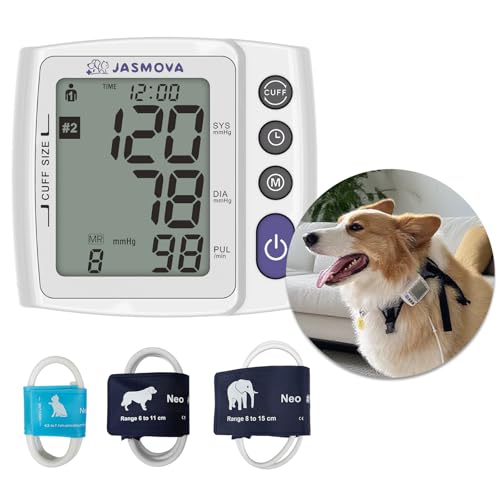
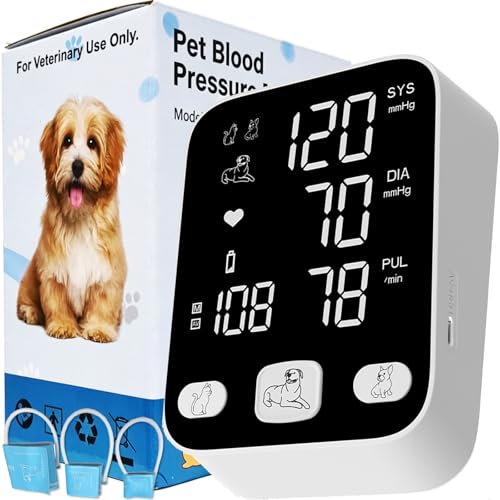
A user-friendly interface saves time and reduces stress. Both LBO models offer one-touch operation and an extra-large LCD screen with a blue backlight, making readings clear even in dim light. The Heal Force monitor uses a simple one-button design for continuous measurements. If you value convenience in pet tech, you might also enjoy our lightweight pet tracker reviews for 2026.
Comfort and Fit
Your pet’s comfort directly affects measurement quality. Choose a monitor with multiple cuff sizes to ensure a snug, non-restrictive fit. The Heal Force device includes small, medium, and large cuffs plus an adjustable chest strap, allowing natural movement during monitoring. The LBO monitors come with three specialized cuffs for various limb circumferences, suitable for dogs, cats, and even horses.
Memory and Data Tracking
Long-term health management requires consistent data. The Heal Force monitor stores up to 240 readings for two users, making it easy to track multiple pets. LBO models offer 270 memory slots with irregular heartbeat alerts, ideal for senior animals. For another perspective on pet monitoring, explore our pet robot for home reviews for 2026.
Final Thoughts
After evaluating these three devices, we recommend the Wearable Pet Blood Pressure Monitor for Dogs for pet owners who prioritize a stress-free, wearable design that allows natural movement, and the Dog Blood Pressure Monitor for Home Use Veterinary for those who need advanced features like a large LCD screen, silent operation, and extensive memory for multiple pets. Both options bring veterinary-grade monitoring into your home, giving you peace of mind and better health insights for your beloved animals.
Frequently Asked Questions
How often should I monitor my pet’s blood pressure?
For healthy pets, occasional checks during routine wellness visits are sufficient. However, for pets with conditions like kidney disease, heart problems, or hyperthyroidism, veterinarians often recommend daily or weekly monitoring. In 2026, many owners are adopting home monitoring to catch changes early. For more home monitoring tips, check out our best smart pet health monitor reviews.
Can I use a human blood pressure monitor on my pet?
Human monitors are not designed for animals. They may provide inaccurate readings due to differences in heart rate, cuff size, and vascular anatomy. Pet-specific monitors like those reviewed here use optimized algorithms and cuffs to ensure reliable results. Always choose a device certified for veterinary use.
What is a normal blood pressure for dogs and cats?
Normal systolic blood pressure in dogs ranges from 110 to 160 mmHg, while cats typically fall between 120 and 170 mmHg. Diastolic values are usually 60 to 100 mmHg. However, these ranges can vary by breed, age, and stress levels. Consult your veterinarian for personalized thresholds for your pet.
How do I choose the right cuff size for my pet?
Measure the circumference of your pet’s limb where the cuff will be placed. The cuff should fit snugly but allow one finger to slide underneath. Most pet monitors include multiple sizes; for example, the Heal Force device comes with small, medium, and large cuffs, while LBO offers three sizes covering 1.65 to 5.9 inches. Using the correct cuff ensures accurate readings.


