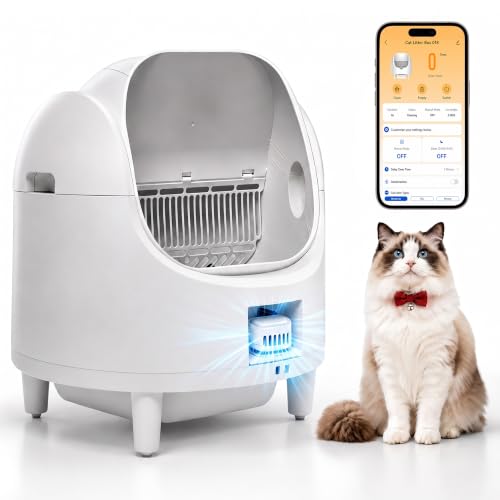

If you live in a small apartment or have limited floor space, finding a litter box that doesn’t dominate the room is a challenge. Traditional boxes can be bulky, while smart litter boxes often promise automation but take up even more room. That is why we evaluated the best space-saving smart litter boxes of 2026 that combine compact footprints with reliable self-cleaning technology. Whether you need a model for a single cat in a tiny studio or a multi-cat household where every inch matters, these picks offer efficient waste management without sacrificing comfort. For cats that need easier access, see our guide to low-entry smart litter boxes for senior and overweight cats.
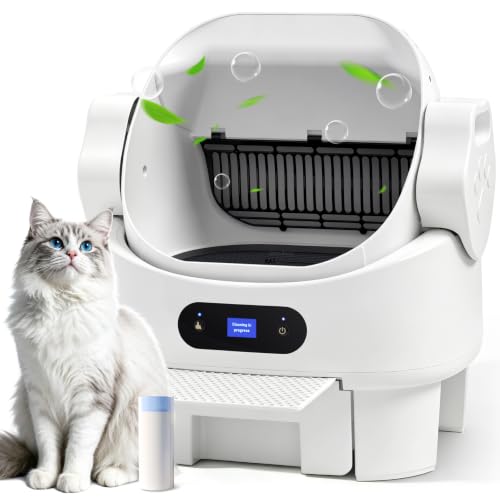

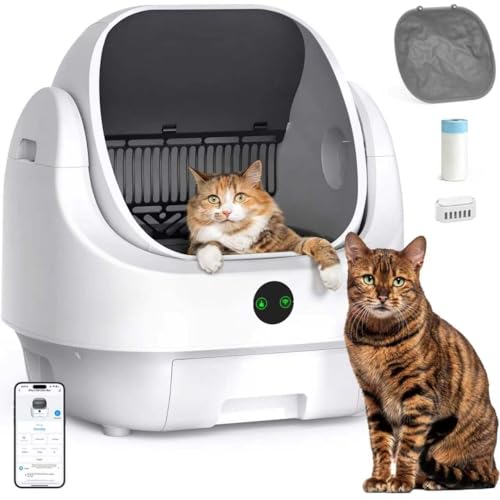

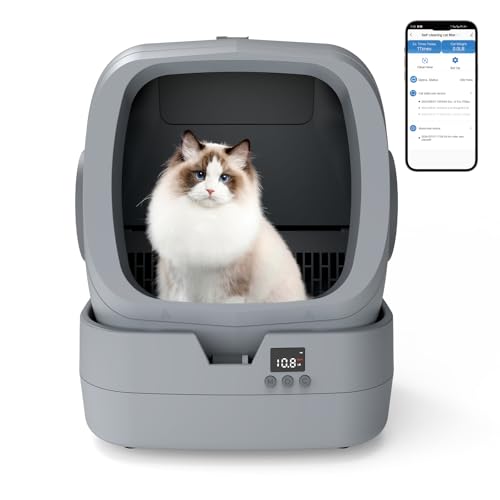
Buying Guide: What to Look for in a Space-Saving Smart Litter Box
Compact Dimensions and Minimal Footprint
When every square foot counts, the physical size of the litter box matters. Look for models with a narrow width and a height that fits under low furniture or in corners. The open-top designs in this guide are generally more streamlined than enclosed rotating drums. Measure your available space before purchasing and check that the unit’s operation does not require extra clearance for the cleaning mechanism. Many of the models we reviewed are under 20 inches in depth, making them suitable for tight spots.
Open-Top Design for Cat Acceptance
Space-saving does not mean confining your cat. Open-top litter boxes provide an unobstructed view and easy entry, which helps shy or anxious cats adjust quickly. The low-entry versions are especially helpful for kittens, seniors, or cats with mobility concerns. If you have a large breed, check the interior dimensions to ensure your cat can turn around comfortably. For more details on accommodating older felines, read our guide to smart litter boxes for elderly cats.
Noise Level and Discretion
In a compact home, a noisy litter box can disrupt your living space. Many smart boxes operate at 32 to 35 dB, similar to a quiet whisper or a refrigerator hum. Look for models that offer a silent cleaning cycle or a schedule that runs while you are away. Ultra-quiet operation is a top priority for small apartments where every sound carries.
Safety Sensors and Reliable Automation
Safety is non-negotiable, especially in a small space where your cat may brush against the unit frequently. Infrared sensors, weight detection, and motor current monitoring help prevent accidents during cleaning cycles. Some models also offer app connectivity for health tracking and cleaning alerts. For households with multiple cats, consider models with larger waste bins that can handle several days of waste without odor buildup. You can explore more multi-cat options in our multi-cat litter boxes collection.
Final Thoughts
After evaluating the top space-saving smart litter boxes, we recommend the OneBug Self Cleaning Open Top Automatic Multiple for its whisper-quiet 32 dB operation and straightforward no-app setup, making it ideal for those who want a fuss-free experience in a tight space. For cat owners who value app control and enhanced safety features, the HHOLOVE Self Cleaning Litter Box offers excellent sensor protection and a low-entry open top that suits senior or shy cats. Both models prove that you do not have to compromise on automation or comfort to save space in your home.
Related Guides
Frequently Asked Questions
How much space does a smart litter box need?
Most space-saving smart litter boxes measure around 20 inches wide and 22 inches deep. You should allocate at least a few inches of clearance on each side for ventilation and maintenance. Before buying, measure your intended spot and check the product dimensions.
Are open-top smart litter boxes better for cats?
Open-top designs give cats a clear view of their surroundings and allow easy entry and exit. They are often preferred by cats that dislike enclosed spaces. For anxious or elderly cats, an open top can reduce stress and encourage consistent use. Check out our smart litter boxes for cats with mobility issues for more tailored recommendations.
Do smart litter boxes require WiFi or an app?
Not all smart litter boxes need an app. Some models, like the OneBug and the otoging box, work with simple button controls and no WiFi. Others offer app connectivity for scheduling and health monitoring. Choose based on whether you prefer simplicity or data tracking.
How often should I empty the waste bin of a space-saving litter box?
For a single cat, many models can hold up to 10 days of waste. In multi-cat homes, you may need to empty the bin every 3 to 5 days. Always use clumping litter for best results and check the bin level regularly to prevent overflow.