

You love your cat, but you do not love scooping litter every single day. If your home is short on space or you simply want a cleaner, more convenient solution, a small self-cleaning litter box can be a game changer. These compact automatic boxes handle the dirty work while fitting neatly into tight corners. In this guide, we have reviewed five top-rated models that balance size, safety, and performance. Whether you have one cat or a multi-cat household, we aim to help you find the perfect match. If odor control is a top concern, check out our guide on self-cleaning litter boxes that control odor.



Buying Guide
Safety Sensors for Peace of Mind
Your cat’s safety should always come first. Look for models with multiple infrared or hall sensors that immediately pause the cleaning cycle when your cat enters. This prevents accidents and ensures your feline feels secure. The best self-cleaning litter boxes use advanced detection systems that resume only after your cat leaves, giving you confidence day and night.
Noise Levels Matter for Sensitive Cats
A quiet motor is essential, especially if your cat is easily startled or if the box is near your bedroom. Models that operate at around 32dB are nearly silent, allowing your cat to use the box without stress and keeping your home peaceful. For more insights, read our review of quiet self-cleaning litter boxes.
Capacity and Maintenance Frequency
Consider the waste container size relative to your cat count. A 10L to 15L bin can last up to 15 days for a single cat, reducing how often you need to empty it. Larger drums also hold more litter, making them ideal for multi-cat homes. Check compatibility with clumping or crystal litter for best results. Our multi-cat litter box guide offers more help.
Odor Control and Leak Protection
Effective odor management keeps your home fresh. Crystal litter absorbs urine and dehydrates solid waste, while disposable trays with plastic linings prevent leaks. Some models include deodorizing designs. For severe ammonia smells, see our article on self-cleaning litter boxes for ammonia odor.
Final Thoughts
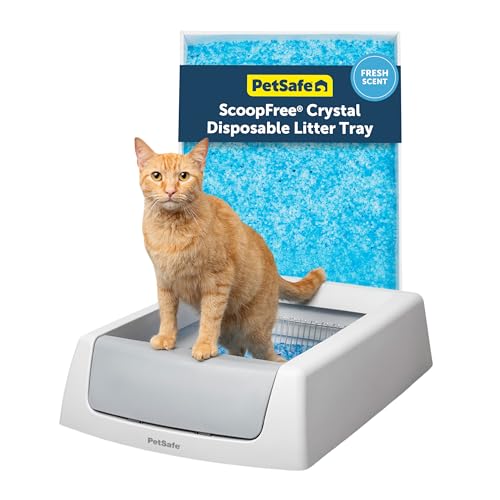
Choosing the right small self-cleaning litter box can transform your daily routine, saving you time and keeping your home odor-free. For a spacious, sensor-rich option that works well in multi-cat homes, the Mimfam Automatic Self Cleaning Litter Box stands out with its large waste capacity and quiet operation. If you prefer a simple, no-fuss solution with excellent odor control, the PetSafe ScoopFree Crystal Classic Self-Cleaning offers disposable trays and low-tracking crystals. Both models provide reliable performance and peace of mind for cat owners.
Related Guides
Frequently Asked Questions
How often should I empty a self-cleaning litter box?
Depending on the waste container size and number of cats, most models need emptying every 7 to 15 days. The Mimfam model, for instance, can go up to 10 days for a single cat. Always follow the manufacturer’s recommendations and check the bin regularly.
Are self-cleaning litter boxes safe for kittens?
Many are designed with safety sensors that stop the cleaning cycle when a cat enters. However, for very small kittens, some sensors may not detect them effectively. It is best to wait until your kitten is at least 8 to 10 weeks old and weighs over 3 pounds before introducing an automatic box. Always supervise initial use.
Do self-cleaning litter boxes work with clumping litter?
Most modern models are compatible with clumping litter, but some are optimized for crystal litter. For example, the PetSafe ScoopFree Crystal series works best with crystal litter to maximize odor control and leak protection. Always verify litter type recommendations before use.
What is the quietest self-cleaning litter box?
Models that operate at around 32dB, like the Mimfam and the Otoging self-cleaning litter box, are among the quietest available. For a deeper dive, check our roundup of best silent self-cleaning litter boxes for noise-sensitive cats.