

You love your cat, but scooping the litter box every day is a chore. The good news: self-cleaning litter boxes have become smarter and easier to maintain than ever. In this guide, we’ve reviewed five models that prioritize ease of cleaning, from simple roll-and-sift designs to advanced automatic systems with large waste bins. Whether you have a single cat or a multi-cat home, you’ll find a box that fits your routine. For more details on how these boxes compare, check out our Self-Cleaning Litter Boxes category page.



Buying Guide: What Makes a Self-Cleaning Litter Box Easy to Clean?
Waste Bin Capacity and Liner System
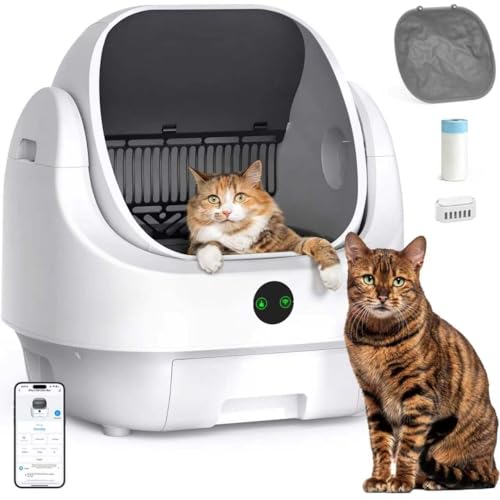
A large waste bin means fewer trips to the trash. Look for models with at least a 9L or 10L capacity, which can hold up to 10 days of waste for a single cat. Disposable liners make disposal even easier. The Mimfam Automatic Self Cleaning Litter Box and the Open-Top Automatic Litter Box both feature generous bins and liner compatibility, cutting down on messy contact.
Safety Sensors That Pause Cleaning
Ease of cleaning also means peace of mind. Infrared and weight sensors ensure the box only cleans when your cat is safely away. This feature prevents accidents and allows you to let the box run on its own. For a deeper look, read our article on best Self-Cleaning litter boxes with automatic safety pause.
Noise Level During Operation
A quiet motor is essential if the litter box is near living or sleeping areas. Models like the Mimfam and the otoging Self Cleaning Litter Box operate at around 32dB, which is whisper-quiet. Your cat won’t be startled, and you won’t be disturbed during the night.
Frequency of Maintenance
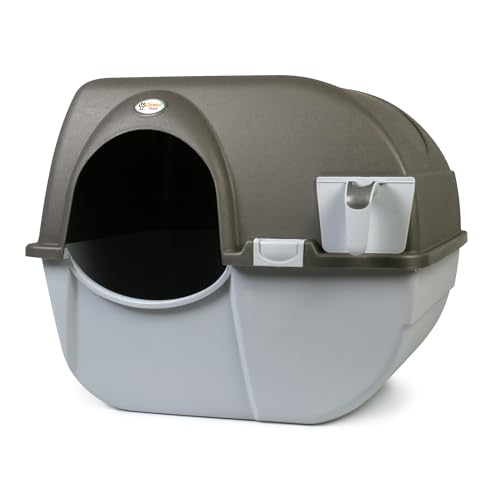
Some boxes require only a weekly emptying, while others need attention every few days. The best options for easy cleaning are those that combine a large waste bin with a reliable sifting or raking mechanism. The Omega Paw NRA15, for example, uses a simple roll-to-clean method that requires no electricity, making it incredibly low-maintenance. If you have multiple cats, consider models with higher capacity, like the Mimfam, which can go up to 10 days without scooping. Explore more in our Multi-Cat Litter Boxes guide.
Final Thoughts
After evaluating these five models, the Mimfam Automatic Self Cleaning Litter Box stands out for its large 10L waste bin, whisper-quiet operation, and comprehensive safety sensors, making it ideal for multi-cat homes that want minimal upkeep. For a budget-friendly, no-electricity option, the Omega Paw NRA15 Self Cleaning Litter Box Regular delivers reliable performance with its simple roll-and-sift design, perfect for kittens and cats under 10 pounds. Both options prioritize ease of cleaning, so you can spend more time with your feline friend and less time on chores.
Related Guides
Frequently Asked Questions
How often should I empty a self-cleaning litter box?
It depends on the waste bin size and how many cats you have. Most models with a 9L to 10L bin need emptying every 5 to 10 days for a single cat. For multi-cat households, you may need to empty it every 3 to 5 days. Always check the manufacturer’s recommendations.
Are self-cleaning litter boxes safe for kittens?
Yes, but only if the box has reliable safety sensors that pause cleaning when a cat enters. Models with multiple infrared or weight sensors, like those reviewed in our Best Self-Cleaning Litter Boxes with Multiple Safety Sensors, are safe for kittens. Avoid older designs without sensors.
Can I use any type of litter in a self-cleaning litter box?
Most self-cleaning boxes require clumping litter to separate waste effectively. Non-clumping litters, crystals, or pellet litters may not work well and can clog the mechanism. Always use a high-quality clumping litter for best results.
Do self-cleaning litter boxes work for large cats?
Many modern designs have open-top or spacious entry points to accommodate larger cats. The Mimfam and Ellenpent models feature generous openings. For cats over 10 pounds, check the weight limit and interior dimensions before buying.