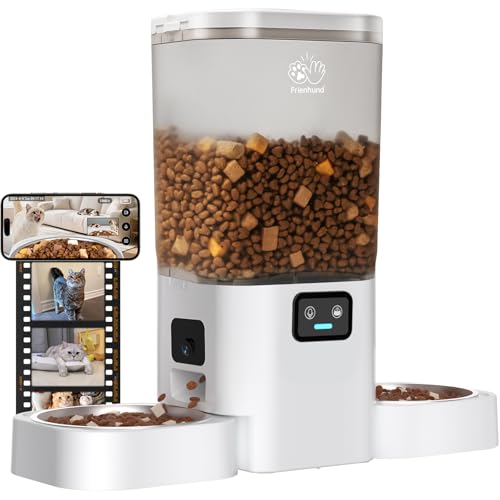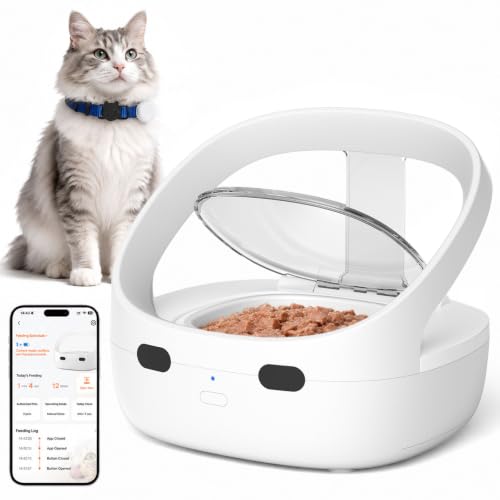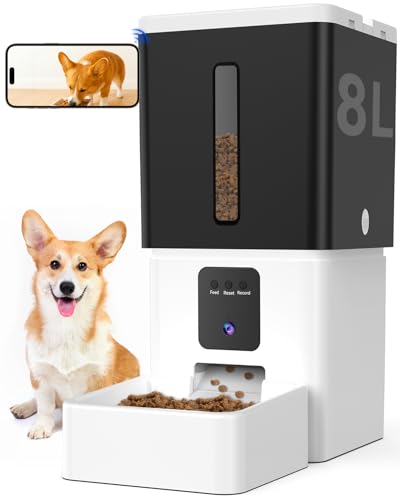

If you have multiple cats or dogs with different dietary needs, mealtime can become a battle. One pet may need prescription food for kidney health, while another requires weight management kibble. Without supervision, food stealing and mix ups can derail your careful meal plans. That is where RFID feeders step in. These smart devices use collar tags to recognize each pet and only open for the designated animal, ensuring every meal stays secure.
For a broader look, see our roundup of the best RFID feeders for multiple pets.
Product Comparison



Buying Guide
RFID Recognition and Anti-Stealing Mechanism
The core of any RFID feeder is its ability to correctly identify each pet. Look for models that use lightweight collar tags and a sensor that unlocks the lid only for the assigned pet. Some feeders also feature a retractable bowl or shield that retracts if an unregistered animal approaches. This is essential for homes where pets have strict prescription diets. For more on how these systems compare, check out our best RFID Multi-Pet feeders guide.
Diet Tracking and App Features
Managing different diets becomes easier when the feeder tracks each pet’s eating habits. Many RFID feeders sync with a mobile app that logs meal times, portions, and even alerts you if a pet hasn’t eaten. This data helps you adjust feeding plans for weight control or medication schedules. If you want app-connected options, see our best smart feeders for mixed pet homes list.
Capacity and Power Backup
Consider the food capacity based on your pet’s feeding frequency and how often you want to refill. Larger tanks (around 3 liters) suit single cats or small dogs, while multi-pet households may need separate units or larger bins. Power backup is also vital; a battery backup ensures your pet still gets fed during outages. For more capacity options, browse our best automatic feeders for mixed pet homes roundup.
Ease of Cleaning and Freshness
Since you may feed wet or dry food, choose a feeder with removable, dishwasher-safe bowls and an airtight seal. Stainless steel bowls resist bacteria and are easy to clean. Some models include desiccant packs and sealed lids to keep kibble crunchy. Regular cleaning prevents cross contamination between different diets.
Final Thoughts
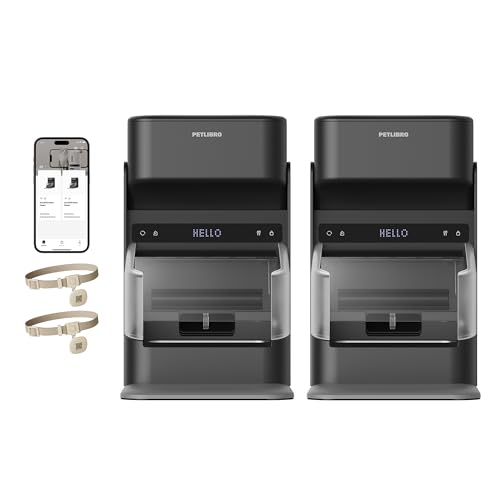
After evaluating the top contenders, the PETLIBRO Automatic Cat Feeders for 2 Cats stands out for households with two cats needing individualized feeding plans and real-time tracking, while the HEAPETS RFID Automatic Cat Feeder with Collar offers a reliable, budget-friendly solution that supports wet or dry food with an airtight lid. Both options solve the challenge of managing different diets in multi-pet homes.
Related Guides
- Top RFID Feeders for Individual Pet Feeding
- Multi Pet Feeder vs Single Pet Feeder
- Automatic Feeder vs Microchip Feeder
Frequently Asked Questions
How do RFID feeders work for different diets?
Each pet wears a lightweight RFID collar tag. The feeder’s sensor reads the tag and unlocks the lid only for that specific pet, preventing others from accessing the food. This allows you to fill each feeder with the appropriate diet, whether it’s prescription, weight control, or regular kibble, and ensure only the intended pet eats it.
Can I use RFID feeders with wet food?
Yes, many RFID feeders come with sealed lids and stainless steel bowls that are safe for wet food. However, you should not leave wet food out for extended periods. Some models like the HEAPETS feeder include a retractable bowl that keeps wet food fresh until the pet approaches. For more details, see our best feeders for two cats and two dogs article.
Are RFID feeders suitable for dogs as well?
Most RFID feeders designed for cats can also accommodate small dogs, especially if the bowl is large enough. The collar tag needs to fit the dog’s collar, and the feeder should be stable enough not to tip over. For larger dogs, look for models with bigger capacity and sturdy construction.
Do I need WiFi for RFID feeders to work?
RFID recognition itself does not require WiFi; it uses radio frequency between the tag and the feeder. However, some feeders offer WiFi connectivity for app features like diet tracking, scheduling, and alerts. You can still use the feeder manually without WiFi if needed.