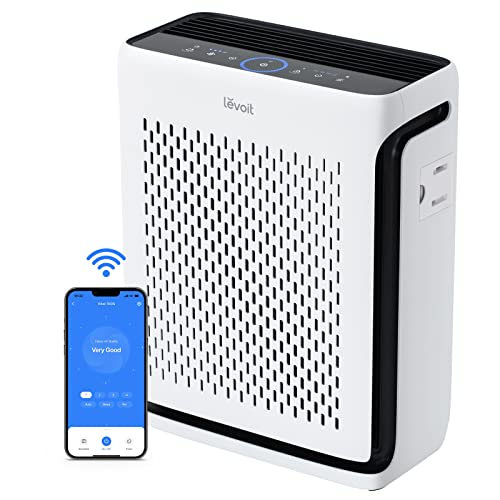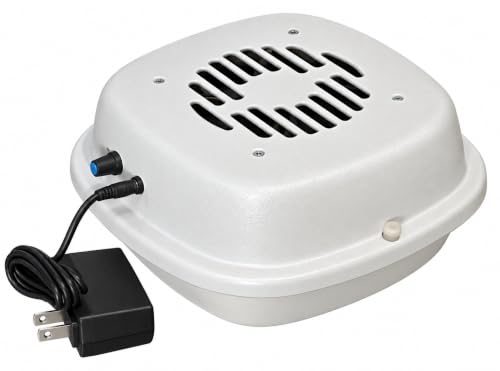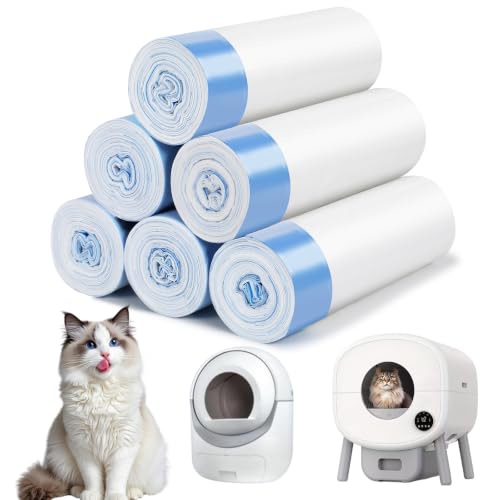

Opening your front door to guests should never be a gamble with your cat’s litter box odors. If you have a covered or automatic litter system, you already know that standard air fresheners can’t compete with the source. That’s where dedicated litter box air filters come in. These replacements, often made from activated charcoal or carbon, trap and neutralize odors right at the vent, so your home stays fresh between scooping sessions. In this guide, we’ve reviewed four top-performing options to help you choose the best filter for your setup and your nose.
The key to a consistently clean-smelling space isn’t just covering up smells but removing them. For deeper cleaning strategies, you might also explore our guide on the best litter box cleaning tools for hard-to-reach areas to tackle hidden messes.


Buying Guide
Filter Size and Compatibility
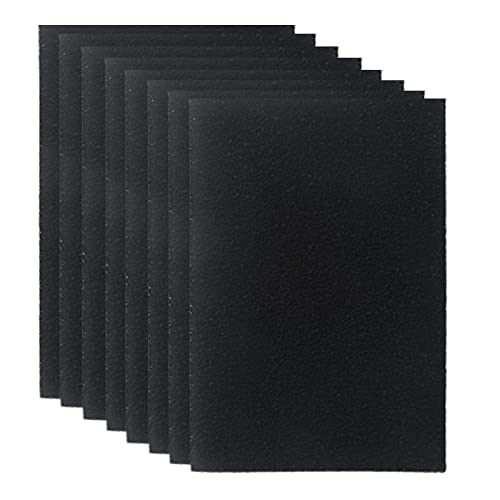
The most important factor is whether the filter fits your specific litter box model. Many covered boxes use standard sizes like 4.5 x 6.5 inches, but dimensions can vary. The MEDUWEDU 10-Pack offers multiple sizes in one package, giving you flexibility if you own different brands. Always measure your existing filter slot before buying, because a loose fit means air bypasses the filter entirely.
If you have a Van Ness brand box, both the GZJoSum 8Pack and Lubise 8 Packs are molded for a precise, gap-free fit. Confirming compatibility upfront saves you the hassle of returns and keeps odors trapped where they belong.
Material and Odor Absorption Power
Activated carbon and charcoal are the workhorses here. They have a vast surface area that traps ammonia and other smelly molecules. Look for filters made with high-density carbon or coconut shell activated carbon, which offer superior adsorption. The PurifyLogix 12 Pack uses coconut shell carbon with a high iodine value, meaning it can capture more odor particles per square inch. Thicker pads with more carbon granules generally last longer and work better in multi-cat homes.
Number of Filters and Replacement Cycle
Most manufacturers recommend swapping the filter once a month for optimal performance. Buying a multi-pack ensures you have replacements on hand without recurring trips to the store. The MEDUWEDU includes 10 pads, while the PurifyLogix offers 12, giving you nearly a year of odor control per purchase. For persistent odors, consider pairing your filter with a high-quality odor filter for your preferred litter box for layered protection.
Ease of Installation and Maintenance
Filter changes should be quick and tool-free. All four products reviewed here install in seconds: lift the lid, remove the old used filter, and slide the new one into place. Avoid filters that require cutting or taping unless you specifically need that custom fit. The Lubise and GZJoSum filters are ready to drop in with no trimming, making them ideal for busy pet owners who want hassle-free maintenance.
Final Thoughts
Whether you need a budget-friendly bulk option or a premium filter with high absorption capacity, there’s a perfect match here to banish litter box smells for good. For most homes, the MEDUWEDU 10-Pack 4.5″ x 6.5″ Carbon Filter Pads offer excellent value and versatility across different box brands, while the PurifyLogix 12 Pack Universal Odor Eliminator stands out with its powerful coconut shell activated carbon for households needing maximum odor-stopping power. Swap your filter monthly, and your home will smell fresh without harsh chemicals.
Related Guides
Frequently Asked Questions
How often should I replace my litter box air filter?
Most manufacturers recommend replacing your filter every month for best odor control. With a 12-pack like the PurifyLogix, that covers a full year. If you have multiple cats, consider changing it every three weeks for optimal freshness.
Can I wash and reuse carbon filters?
No, carbon and charcoal filters are not washable. Water damages the porous structure that traps odors. Once saturated, usually after a month, you need to install a fresh replacement to keep the air clean.
Will a filter work with any covered litter box?
Not always. While standard sizes like 4.5″ x 6.5″ fit many hooded boxes, some brands like Van Ness have slightly different dimensions. Always check your box’s slot size and compare it to the filter dimensions listed in our buying guide to ensure a proper seal.
How do I know when a filter is no longer effective?
If you begin to notice urine or feces odors near the litter box area despite regular scooping, your filter is likely saturated. You can also do a sniff test near the vent. Replace it monthly to avoid this. For more tips on maintaining a fresh litter area, see our best litter box cleaning tools guide.