
You know the struggle: you measure out the perfect portion of kibble, but your pet still manages to sneak extra meals or beg for treats between feedings. For weight-controlled pets, consistency is everything. A single extra scoop each day can pack on pounds over months, leading to health issues like joint strain or diabetes. That’s why automatic feeders with precise portion control are a game changer. They take the guesswork out of feeding, ensuring your pet gets the right amount at the right time, even when you’re not home.
This guide reviews the best feeders for weight-controlled pets in 2026. We’ve evaluated five top models from brands like PETLIBRO, Minikey, ANDOLL HOME, and TYM, focusing on programmable schedules, portion accuracy, freshness features, and ease of use. Whether you have a cat on a diet or a small dog that needs measured meals, you’ll find a feeder that fits your routine. If you’re also dealing with multiple pets stealing food, check out our guide on feeders that prevent food stealing for additional solutions.


Buying Guide: What to Look for in a Feeder for Weight Control
Portion Accuracy and Adjustability
The most critical feature for weight management is the ability to set precise portions. Look for feeders that let you adjust serving sizes in small increments (like 1 portion = 2.5 teaspoons or 10 grams). Models with a wide range, from 1 to 50 portions per meal, give you flexibility for different pet sizes. Some feeders allow up to 10 meals per day, which is ideal for pets that need small, frequent meals to boost metabolism. Always check if the portion size is consistent; reviews and user feedback can reveal if a feeder tends to over- or under-dispense.
Freshness and Food Preservation
Dry kibble can lose its crunch and flavor when exposed to air and moisture. A good feeder will have a sealed lid, a desiccant compartment, and a secure rotor mechanism to keep food fresh. Stale food is less appealing and can even harbor bacteria. For weight-controlled pets, you want every meal to be as nutritious as the first scoop. Many feeders now include twist-lock lids and sealing strips that prevent pests and humidity from ruining the food. If you travel often, consider a model with a large capacity and airtight design.
Smart Features and Monitoring
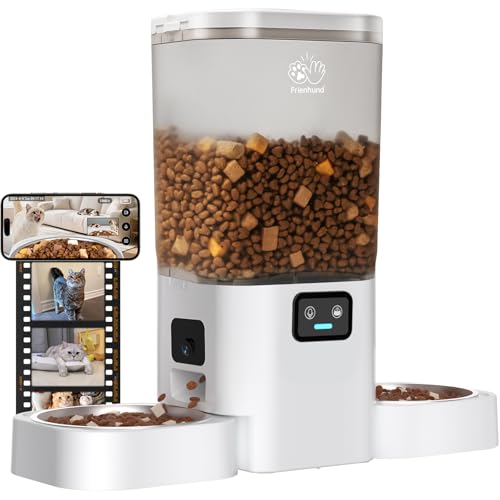
WiFi-enabled feeders let you adjust schedules, check feeding logs, and receive notifications from your phone. Some even include built-in cameras and AI monitoring that track your pet’s activity and alert you to changes in eating habits, a huge plus for weight management. Being able to see exactly how much your pet ate (or didn’t eat) helps you fine-tune portions. For more on connected feeders, visit our Smart & WiFi Feeders category.
Power Backup and Reliability
A feeder that stops working during a power outage can disrupt your pet’s diet. Look for models with dual power options, AC adapter plus battery backup. Batteries should last at least a few weeks to cover extended outages. Also consider anti-jam mechanisms: infrared sensors that stop dispensing if the outlet is blocked, preventing overfeeding or mechanical failure. A reliable feeder gives you peace of mind that your pet’s meal schedule won’t be broken.
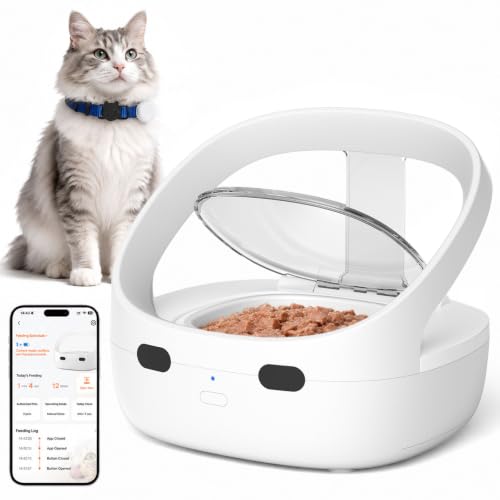
If you have multiple pets that need individual diets, you might also explore individual access feeders that use RFID or microchip recognition to ensure each pet eats only their own food.
Final Thoughts
After assessing these five feeders, we recommend the PETLIBRO Automatic Cat Feeder for its reliable portion control and infrared anti-jam safety, making it a solid choice for weight-conscious pet owners who want straightforward programming. For those who prefer remote monitoring and a camera to check in on their pet’s eating habits, the Automatic Cat Feeder with 2K Camera from Minikey offers app-based control and AI alerts that help you track your pet’s activity and food intake. Both models support precise meal scheduling and freshness features, ensuring your pet stays on track with their weight goals.
Frequently Asked Questions
How many meals per day should I feed my weight-controlled pet?
Most veterinarians recommend two to three scheduled meals per day for adult pets, but some benefit from smaller, more frequent feedings. Automatic feeders let you set up to 10 meals per day, which can help manage hunger and prevent overeating. Always consult your vet for a plan tailored to your pet’s breed, age, and activity level.
Can I use these feeders for both cats and small dogs?
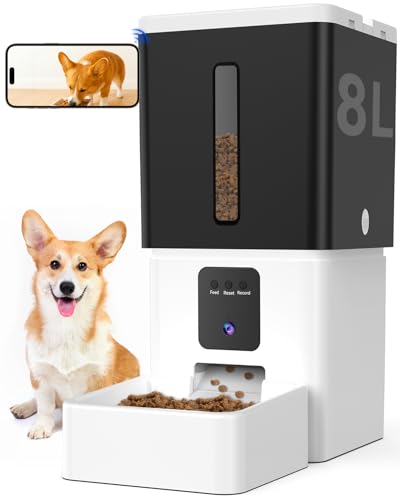
Yes, many feeders in this list are designed for both cats and small dogs. Look for adjustable portion sizes and bowl height. For larger dogs, you may need a feeder with a larger capacity and sturdier build. The PETLIBRO and Minikey models work well for small breeds and cats.
Do WiFi feeders require a subscription for monitoring?
Some feeders offer free app access with basic scheduling and logs, while advanced AI features like activity alerts and cloud storage may require a subscription. For example, the Minikey feeder includes a free 7-day trial of its AI Sentinel service. Check the product details before purchasing to understand any ongoing costs.
How do I clean an automatic feeder to keep it hygienic?
Most feeders have detachable food tanks and stainless steel bowls that are dishwasher-safe. Wipe down the rotor and sealing areas with a damp cloth. Regular cleaning prevents buildup of oils and bacteria that could affect your pet’s health. For more tips, see our guide on automatic feeders maintenance.