

Picture this: you rush home after a long day of meetings, deadlines, and coffee runs. The last thing you want is to scoop clumped litter or fight with a stuck rake. You need a solution that handles the mess while you handle your career. That is where automatic litter boxes come in. We have validated five top models that promise to keep your cat cleanup stress-free and your home fresh. Whether you travel often or just want one less chore, this guide helps you choose the right automated assistant for your feline friend. For more travel-friendly options, check out our recommendations for weekend trips.



Buying Guide
Safety Sensors That Truly Protect Your Cat
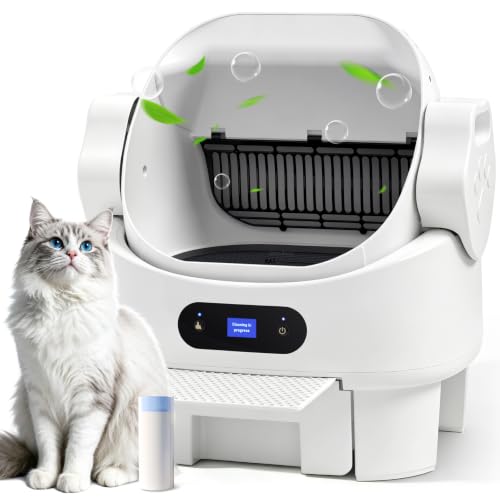
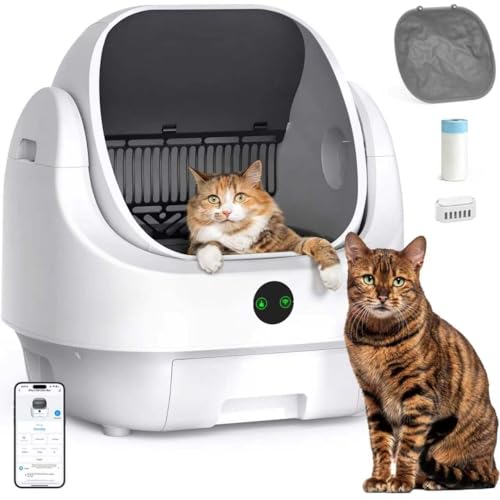
When you are not home, your cat must be safe from moving parts inside the litter box. Look for models with multiple infrared sensors, hall sensors, and weight detection that pause the cleaning cycle the moment your cat steps inside. Some units even use microwave radar for extra awareness. The Mimfam and OneBug models we reviewed both offer multi-layer protection. For a deeper look at safety features, see our hands-free litter box review.
Noise Level: Keep Your Peace
Busy professionals often work late or sleep lightly. A loud litter box can disrupt your rest or scare your cat. All the products we chose operate around 32 dB, which is quieter than a whisper. Low noise means the box can clean during the night without waking you. It also keeps nervous cats calm.
Waste Capacity and Maintenance Frequency
With a packed schedule, you want a waste bin that lasts days or even a week. Models with 9L to 10L containers reduce emptying to once every 10 days for a single cat. Multi-cat households should aim for even larger bins. The Fumoi offers a 15L compartment, ideal for multiple felines. For similar advice, browse our self-cleaning litter box category.
Ease of Setup and Daily Operation
You do not want to spend hours assembling or troubleshooting. Some models arrive fully assembled and only need power and litter. Others require attaching legs or connecting to an app. If you prefer no app, the Otoging and OneBug units work with a simple button press. App-controlled models like the Ellenpent and Fumoi offer remote monitoring, but they require 2.4 GHz Wi-Fi. Choose according to your comfort with technology. For more low-maintenance picks, visit our guide to low-maintenance cat care.
Final Thoughts
After evaluating these five automatic litter boxes, we believe the Mimfam Automatic Self Cleaning Litter Box delivers outstanding value with its spacious top entry and whisper-quiet 32 dB operation, making it a perfect fit for professionals who want a cost-effective solution. For those who prioritize app control and advanced odor management, the Open-Top Automatic Litter Box, Odor Control by Ellenpent offers a sealed waste compartment and real-time monitoring. Both models handle multi-cat households and reduce daily scooping drastically, giving you back precious time each day.
Related Guides
Frequently Asked Questions
Do automatic litter boxes work for multiple cats?
Yes, many of the models we reviewed are designed for multi-cat homes. Look for large waste bins (10L or more) and safety sensors that can handle frequent visits. The Mimfam and Fumoi are particularly well suited. For more details, see our multi-cat litter box page.
How often do I need to empty the waste bin?
For a single cat, most bins last 7 to 10 days before needing attention. Frequent cleaning of sensors and occasional deep cleaning of the drum will keep the system running smoothly. Always follow the manufacturer’s guidance for best results.
Are automatic litter boxes safe for kittens?
Many models include safety sensors that pause when a cat enters the moving drum, but kittens under 8 weeks old may be too small to trigger these sensors reliably. We recommend waiting until your kitten is at least 3 months old before introducing an automatic box, and always supervise early use.
Can I use any type of litter in these boxes?
Most automatic litter boxes work best with clumping clay or mineral litters that form solid waste balls. Avoid silica gel crystals or very lightweight natural litters, as they may not trigger the cleaning mechanism properly or could clog the waste container.