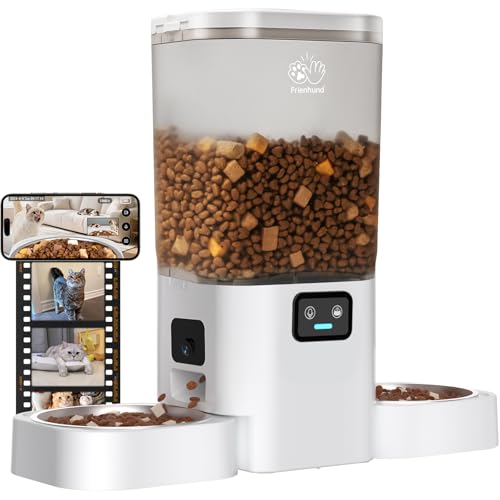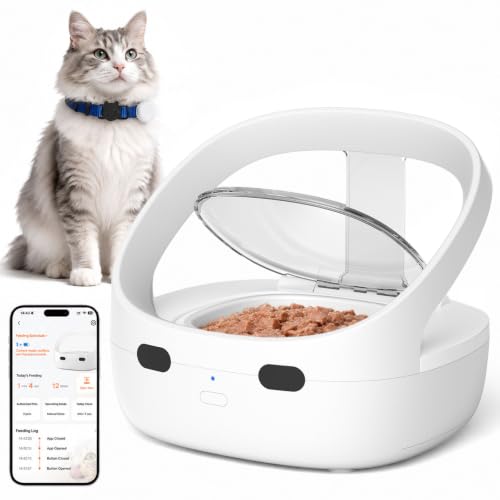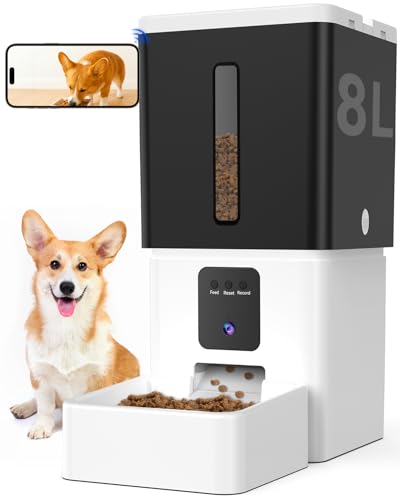

Picture this: you are running late for work, and your indoor dog is giving you that expectant look by the empty bowl. An automatic food dispenser can turn that daily stress into a simple routine. Whether you need a reliable gravity feeder for quick refills or a programmable timed model for portion control, we have evaluated the best options for indoor dogs in 2026. In this guide, we highlight five standout feeders that combine durability, ease of use, and smart design. You will also find a practical buying guide to help you choose the right one for your home. For more insights on scheduling meals, check out our best dog feeders for automatic meal scheduling recommendations.


Buying Guide
Capacity: Matching Your Dog’s Needs
The size of the food dispenser matters, especially for indoor dogs that rely solely on the feeder for meals. Small dogs may do fine with a 3.3L capacity that lasts days, while larger breeds benefit from 8L tanks that can hold weeks of kibble. Consider your dog’s daily portion and how often you want to refill. Our dog feeders category has more options for various sizes.
Feeding Mechanism: Gravity vs. Timed
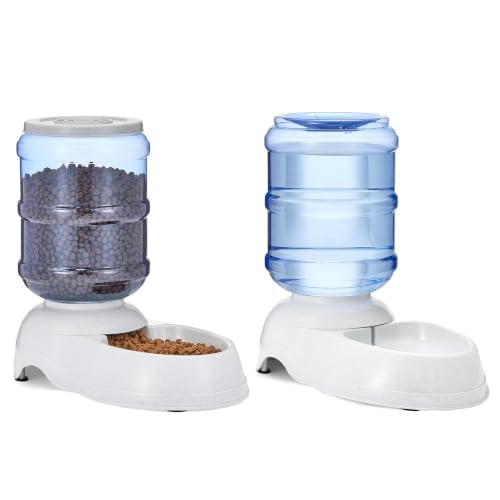
Gravity feeders are simple, non-electric dispensers that use the weight of food to fill the bowl as needed. They work well for free-feeding dogs that self-regulate. Timed feeders, on the other hand, allow you to schedule specific meals and portion sizes. For dogs that need strict meal times or are on a diet, a programmable model offers precise control. Both types have their place, so choose based on your dog’s habits.
Ease of Cleaning and Maintenance
A dispenser that is easy to disassemble and clean helps prevent bacteria build‑up and keeps food fresh. Look for removable bowls (stainless steel is best), food hoppers that can be washed by hand, and a simple locking mechanism. Some models include desiccant compartments to keep kibble crisp. A quick rinse and dry routine will extend the life of the feeder and protect your dog’s health.
Power Options and Backup
Timed feeders need electricity, so dual power supply (AC adapter and battery backup) is a must to avoid missed meals during outages. Gravity feeders require no power, making them foolproof but less flexible. Think about your home’s power reliability and whether you travel often. For more tips, browse our automatic feeders resource page.
Final Thoughts
After assessing the top automatic food dispensers for indoor dogs, our recommendation goes to the Wefeedy Automatic Cat Feeder and Water Dispenser for pet owners who want a no‑fuss, gravity‑fed combo that works for smaller dogs and requires no electricity. For those with larger indoor dogs or who need precise scheduling, the Automatic Dog Feeder – 8L/34 Cups Large Capacity offers an impressive capacity, customizable portions up to six meals daily, and a reliable dual‑power system. Whichever you choose, these feeders bring peace of mind and consistent feeding to your furry friend.
Frequently Asked Questions
How do I choose the right size automatic food dispenser for my indoor dog?
Consider your dog’s daily food intake and how often you want to refill. For a small indoor dog, a 3.3L dispenser may last several days. A large breed or multi‑dog household may require an 8L capacity to avoid constant refills. Always measure your dog’s kibble consumption per day and multiply by the number of days you need between refills.
Can automatic food dispensers handle different kibble sizes?
Most gravity and timed feeders work best with dry kibble up to about 18mm in size. Larger or irregularly shaped pieces may jam the mechanism. Always check the manufacturer’s recommendation, and avoid using wet or semi‑moist food in these dispensers. Models with anti‑jamming designs, like the Nityers feeder, are more forgiving.
Are gravity feeders better than timed feeders for indoor dogs?
Gravity feeders are simpler, require no power, and allow dogs to eat whenever they want. Timed feeders offer portion control and scheduled meals, which can prevent overeating and help with weight management. It depends on your dog’s eating habits – free‑feeders do well with gravity, while strict schedules suit timed models. For a detailed comparison, see our automatic meal scheduling guide.
Do automatic food dispensers need to be cleaned often?
Yes, regular cleaning is important to prevent bacteria and mold. Most manufacturers recommend hand‑washing removable parts every one to two weeks. Stainless steel bowls are easier to keep sanitary than plastic. Look for feeders with fully detachable hoppers and bowls for easy cleaning.