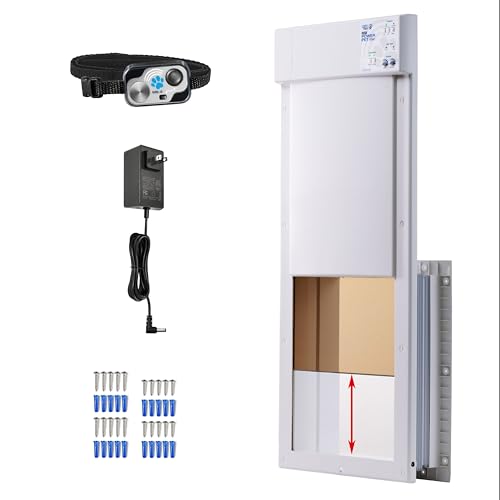

Your cat meows at the back door, and as you let her in, a stray kitten darts inside, too. If this sounds familiar, you are ready for a smart pet door that grants access only to your furry family member. Two popular technologies dominate the market: microchip-reading doors and RFID collar-activated doors. Both keep out unwanted animals, but they work differently. In this guide, we compare the top models from SureFlap and CUIBIRD to help you decide which system fits your home and your cat’s lifestyle. For more context on how different pet doors work, check out our Pet Tech Guides.


Buying Guide: What to Consider When Choosing an RFID or Microchip Pet Door
Reading Method: Implanted Microchip vs. Collar RFID Tag
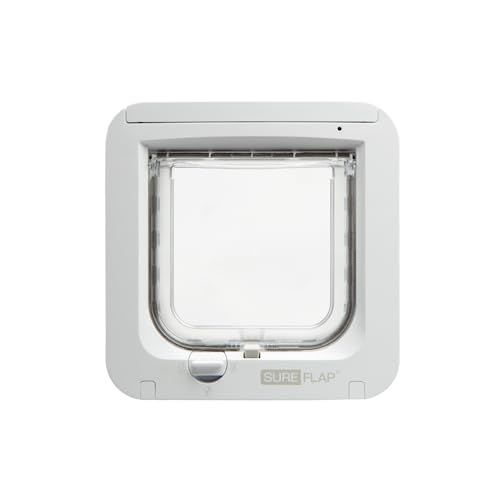
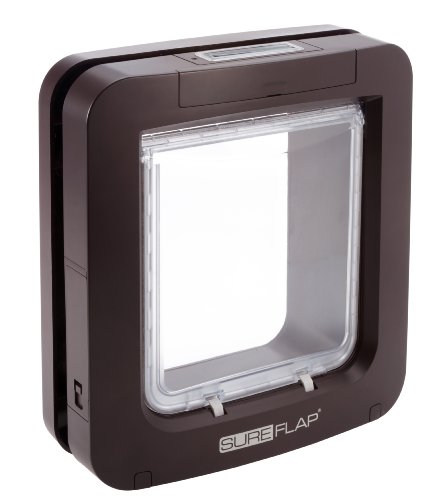
Microchip doors like the SureFlap models scan your pet’s existing ID microchip (implanted under the skin). No collar needed. This is ideal for cats who hate wearing collars or for multi-pet homes where each animal already has a chip. Collar RFID doors, such as the CUIBIRD Smart Door, rely on a small tag on the cat’s collar. If your cat loses the collar, the door may not open. However, collar tags are easy to replace and can be used with pets who are not microchipped. For a deeper dive into these technologies, see our Comparisons category.
Security and Selective Entry
Both systems provide selective entry, but microchip doors are generally considered more secure because the chip cannot be lost or transferred. The SureFlap DualScan even lets you set exit permissions: keep a cat indoors while letting others out. Collar-based doors are slightly less foolproof if a stray gets hold of a dropped tag, but they remain a solid option for indoor doors where the risk is lower.
Ease of Installation and Programming
Most microchip doors require cutting a hole in an exterior door, wall, or window. The SureFlap models come with templates and can be installed with basic tools. The CUIBIRD Smart Door is designed for interior doors only and is easier to fit. Programming is straightforward: the SureFlap learns up to 32 chip numbers with a single button press, while the CUIBIRD comes with four preprogrammed collar keys.
Size and Fit for Your Pet
Check the flap opening dimensions. The SureFlap Microchip Cat Flap has a small opening (4 3/4″ x 5 5/8″) suitable for most cats. The SureFlap Microchip Pet Door in brown offers a larger flap (6 11/16″ x 7″) for small dog breeds or larger cats. The CUIBIRD door is sized for standard interior doors and works for cats of all sizes. Measure your pet’s height and width before buying.
Final Thoughts
If your cat already has a microchip and you want maximum security for an exterior door, the SureFlap – Sure Petcare Microchip Cat Flap, White is a proven, reliable choice with a three-year warranty. For indoor use, such as controlling access to a litter box room or feeding area, the Smart Cat Door with 4 Collar Sensor Key from CUIBIRD offers an affordable, easy-to-install solution that lets you manage multiple pets with separate collar tags.
Related Guides
- High Tech Pet Door vs Microchip Pet Door
- Smart Pet Door vs Electronic Pet Door
- 5 Best Electronic Dog Door Reviews for 2026: Secure Access for Your Pet
Frequently Asked Questions
Can I use a microchip door if my cat doesn’t have a microchip? Yes, brands like SureFlap sell programmable collar tags that work with their door when a cat has no chip. The door reads both the chip and the tag.
Are RFID collars safe for cats? Modern RFID tags are lightweight and passive (no battery), so they are safe for daily wear. Ensure the collar has a breakaway feature to prevent accidents.
How long do batteries last in these pet doors? The SureFlap models run on four AA or C alkaline batteries for up to 12 months. The CUIBIRD door also uses standard batteries. Low battery indicators alert you before they die.
Will a microchip door work if my cat’s microchip is old? SureFlap doors are compatible with most common 9, 10, and 15 digit microchips. If unsure, check with your vet. The door scans the chip on entry only, so the chip must be readable from a short distance.