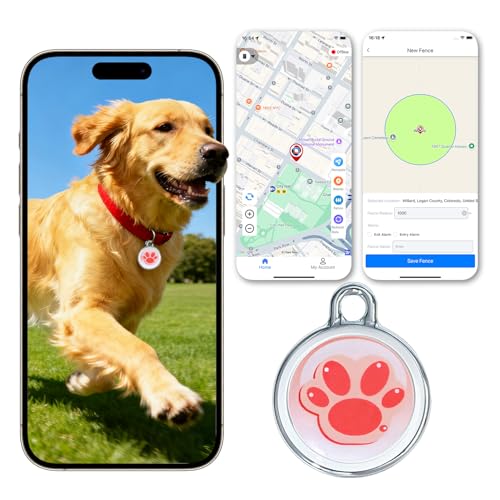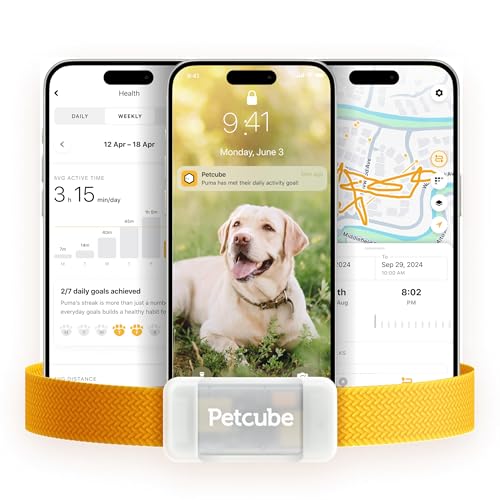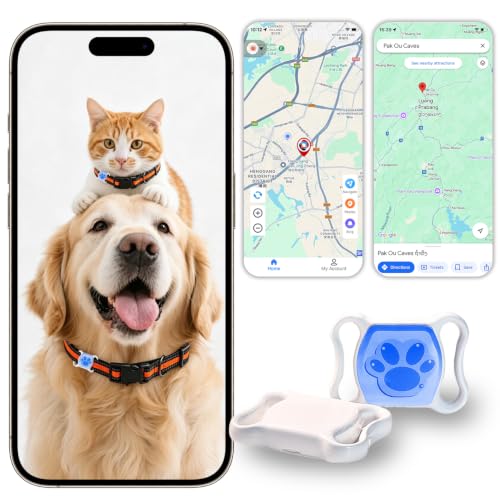

You have lost your keys for the third time this month, or maybe your luggage went missing during a layover. In moments like these, a tracking device can be a lifesaver. But which one should you choose: a traditional GPS tracker that uses cellular networks, or a Samsung SmartTag that relies on Bluetooth and Ultra-Wideband (UWB)? This guide breaks down the differences between GPS trackers and Samsung SmartTags, focusing on the latest SmartTag2 models. We will help you decide based on your specific needs, whether you are a Samsung Galaxy user or someone looking for a versatile tracker.



Buying Guide: Key Factors to Consider
Tracking Technology: Bluetooth vs Cellular GPS
The core difference lies in how each device communicates. GPS trackers use cellular networks (like 4G LTE) to report location from anywhere with cell coverage, making them ideal for long‑range tracking, such as for vehicles or pets that wander far. Samsung SmartTags, on the other hand, use Bluetooth and UWB for short‑range location (up to about 120 meters) and rely on the Galaxy device crowd‑finding network for remote updates. If you stay within the Samsung ecosystem, the SmartTag’s network is vast and free, but it is not real‑time like a GPS tracker.
Battery Life and Maintenance
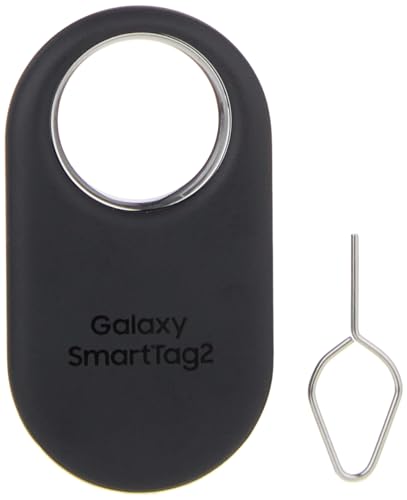
Battery longevity is a major deciding factor. GPS trackers often need recharging every few days to weeks, especially if they transmit location frequently. Samsung SmartTag2 models boast up to 500 days of battery life (or 700 days in power saving mode) using a replaceable CR2032 coin cell. The MaiLv Bluetooth Tracker also offers a 365‑day battery life with a replaceable battery. For users who do not want to worry about constant charging, the SmartTag is the clear winner.
Compatibility and Ecosystem
GPS trackers are generally platform‑agnostic, they work with both Android and iOS via dedicated apps. Samsung SmartTags, however, are exclusively compatible with Galaxy smartphones and tablets running Android 11 or later. If you own a Samsung device, the SmartTag integrates seamlessly with SmartThings Find, offering features like Compass View and IoT device control. For non‑Samsung users, a GPS tracker or a universal Bluetooth tracker like Tile might be a better fit.
Water and Dust Resistance
Durability matters when you attach a tracker to keys, backpacks, or pet collars. The Samsung SmartTag2 and the MaiLv tracker both carry an IP67 rating, meaning they are dust‑tight and can survive immersion in up to 1 meter of water for 30 minutes. Many GPS trackers have similar or better ratings, but always check the specific model. For everyday carry, either option holds up well against rain or accidental splashes.
Final Thoughts
After weighing the pros and cons, your choice comes down to your primary use case and device ecosystem. If you are a Samsung Galaxy user and need a long‑lasting, affordable tracker for items that stay within Bluetooth range (keys, wallet, backpack), the Samsung SmartTag2 (2023) Bluetooth + UWB offers excellent value and a vast crowd‑finding network. For those who require real‑time, long‑distance tracking, such as for a pet that roams far or a vehicle, a dedicated GPS tracker with cellular connectivity is the better route, though it comes with a subscription fee. Meanwhile, the Bluetooth Tracker for Samsung 2 Pack from MaiLv provides a budget‑friendly alternative for Samsung users who want multiple tags without paying the premium for the official brand. No matter which you pick, you will gain peace of mind knowing your valuables are easier to find.
Related Guides
Frequently Asked Questions
Can a Samsung SmartTag work without a Samsung phone?
No, Samsung SmartTags are designed exclusively for Galaxy smartphones and tablets. They require the SmartThings Find app, which is only available on Samsung devices. For non‑Samsung users, consider a universal Bluetooth tracker like Tile or a GPS tracker.
What is the range of a Samsung SmartTag2 compared to a GPS tracker?
The SmartTag2 has a Bluetooth range of about 120 meters (400 feet) in open air. GPS trackers can report location from anywhere with cellular coverage, often miles away. However, the SmartTag leverages the Galaxy crowd‑finding network to update location when out of Bluetooth range, as long as another Galaxy device passes by.
Do GPS trackers require a monthly subscription?
Many GPS trackers require a monthly or annual subscription for cellular data access. Samsung SmartTags and Bluetooth trackers like the MaiLv have no monthly fees, they use free Bluetooth and the existing Galaxy network. This makes SmartTags more cost‑effective over time.
Which is better for tracking a pet: GPS tracker or Samsung SmartTag?
For a pet that stays close to home, a Samsung SmartTag attached to the collar can help you find them within Bluetooth range. For a pet that roams far, a dedicated GPS tracker with real‑time cellular tracking is more reliable. The SmartTag’s crowd‑finding network can help if your pet wanders near other Galaxy users, but it is not guaranteed.